
Can Dogs Eat Pig Hearts?
If you’ve been exploring raw feeding or homemade dog meals, you may have wondered: can dogs eat pig hearts? The short answer is yes—pig hearts are safe and highly nutritious for most dogs when prepared correctly and fed in moderation.
In this guide, we’ll break down the benefits, risks, feeding guidelines, and how pig heart can fit into a balanced canine diet.
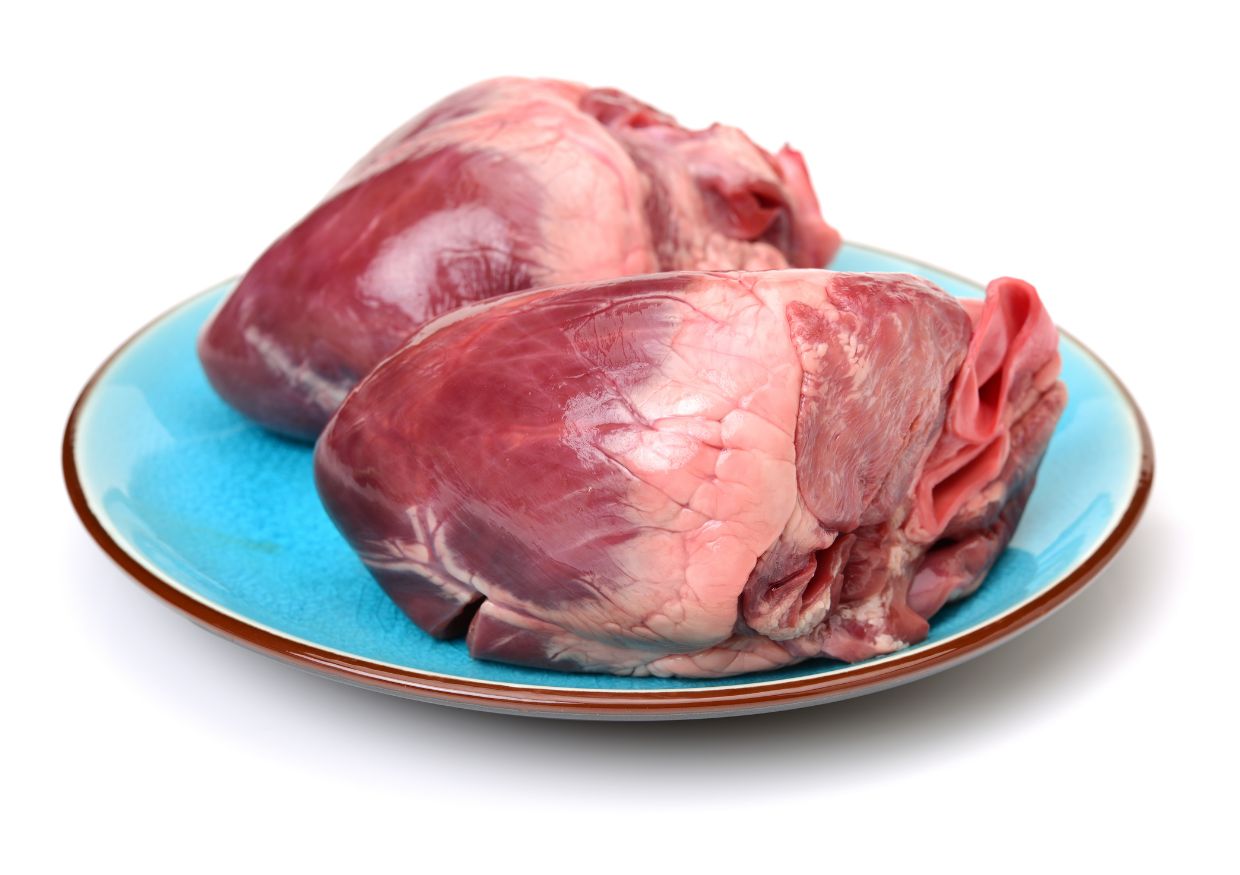
Are Pig Hearts Safe for Dogs?
Yes, dogs can safely eat pig hearts, provided they are:
- Fresh and properly handled
- Cooked or raw (depending on your feeding approach)
- Served in appropriate portions
Pig heart is classed as an organ meat (offal) and is commonly used in raw feeding and home-prepared dog diets.
Pig heart is naturally rich in protein and essential nutrients that support your dog’s overall health.
Nutritional Benefits of Pig Heart for Dogs
Pig heart is more than just muscle meat—it’s a nutrient-dense organ that offers several health benefits:
1. High-Quality Protein
Supports:
- Muscle development
- Tissue repair
- Healthy energy levels
2. Rich in Taurine
Taurine is important for:
- Heart health
- Eye function
- Nervous system support
3. Packed with Essential Vitamins & Minerals
Including:
- Iron (supports healthy blood cells)
- Zinc (immune system support)
- B vitamins (energy metabolism)
4. Lean Yet Nutrient-Dense
Compared to fattier cuts of pork, heart meat is relatively lean but still highly nourishing.
Can Dogs Eat Pig Heart Raw or Cooked?
Both options are possible, but each has pros and considerations:
Raw Feeding
Many raw feeders include pig heart as part of a balanced diet.
- Pros: Preserves nutrients like taurine and enzymes
- Cons: Requires strict hygiene and sourcing quality meat
Cooked Feeding
Light cooking (boiling or gently pan-cooking) is also safe.
- Pros: Reduces bacterial risk
- Cons: Slight nutrient loss
Important: Avoid seasoning, garlic, onion, or salt—these are toxic to dogs.
How Much Pig Heart Can Dogs Eat?
Pig heart should be treated as an occasional protein or part of an organ rotation, not the main staple.
General feeding guide:
- Small dogs: 10–30g per serving
- Medium dogs: 30–80g per serving
- Large dogs: 80–150g per serving
If used in a balanced homemade diet, organ meats should typically make up around 10% of total intake.
Possible Risks to Consider
While pig heart is safe, there are a few things to watch for:
1. Too Much Organ Meat
Overfeeding can cause:
- Loose stools
- Vitamin imbalance (especially vitamin A when combined with other organs)
2. Poor Quality Meat
Always choose:
- Fresh, human-grade pork heart when possible
- Properly stored or frozen raw meat
3. Sensitive Stomachs
Some dogs may need gradual introduction to richer organ meats.
How to Serve Pig Heart to Dogs
You can prepare pig heart in several dog-friendly ways:
- Dice into training treats (lightly cooked)
- Mix into homemade dog food recipes
- Freeze in small portions for raw feeding
- Dehydrate for chewy, high-protein treats
It also pairs well with vegetables like carrots, pumpkin, and green beans in balanced meals.
Is Pig Heart Good for Puppies and Senior Dogs?
Yes, but with caution:
- Puppies: Small, controlled portions to support growth
- Senior dogs: Excellent source of protein and taurine for heart support
Always introduce slowly and monitor digestion.
FAQs
It’s not recommended daily unless part of a carefully balanced raw diet.
Both are excellent. Pig heart is larger and slightly richer in nutrients, while chicken heart is milder and easier for sensitive dogs.
Because it contains taurine, it may be beneficial, but always consult your vet first.