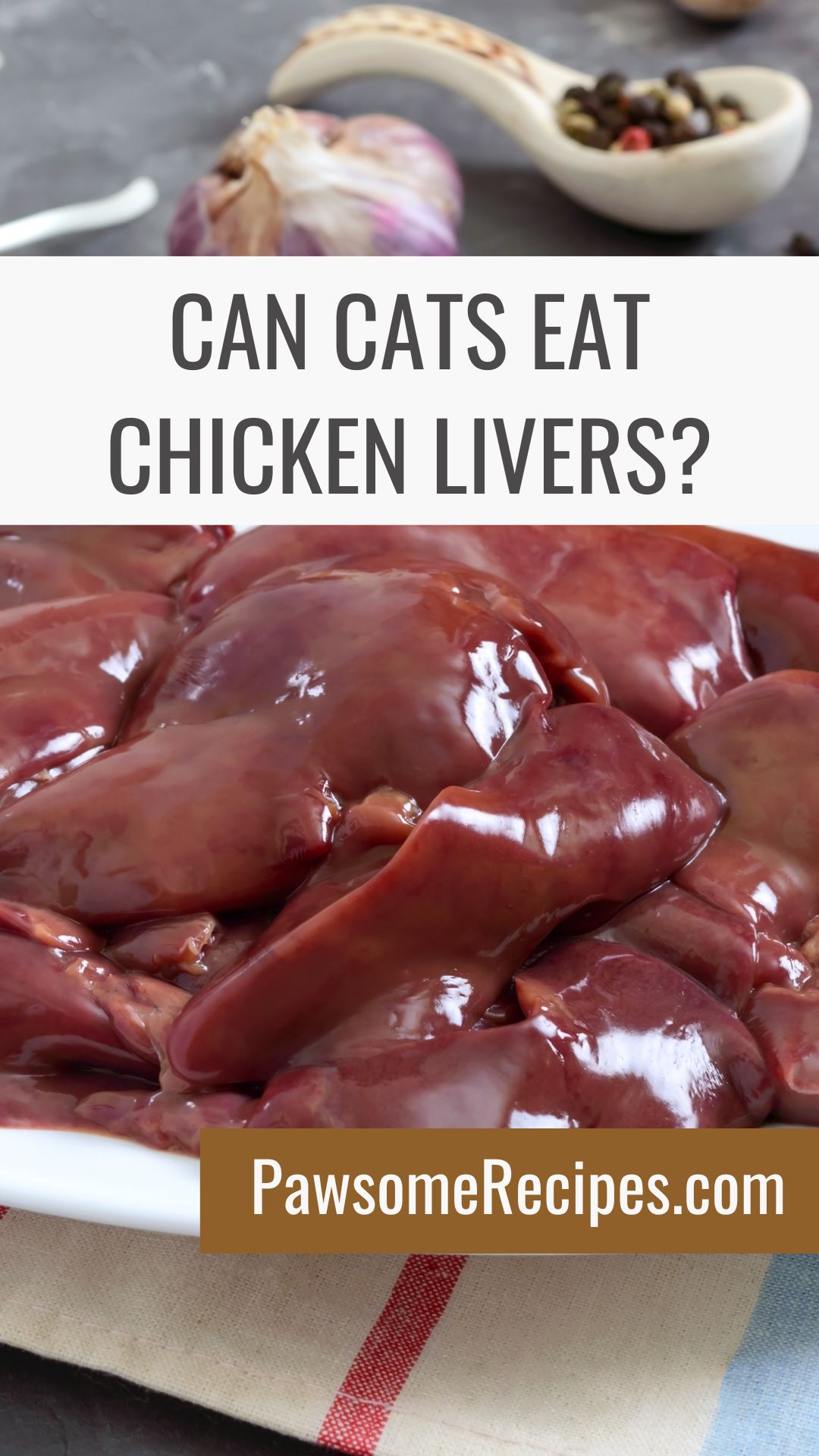
Can Cats Eat Chicken Livers?
Can cats eat chicken livers? Many cat owners wonder if it is safe to feed their pet chicken liver as a treat or as part of their regular diet. Here’s what you need to know about feeding your cat chicken liver.
Are Chicken Livers Safe for Cats?
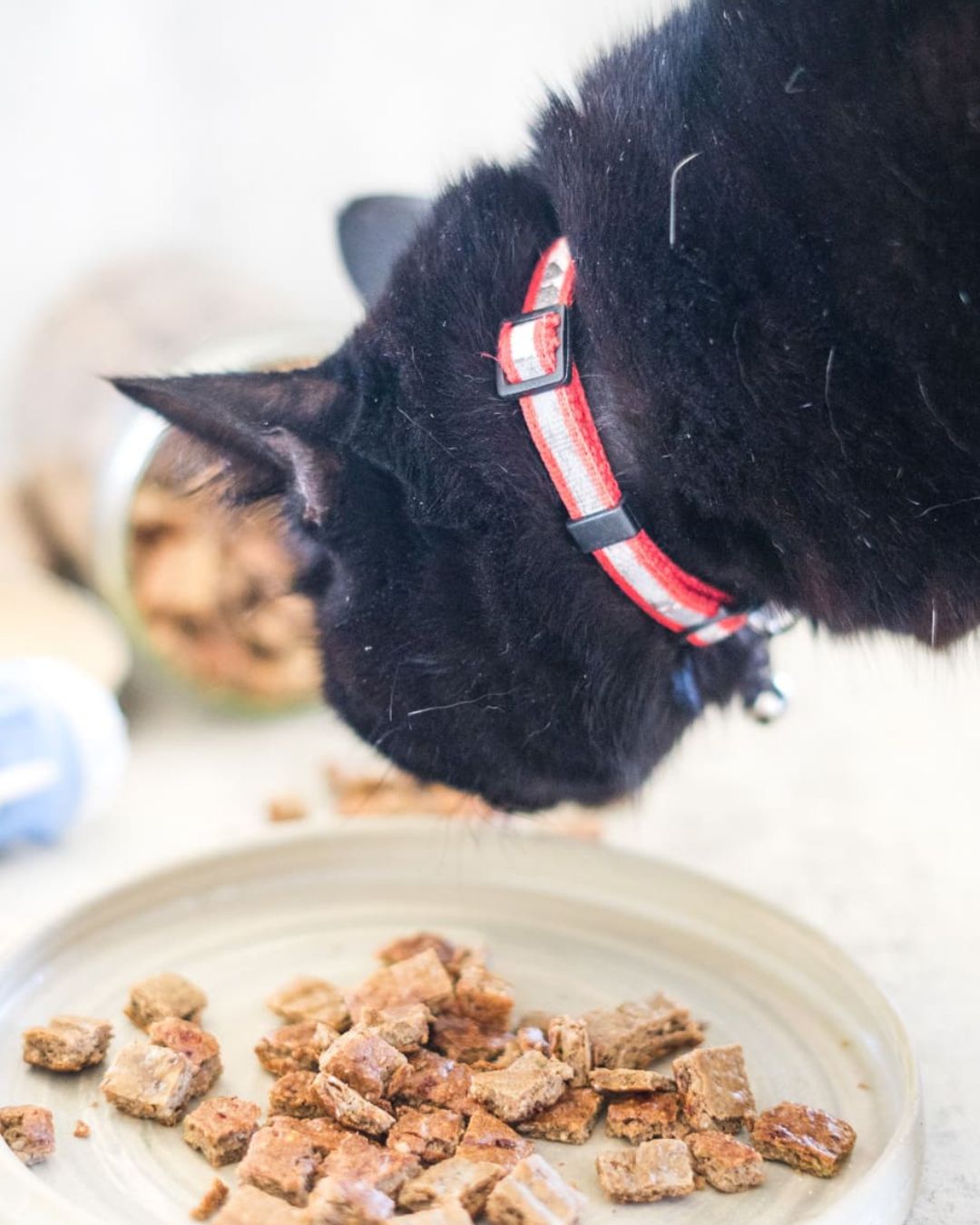
Yes, cats can eat chicken livers, and they often find them delicious! Chicken livers are rich in essential nutrients like protein, vitamins A and B12, iron, and folate, making them a nutritious treat or meal supplement for your cat. However, like any food outside their regular diet, chicken livers should be given in moderation to avoid potential health risks.
Nutritional Benefits of Chicken Livers for Cats
Chicken liver is a powerhouse of nutrients that are beneficial for your cat. Here are some key benefits:
- High-Quality Protein: Cats are obligate carnivores, meaning they need animal protein to thrive. Chicken liver provides easily digestible protein to support muscle maintenance and growth.
- Rich in Vitamin A: Vitamin A is essential for maintaining healthy vision, immune function, and skin. Chicken liver contains high levels of this vital nutrient, but it’s crucial not to overdo it, as excessive vitamin A can lead to toxicity.
- B Vitamins: Chicken liver is packed with B vitamins like B12 and folate, which help support your cat’s nervous system and red blood cell production.
- Iron: Iron is essential for oxygen transportation in the blood, and chicken liver is a great source of this mineral.
- Taurine: Taurine, an amino acid found in animal tissues, is vital for your cat’s heart, vision, and overall health. Chicken liver contributes to their taurine intake.
Can Cats Eat Raw Chicken Livers?
Feeding your cat raw chicken liver is a topic of debate. Some cat owners advocate for raw feeding, as it mimics a cat’s natural diet in the wild. However, there are risks associated with raw chicken liver, including:
- Bacterial Contamination: Raw chicken can carry harmful bacteria like salmonella or E. coli, which can cause food poisoning in both cats and humans.
- Parasites: Raw chicken liver may contain parasites that can harm your cat’s health.
If you choose to feed your cat raw chicken liver, ensure it’s sourced from a reputable supplier, handled hygienically, and served fresh. Freezing the liver for at least three days before serving can help reduce the risk of parasites.
How to Cook Chicken Liver for Cats
Cooking chicken liver is a safer way to serve it to your cat while still retaining most of its nutritional value. Here’s how to prepare it:
- Boiling: Boiling is the simplest and healthiest method. Place the chicken livers in a pot of water and bring it to a boil. Cook for about 10-15 minutes until the livers are fully cooked and no longer pink inside. Let them cool before serving.
- Steaming: Steaming is another great option that helps preserve nutrients. Place the livers in a steaming basket over boiling water for 10-12 minutes.
- Baking: You can bake chicken livers in the oven at 350°F (175°C) for about 20 minutes. Avoid adding any seasonings, oils, or spices.
Remember to let the cooked liver cool completely before offering it to your cat. You can chop it into small, manageable pieces or mash it into their regular food for easier consumption.
Boiled Chicken Livers for Cats
Boiled chicken livers are perhaps the most cat-friendly way to prepare this delicacy. Boiling ensures that the liver is free from harmful bacteria and parasites while keeping the preparation simple and unseasoned. Follow these steps:
- Wash the chicken livers thoroughly under cold water to remove any debris or blood.
- Place the livers in a small pot and cover them with water.
- Bring the water to a boil, then reduce the heat to a simmer.
- Cook for 10-15 minutes or until the livers are fully cooked (no pinkness inside).
- Remove the livers from the water and let them cool.
You can serve boiled chicken livers as a treat or mix them into your cat’s regular food. If your cat prefers a smoother texture, mash the livers with a fork.
How Much Chicken Liver Should You Feed Your Cat?
While chicken liver is highly nutritious, it should only make up a small portion of your cat’s diet. Too much liver can lead to vitamin A toxicity, which can cause issues like bone deformities, joint pain, and, in severe cases, organ damage.
As a general rule:
- Feed chicken liver as an occasional treat, not a daily staple.
- Limit the serving size to about 5-10% of your cat’s overall diet.
- For an average-sized cat, this means about one or two small pieces of liver per week.
Always consult your veterinarian before introducing new foods to your cat’s diet, especially if they have underlying health conditions.
Signs of Vitamin A Toxicity in Cats
Feeding your cat too much liver over time can lead to vitamin A toxicity. Symptoms to watch for include:
- Lethargy
- Stiffness or difficulty moving
- Bone pain or deformities
- Loss of appetite
- Vomiting
If you suspect your cat has consumed too much liver or is showing signs of toxicity, consult your veterinarian immediately.
Tips for Feeding Chicken Liver to Cats
- Introduce Gradually: If your cat has never had chicken liver before, start with a small amount to see how they react. Some cats may have sensitive stomachs and need time to adjust.
- Avoid Seasonings: Cats don’t need salt, spices, or other seasonings, which can be harmful to their health.
- Store Properly: If you’re preparing a batch of cooked liver, store leftovers in an airtight container in the fridge for up to three days. You can also freeze portions for later use.
- Combine with Other Foods: Mix small amounts of liver into your cat’s regular food to enhance flavor and nutrition without overloading on liver.
Alternative Organ Meats for Cats
Chicken liver isn’t the only organ meat cats can enjoy. Other options include:
- Chicken hearts: High in taurine, essential for your cat’s health.
- Beef liver: Similar nutritional benefits to chicken liver but should also be fed in moderation.
- Kidneys: Rich in nutrients but should be cooked thoroughly before serving.
Offering a variety of organ meats can help diversify your cat’s diet and ensure balanced nutrition.