Can Dogs Eat Peanut Butter?
Peanut butter is one of those foods that most dogs absolutely love. Whether it’s spread inside a Kong, used to hide a tablet or mixed into homemade dog treats, this creamy spread is a firm favourite with plenty of pups.
But can dogs eat peanut butter safely? And is all peanut butter suitable for dogs?
The good news is that yes, most dogs can eat peanut butter in moderation, provided it doesn’t contain xylitol (also called birch sugar) or other potentially harmful ingredients.
Peanut butter contains protein, healthy fats and several vitamins and minerals. However, it’s also high in calories and fat, so a little goes a long way.
Before you reach for the peanut butter jar, here’s everything you need to know about choosing a dog-safe peanut butter, how much to serve and when it’s best avoided.
This post may contain affiliate links. Please read my disclosure policy for more information.
Is Peanut Butter Safe for Dogs?
Yes, plain peanut butter is generally safe for healthy dogs when given in small amounts.
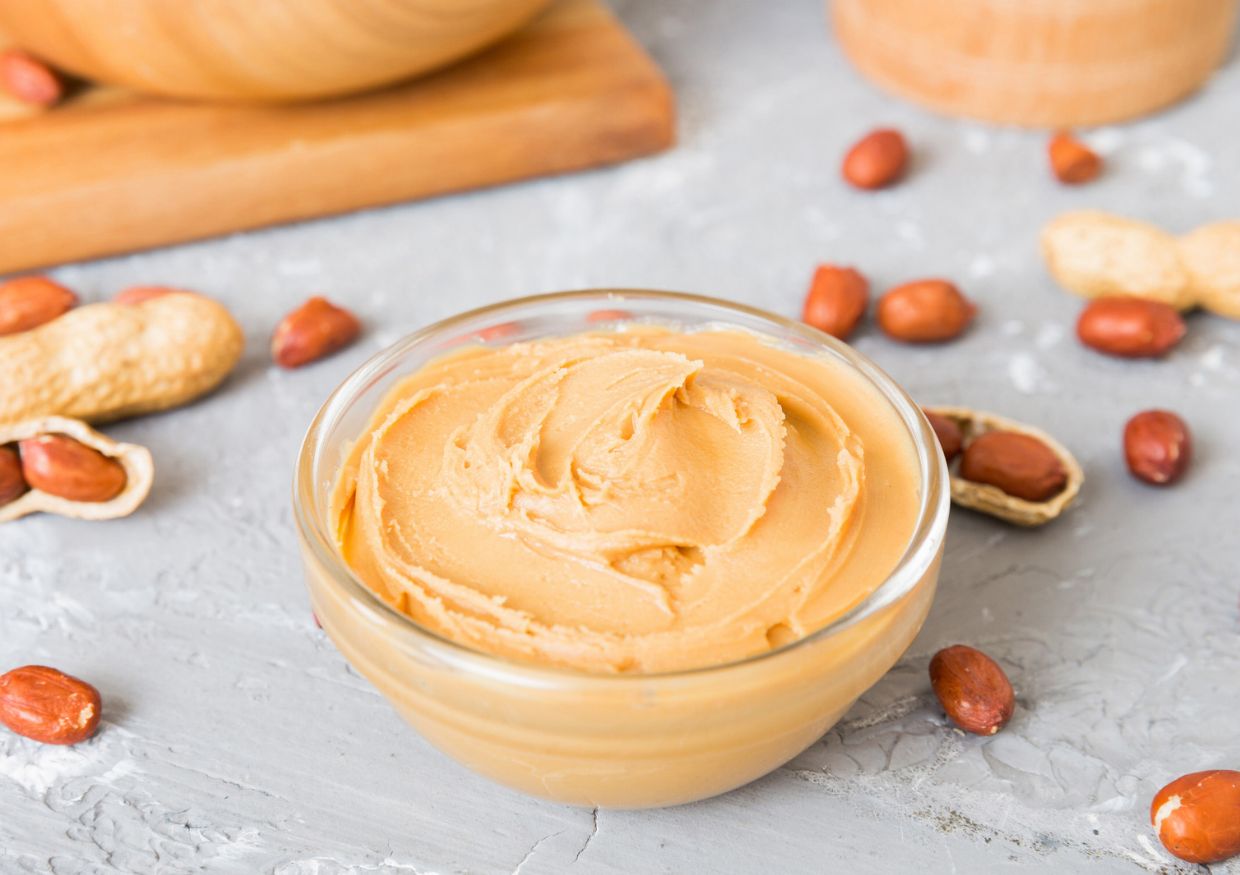
The best peanut butter for dogs is one made from 100% roasted peanuts, without added sugar, salt, sweeteners or unnecessary oils. Always check the ingredients before sharing peanut butter with your dog. Some products contain sweeteners or other additives that aren’t suitable for pets.
One ingredient that should never be given to dogs is xylitol, a sugar substitute that can cause life-threatening poisoning.
Quick answer: Can dogs have peanut butter?
- Yes: Plain, unsweetened peanut butter without xylitol.
- In moderation: Peanut butter is calorie-dense and high in fat.
- Avoid: Products containing xylitol, chocolate or excessive salt.
- Check with your vet: If your dog has pancreatitis, food allergies or a condition requiring a restricted diet.
Is Peanut Butter Good for Dogs?
Peanut butter does offer some nutritional benefits, although it should be considered an occasional treat rather than an essential part of your dog’s diet.
1. Provides protein
Peanut butter contains plant-based protein, which contributes to the body’s supply of amino acids needed for maintaining muscles and other tissues.
However, peanut butter isn’t a complete replacement for the animal-based or other balanced protein sources in your dog’s regular diet.
2. Contains healthy fats
Peanuts contain mostly unsaturated fats, including monounsaturated and polyunsaturated fatty acids.
These fats provide energy and contribute to normal cell function. However, peanut butter also contains a considerable amount of total fat, which makes portion control important.
3. Supplies vitamins and minerals
Peanut butter naturally contains several nutrients, including:
- Vitamin E: An antioxidant that helps protect cells.
- Niacin (vitamin B3): Supports normal energy metabolism.
- Magnesium: Contributes to muscle and nerve function.
- Phosphorus: Helps maintain healthy bones and teeth.
Although these nutrients are beneficial, dogs eating a complete and balanced diet should already receive the vitamins and minerals they need.
4. Makes a useful training treat
Peanut butter’s strong smell and creamy texture make it particularly appealing to many dogs.
A tiny amount can be used as a high-value reward during training or to encourage a reluctant dog to take certain medications, provided the medication can safely be given with food.
It can also be used in enrichment toys to keep dogs occupied.
What Peanut Butter Is Safe for Dogs?
Choosing the right peanut butter is important, particularly when you’re making homemade dog treats.
Look for a natural peanut butter with a short ingredient list.
| Ingredient | Safe for dogs? |
|---|---|
| 100% peanuts | Yes, in moderation |
| Peanuts with a little added salt | Generally not toxic, but unsalted is preferable |
| Added sugar | Best avoided |
| Palm oil | Not usually toxic, but adds unnecessary fat |
| Xylitol (birch sugar) | No — highly toxic |
| Chocolate or cocoa | No — toxic to dogs |
| Honey | Small amounts may be tolerated, but unnecessary |
Natural peanut butter sometimes separates, leaving a layer of oil on top. This is perfectly normal. Give it a good stir before using.
What Are the Best Peanut Butter Brands for Dogs?
When choosing peanut butter for your dog, look for a natural variety made from 100% peanuts. These are usually the simplest options for homemade dog treats because they don’t contain unnecessary sugar, salt or added oils.
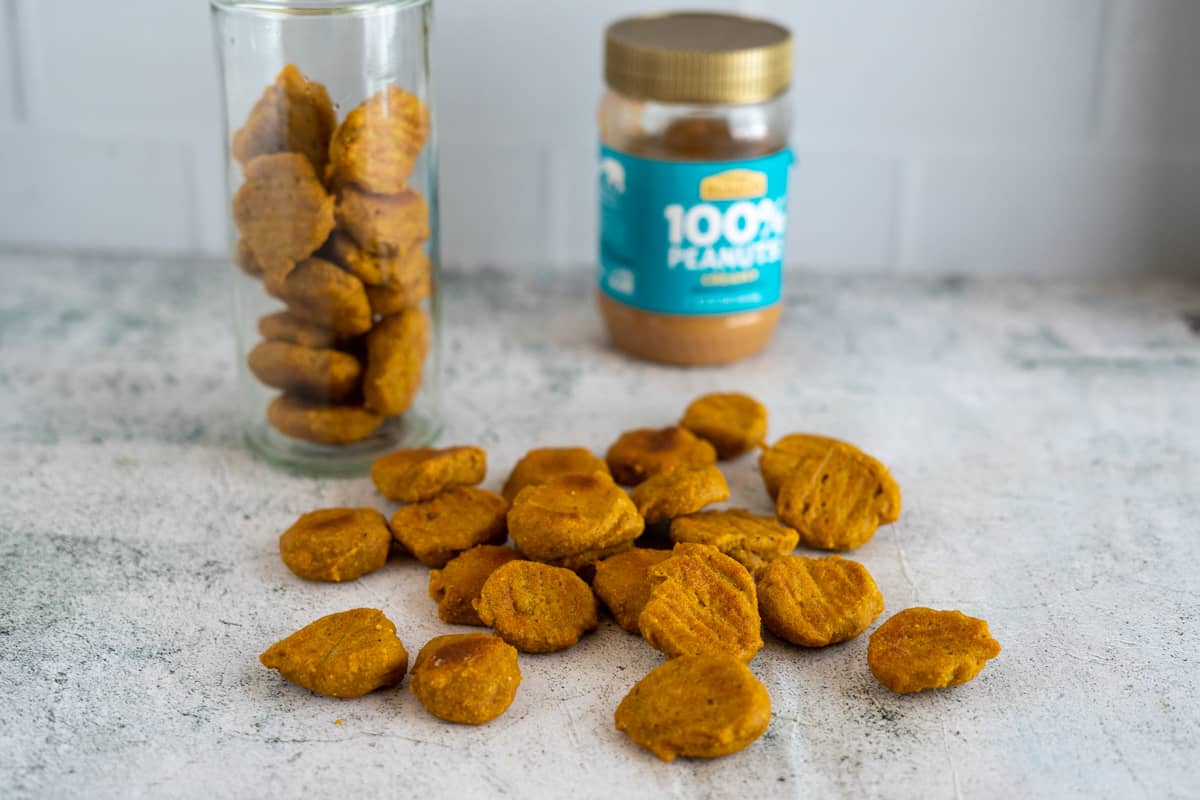
In the USA, Crazy Richard’s 100% Peanuts Creamy Peanut Butter is a good choice, while Teddie All Natural Unsalted Peanut Butter is another option worth looking for.
For UK dog owners, Meridian Smooth Peanut Butter is one of our favorites because it’s made entirely from peanuts. Pip & Nut Smooth Peanut Butter and Morrisons 100% Smooth Peanut Butter are other options to consider, although you should check their ingredient labels.
Whichever brand you choose, always read the label before feeding it to your dog. Avoid any peanut butter containing xylitol (sometimes called birch sugar), which is extremely toxic to dogs.
Even natural peanut butter is high in fat and calories, so serve it sparingly.
Product ingredients can change. Always check the packaging before giving peanut butter to your dog. These recommendations are based on the listed ingredients and are not endorsements or guarantees of safety for every dog
Why Is Xylitol Dangerous for Dogs?
Xylitol is an artificial sweetener commonly found in sugar-free chewing gum, sweets, some dental products and certain nut butters.
It may also appear on ingredient labels as birch sugar or wood sugar. While xylitol is safe for humans in ordinary food amounts, it’s extremely toxic to dogs.
When dogs consume xylitol, it can trigger a rapid release of insulin, causing blood sugar levels to fall dangerously low. In some cases, it can also cause severe liver damage.
Signs of xylitol poisoning may include vomiting, weakness, staggering, tremors, seizures and collapse.
If you suspect your dog has eaten peanut butter containing xylitol, contact your vet or an emergency veterinary clinic immediately. Do not wait for symptoms to appear.
Never assume a peanut butter is safe simply because it’s labelled natural, organic, sugar-free or low-calorie. Always read the ingredients.
How Much Peanut Butter Can Dogs Eat?
Peanut butter is best served as an occasional treat, and the amount you give should depend on your dog’s size, weight, activity level and overall diet.
A tablespoon of regular peanut butter contains approximately 90–100 calories, which can add up quickly, particularly for smaller dogs.
As a general rule, treats and extras should make up no more than 10% of your dog’s daily calorie intake.
Peanut butter serving guide for dogs
The following amounts are conservative starting points for healthy adult dogs. They are not daily requirements, and smaller portions may be more appropriate.
| Dog size | Suggested occasional portion |
|---|---|
| Extra small (under 10 lbs / 4.5 kg) | ¼ teaspoon |
| Small (10–20 lbs / 4.5–9 kg) | ½ teaspoon |
| Medium (20–50 lbs / 9–23 kg) | 1 teaspoon |
| Large (50–90 lbs / 23–41 kg) | 1–2 teaspoons |
| Extra large (over 90 lbs / 41 kg) | Up to 1 tablespoon |
These are approximate treat portions rather than veterinary feeding recommendations. The amount should be reduced if your dog is receiving other treats throughout the day.
For dogs that are overweight or have medical conditions, speak to your veterinarian before adding peanut butter to their diet.
Can Dogs Eat Peanut Butter Every Day?
Healthy dogs can have small amounts of dog-safe peanut butter regularly, but it’s generally better to rotate treats rather than offering peanut butter every day. Because it’s high in fat and calories, frequent generous servings can contribute to unwanted weight gain.
If you’re using peanut butter for daily medication or enrichment, try measuring out a small portion rather than dipping straight into the jar.
Remember to count peanut butter used in homemade treats towards your dog’s daily treat allowance, too.
Can Puppies Eat Peanut Butter?
Yes, puppies can generally have a tiny taste of plain, xylitol-free peanut butter once they’re fully weaned and eating solid food.
Start with a very small amount and watch for any signs of digestive upset or an allergic reaction. Puppies have sensitive digestive systems, and too much peanut butter can cause loose stools or vomiting.
For young puppies, it’s usually better to focus on a complete and balanced puppy diet and use small pieces of their regular food as training rewards.
Can Dogs Be Allergic to Peanut Butter?
Although peanut allergies are much less commonly reported in dogs than in humans, they can occur.
A dog may also have an intolerance to peanuts or another ingredient in the peanut butter.
Signs of a possible food allergy or adverse reaction include:
- Itchy skin or excessive scratching
- Redness around the face or ears
- Recurrent ear or skin problems
- Vomiting or diarrhoea
- Swelling around the face or muzzle
If your dog develops facial swelling, breathing difficulties or suddenly collapses after eating peanut butter, seek emergency veterinary care.
For milder or recurring symptoms, stop feeding peanut butter and discuss the problem with your veterinarian.
Can Dogs With Pancreatitis Eat Peanut Butter?
Peanut butter is generally not a suitable treat for dogs with pancreatitis or those that require a low-fat diet. Its high fat content can be problematic for dogs with a history of pancreatic inflammation.
Dogs recovering from pancreatitis may need a carefully controlled diet, and even small additions of fatty foods can interfere with their feeding plan.
If your dog has previously experienced pancreatitis, ask your vet about suitable low-fat treats instead.
Can Dogs Eat Crunchy Peanut Butter?
Yes, most healthy adult dogs can eat crunchy peanut butter, provided it contains no harmful ingredients.
However, smooth peanut butter is usually the better option, especially for small dogs, puppies and seniors. Smooth peanut butter is easier to spread, mix into recipes and portion into enrichment toys.
Crunchy peanut butter contains small pieces of peanuts that may be more difficult for some dogs to manage, particularly those with dental problems or swallowing difficulties.
For homemade dog biscuits, we prefer smooth peanut butter because it mixes evenly into the dough.
Can Dogs Eat Peanut Butter Powder?
Plain peanut butter powder can be suitable for dogs if it contains only peanuts and no harmful sweeteners or other additives.
Peanut butter powder is made by pressing much of the oil from roasted peanuts before grinding them into a fine powder. As a result, it generally contains less fat and fewer calories than traditional peanut butter when compared by weight.
It can be a useful ingredient for homemade dog biscuits, although the reduced fat content doesn’t automatically make it suitable for dogs on prescription diets.
Always check the ingredients, particularly in flavored or sweetened varieties.
Dog Treat Recipes With Peanut Butter Powder


Can Dogs Eat Peanut Butter Cookies?
Dogs can enjoy homemade peanut butter cookies made with dog-safe ingredients. However, peanut butter cookies made for humans aren’t always suitable.
Making your own peanut butter dog treats gives you control over the ingredients and portion sizes.
Many contain added sugar, butter, chocolate or other ingredients that dogs don’t need. Sugar-free cookies may contain xylitol, making them especially dangerous.
How to Give Peanut Butter to Dogs
There are plenty of ways to serve peanut butter beyond simply letting your dog lick it from a spoon.
- Stuff a Kong toy – Spread a thin layer inside a Kong or similar enrichment toy. You can combine it with a little mashed banana or plain pumpkin puree.
- Spread on a lick mat – A small amount of peanut butter spread thinly over a lick mat can provide a fun enrichment activity.
- Bake homemade dog treats – Peanut butter works well with ingredients such as pumpkin, oats, banana and sweet potato.
- Make frozen treats – Mix a little peanut butter with plain unsweetened yoghurt or mashed banana and freeze in small silicone molds.
Homemade Peanut Butter Dog Treat Recipes
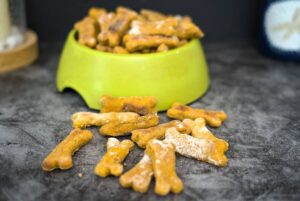
One of our favorite ways to use peanut butter is in homemade dog treats. It’s easy to work with, combines well with other dog-friendly ingredients and gives biscuits a flavor that many dogs love.
Here are a few peanut butter treat ideas to try. For more treat recipes, check out our collection of peanut butter dog treat recipes.



FAQs
A small amount of salted peanut butter is unlikely to harm most healthy dogs, but unsalted peanut butter is the better choice. Dogs don’t need the extra sodium, especially if they have certain heart or kidney conditions.
A small amount of honey in peanut butter isn’t usually toxic to healthy adult dogs, but it adds unnecessary sugar. Plain peanut butter is a better option.
Palm oil isn’t normally considered toxic in the small amounts found in some peanut butter products, but it increases the fat content. A peanut butter made entirely from peanuts is preferable
Small amounts may be tolerated by healthy dogs, but coconut oil adds extra fat and calories. It’s unnecessary in peanut butter treats and may be unsuitable for dogs prone to pancreatitis.
Dogs with diabetes need a carefully managed diet. Although unsweetened peanut butter contains relatively little sugar, it’s high in fat and calories. Check with your veterinarian before adding it to a diabetic dog’s feeding plan.