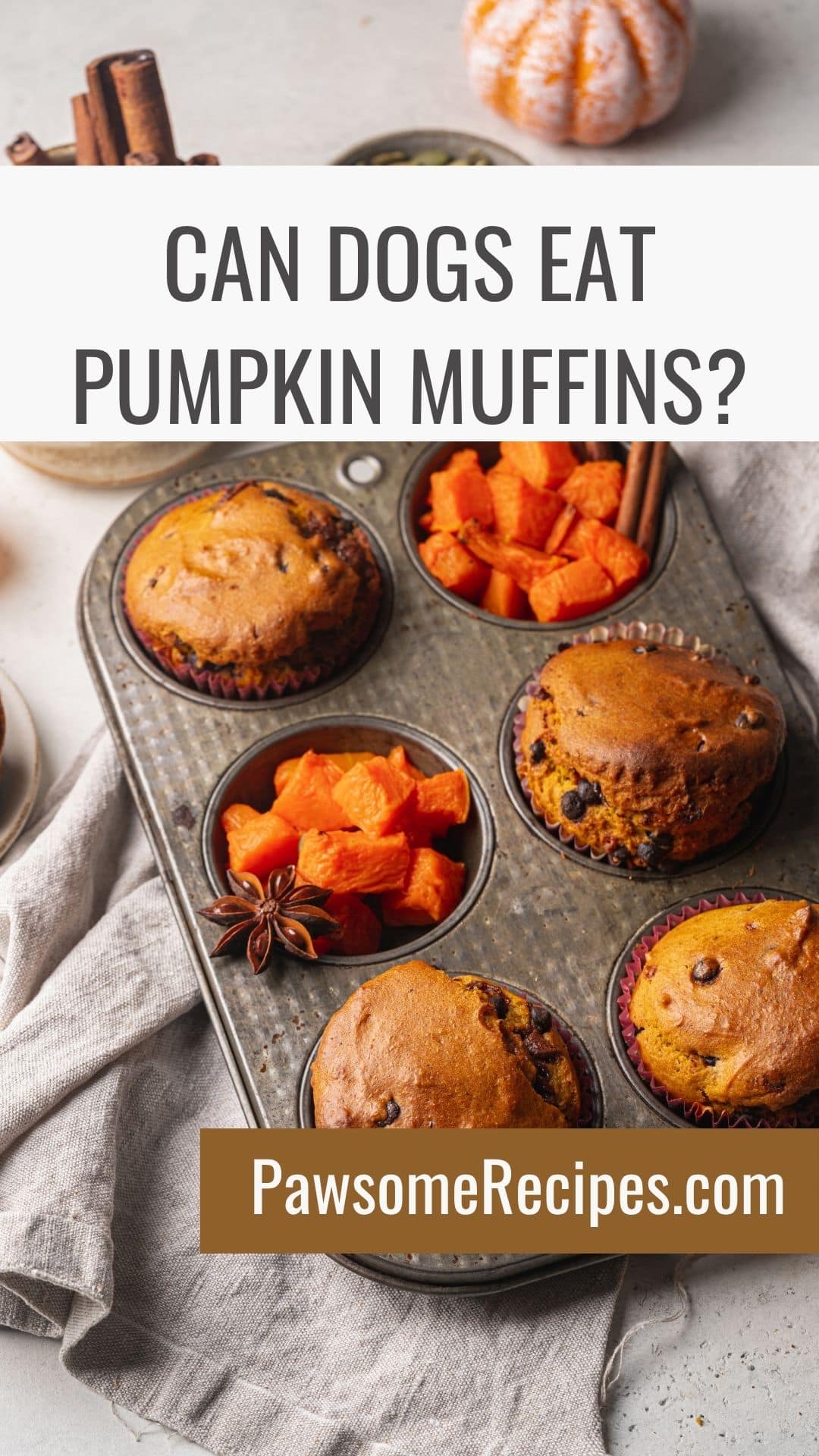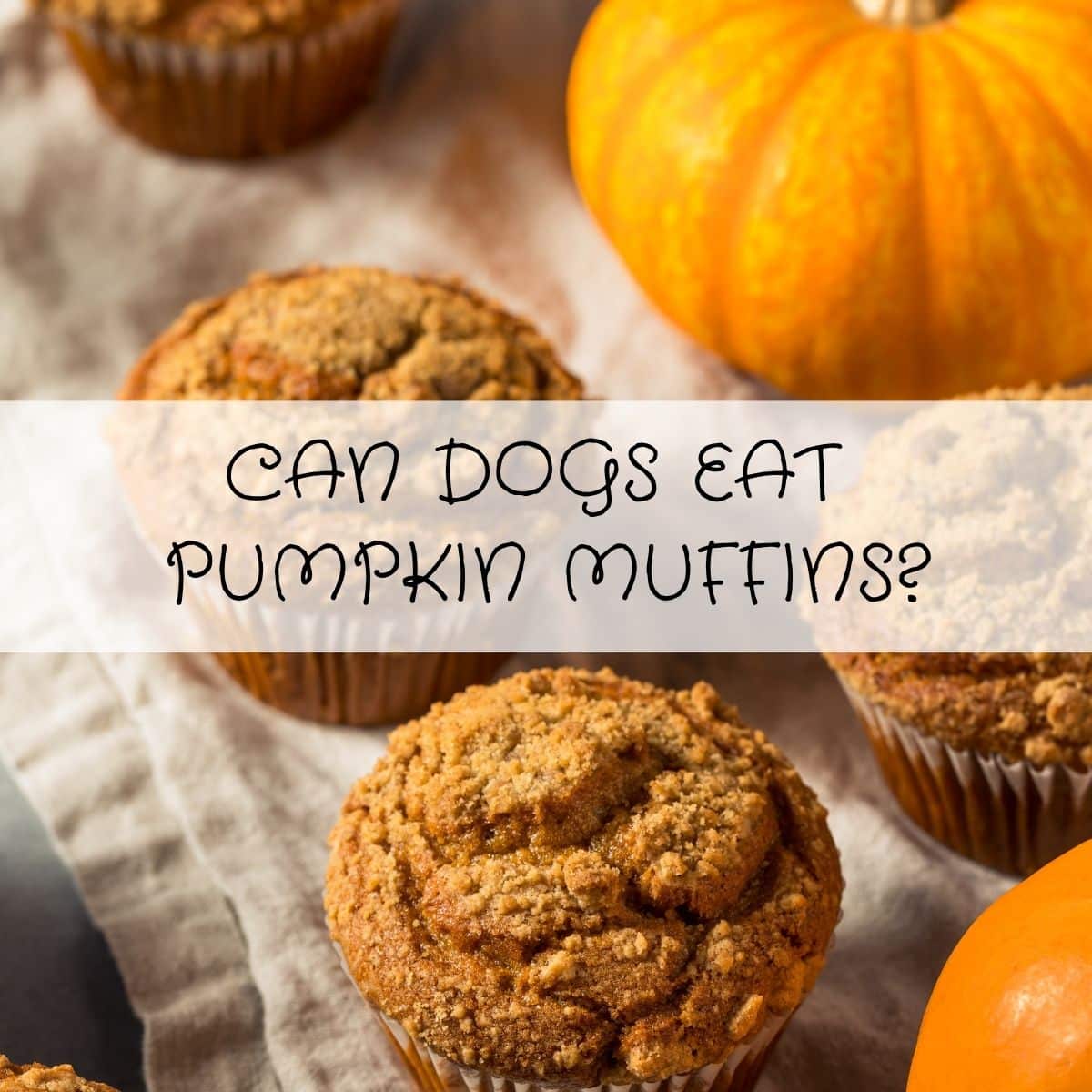
Can Dogs Eat Pumpkin Muffins
Pumpkin muffins might seem like a fairly harmless treat to share with your dog. After all, pumpkin itself is commonly fed to dogs and is often found in homemade dog treats. But while plain pumpkin can be a healthy addition to your dog’s diet, the same isn’t necessarily true of the pumpkin muffins we bake for ourselves.
Most human pumpkin muffins contain sugar, butter or oil and other ingredients that dogs simply don’t need. Some recipes can also contain potentially harmful additions such as chocolate, raisins, nutmeg or xylitol.
So, can dogs eat pumpkin muffins? Dogs can eat a small amount of a plain pumpkin muffin if all the ingredients are dog-safe, but regular store-bought or bakery muffins aren’t a good choice for them. A much better option is to make pumpkin muffins specifically for dogs using simple, dog-friendly ingredients.
This post may contain affiliate links. Please read my disclosure policy for more information.
Is Pumpkin Safe for Dogs?
Yes. Plain, cooked pumpkin is safe for most dogs and can be a useful addition to their diet in moderation.
Pumpkin provides dietary fiber as well as nutrients including beta-carotene, which the body can convert to vitamin A. Its fiber content is one of the main reasons pumpkin is so popular with dog owners.
Both fresh cooked pumpkin and plain canned pumpkin can be given to dogs. If you’re using canned pumpkin, check the label carefully. You want 100% pumpkin puree, rather than pumpkin pie filling.
Pumpkin pie filling usually contains added sugar and spices and isn’t the same product as plain pumpkin puree.
Can Dogs Eat Homemade Pumpkin Muffins?
They can, provided the recipe has been made with dogs in mind.
A homemade pumpkin muffin can actually make a lovely occasional dog treat. Pumpkin combines well with several dog-friendly baking ingredients, including:
- Pumpkin puree
- Eggs
- Oat flour
- Rolled oats
- Plain unsweetened applesauce
- Banana
- Dog-safe peanut butter
- Plain Greek yogurt
- Carrots
- Cinnamon
Making your own also means you know exactly what’s gone into the muffin. There’s no need to add sugar, frosting or large quantities of fat when you’re baking for your dog.
Remember that muffins should still be treated as treats rather than a complete meal, even when they’re made entirely from dog-friendly ingredients.
Can Dogs Eat Store-Bought Pumpkin Muffins?
It’s best not to deliberately give your dog a commercially made pumpkin muffin.
A typical bakery or supermarket pumpkin muffin is designed for people and can be surprisingly high in sugar and fat. It may also contain ingredients that aren’t suitable for dogs.
A tiny piece of an otherwise plain muffin is unlikely to cause a problem for most healthy dogs, but there isn’t really any benefit to sharing it when you can offer plain pumpkin or a dog treat instead.
The bigger concern is what’s hidden in the ingredient list.
Ingredients to Watch Out For in Pumpkin Muffins
Not every ingredient commonly added to pumpkin muffins is dog-friendly.
Nutmeg – This is one of the most important ingredients to check. Pumpkin recipes often use warming spices, and nutmeg contains a compound called myristicin that can be toxic to dogs when consumed in sufficient quantities.
A small accidental taste of a baked product containing a little nutmeg isn’t necessarily going to cause poisoning, but nutmeg isn’t an ingredient you should intentionally add to homemade dog treats.
Xylitol – Some sugar-free and reduced-sugar baked goods may contain xylitol, a sweetener that is extremely dangerous to dogs. It can cause a rapid drop in blood sugar and, at higher doses, liver injury.
Never give your dog a muffin or other baked product containing xylitol. If your dog has eaten something containing xylitol, contact your veterinarian immediately.
Raisins – Pumpkin and raisin might sound like a perfectly reasonable autumn baking combination for people, but raisins are toxic to dogs.
Grapes, raisins, sultanas and currants can cause acute kidney injury in dogs, and there isn’t a reliably safe amount. If your dog has eaten a pumpkin muffin containing raisins, contact your veterinarian promptly rather than waiting for symptoms to develop.
Chocolate – Chocolate chips sometimes find their way into pumpkin muffins. Chocolate contains methylxanthines, including theobromine and caffeine, which dogs metabolize much more slowly than humans. The darker the chocolate, the greater the potential risk.
Macadamia Nuts – Nuts are another popular muffin addition. Macadamia nuts are toxic to dogs and should never be included in dog treats.
Other nuts aren’t necessarily toxic, but they’re generally high in fat and aren’t needed in a pumpkin muffin made for your dog.
Sugar – Regular sugar isn’t considered toxic to dogs, but that doesn’t make a sugary muffin a good treat. Dogs don’t need added sugar in their treats. Regularly feeding sugary foods adds unnecessary calories and can contribute to weight gain and dental problems.
Butter and Oil – A small amount of fat used in baking isn’t automatically dangerous to a healthy dog. The problem with human muffins is that they can contain quite a lot of it. Rich, fatty foods can cause digestive upset and may be particularly inappropriate for dogs that need a low-fat diet or have a history of pancreatitis.
Pumpkin Spice – Don’t assume that something labelled “pumpkin spice” is automatically safe for your dog. Pumpkin spice blends vary, but they commonly contain cinnamon, ginger, cloves, allspice and nutmeg. Because the ingredients and proportions differ between brands, it’s easier to skip pumpkin spice blends altogether when baking for dogs.
Can Dogs Eat Pumpkin Muffins With Cinnamon?
A little cinnamon used in baking is generally considered safe for dogs. That doesn’t mean your dog’s muffins need lots of it. A small pinch can provide the familiar warm flavor we associate with pumpkin baking without adding sugar.
Cinnamon is a much better choice for a dog-friendly pumpkin muffin than a pumpkin pie spice blend containing nutmeg.
What About Pumpkin Muffins With Peanut Butter?
Pumpkin and peanut butter work particularly well together in homemade dog treats, and peanut butter can be used in pumpkin muffins for dogs. The important thing is to check the peanut butter label for xylitol or other potentially unsafe sweeteners.
Choose a plain peanut butter without xylitol and use it sparingly, since peanut butter is calorie-dense and high in fat.
Are Pumpkin Muffins Good for Dogs?
A dog-friendly pumpkin muffin can contain useful ingredients, but I’d still describe it as a treat rather than a health food.
Pumpkin itself offers fiber and several vitamins and minerals. Eggs can provide protein and fat, while oats or oat flour provide carbohydrates and additional fiber.
But once these ingredients have been turned into a muffin, portion size becomes important. Treat calories count just as much as calories from your dog’s regular food.
As a general rule, treats and extras should make up no more than about 10% of your dog’s daily calories, with the majority coming from a complete and balanced diet.
How Much Pumpkin Muffin Can a Dog Eat?
There isn’t one serving size that works for every pumpkin muffin because recipes and muffin sizes vary considerably.
For dog-friendly mini muffins, you could use the following as a rough starting point:
| Dog size | Suggested amount |
|---|---|
| Extra-small dogs | ¼ mini muffin |
| Small dogs | ½ mini muffin |
| Medium dogs | ½–1 mini muffin |
| Large dogs | 1 mini muffin |
| Extra-large dogs | 1–2 mini muffins |
These are treat portions rather than daily feeding requirements.
For a new recipe, start with a small piece and see how your dog tolerates it. Too much pumpkin or other fiber-rich ingredients at once can cause gas, loose stools or other digestive upset.
Can Puppies Eat Pumpkin Muffins?
A puppy can have a very small amount of a dog-friendly pumpkin muffin once they’re old enough to eat solid foods and treats comfortably.
However, puppies have important nutritional requirements while they’re growing, so treats shouldn’t displace their regular complete puppy food.
Break the muffin into tiny pieces rather than giving a puppy a whole muffin.
Can Dogs Eat Pumpkin Muffin Tops?
There’s nothing inherently different about the top of a homemade dog-friendly muffin.
With human muffins, however, the top may contain additional sugar, streusel, glaze, chocolate chips or nuts. Some bakery-style muffin tops are also particularly rich.
If it isn’t a muffin specifically made for dogs, checking the ingredients is more important than deciding which part of the muffin to share.
Can Dogs Eat Pumpkin Bread?
The same advice applies to pumpkin bread. A plain piece made from dog-safe ingredients isn’t necessarily harmful, but traditional pumpkin bread often contains plenty of sugar and fat along with spices and other additions.
Pumpkin bread containing raisins, chocolate, macadamia nuts or xylitol should never be given to dogs.
For a dog that enjoys pumpkin, plain pumpkin puree or homemade pumpkin treats are much better choices.
Can Dogs Eat Pumpkin Muffins Every Day?
Even dog-friendly pumpkin muffins are best served as occasional treats.
If you’re giving your dog homemade treats regularly, remember to account for them as part of their overall calorie intake. Dogs that are overweight, have diabetes, pancreatitis, food allergies or another condition requiring a controlled diet may need different treats. Check with your veterinarian before introducing new foods if your dog has a medical condition or is following a therapeutic diet.
My Dog Ate a Pumpkin Muffin – What Should I Do?
First, find out exactly what was in the muffin.
If it was a small amount of a plain pumpkin muffin containing ordinary flour, pumpkin, egg, sugar and a little cinnamon, a healthy dog may simply need monitoring for digestive upset.
The situation is different if the muffin contained xylitol, raisins, chocolate or macadamia nuts. Contact your veterinarian or an emergency veterinary service promptly if any of these ingredients were present.
It’s helpful to have the ingredient list or recipe available when you call. Your veterinarian will also want to know approximately how much your dog ate, your dog’s weight and when it happened.
How to Make Pumpkin Muffins Safer for Dogs
If you want your dog to join in with pumpkin season, make a separate batch specifically for them.
Keep the ingredient list simple. Start with plain pumpkin puree and combine it with ingredients such as egg and oat flour. Banana or unsweetened applesauce can add natural sweetness without needing added sugar.
Bake the mixture in a mini muffin pan or silicone molds to create naturally smaller portions. Skip the sugar, salt, frosting, chocolate and raisins, and don’t use nutmeg or pumpkin pie spice.
You can even add a small spoonful of plain Greek yogurt on top once the muffins have cooled if you want to make them look a little more special.
Dog-Friendly Pumpkin Muffin Variations
Once you have a basic pumpkin muffin recipe, there are plenty of dog-friendly combinations you can try.
Pumpkin and carrot: Add finely grated carrot for extra texture.
Pumpkin and banana: Mashed ripe banana adds moisture and natural sweetness.
Pumpkin and peanut butter: Add a small amount of xylitol-free peanut butter.
Pumpkin and apple: Finely diced peeled apple or plain unsweetened applesauce pairs nicely with pumpkin. Always remove apple seeds and the core.
Pumpkin and blueberry: A few fresh blueberries make an easy fruity addition.
Pumpkin and oat: Rolled oats can give the muffins a slightly more substantial texture.
Keeping the basic recipe simple also makes it easier to identify ingredients if your dog has food sensitivities.