
Can Dogs Eat Raspberries?
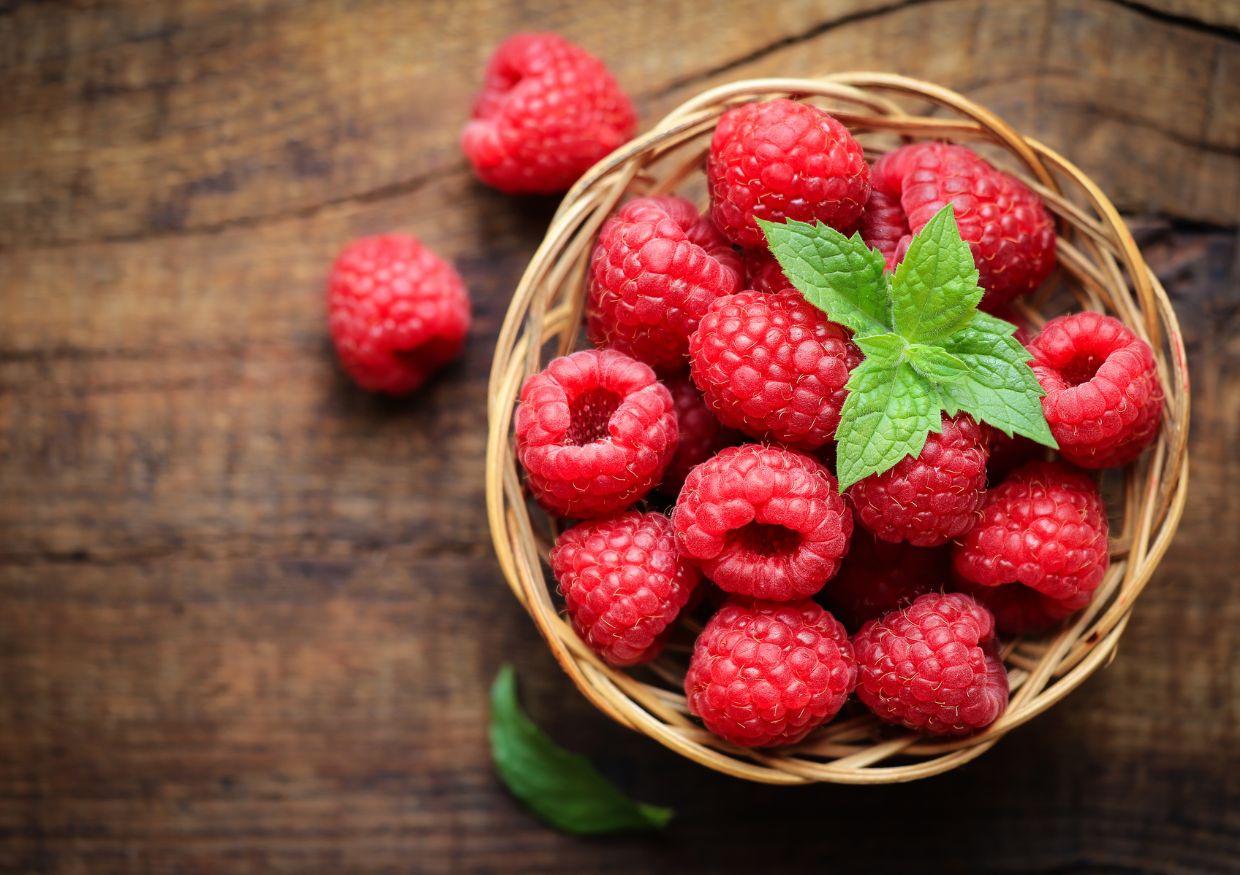
If you’ve ever been enjoying a handful of fresh raspberries and noticed your dog watching you hopefully, you might have wondered whether it’s safe to share one or two. The good news is that dogs can eat raspberries in moderation. These small berries are packed with vitamins, fiber, and antioxidants, making them a healthy occasional treat for many dogs.
However, like many human foods, there are a few things every dog owner should know before adding raspberries to their dog’s diet. Here’s everything you need to know about feeding raspberries safely.
This post may contain affiliate links. Please read my disclosure policy for more information.
Can Dogs Have Raspberries?
Yes! Fresh raspberries are safe for dogs when fed as an occasional treat.
They are naturally low in calories and sugar compared to many other fruits, while providing beneficial nutrients that support your dog’s overall health. Most dogs enjoy their sweet-tart flavor, especially on warm days.
As with any new food, introduce raspberries gradually and monitor your dog for any digestive upset.
Are Raspberries Good for Dogs?
Raspberries contain several nutrients that may benefit your dog’s health.
1) Rich in Antioxidants
One of the biggest advantages of raspberries is their high antioxidant content.
Antioxidants help protect the body’s cells from damage caused by free radicals, which may contribute to healthy aging and support the immune system.
This makes raspberries a particularly nice treat for senior dogs.
2) High in Fiber
Raspberries provide dietary fiber, which helps support healthy digestion and promotes regular bowel movements.
Fiber can also help dogs feel fuller for longer, making raspberries a sensible low-calorie snack for dogs that need to maintain a healthy weight.
Vitamin C
Although dogs naturally produce their own vitamin C, raspberries provide an additional source that may help support the immune system during periods of stress or illness.
3) Vitamin K
Vitamin K plays an important role in normal blood clotting and bone health.
4) Manganese
Raspberries are an excellent natural source of manganese, a mineral involved in:
- Bone development
- Healthy metabolism
- Energy production
- Enzyme function
5) Low in Calories
A few raspberries make a satisfying treat without adding many calories, making them a better choice than many commercial treats.
Nutritional Value of Raspberries (Per 100g)
| Nutrient | Amount |
|---|---|
| Calories | 52 kcal |
| Protein | 1.2 g |
| Fat | 0.7 g |
| Carbohydrates | 12 g |
| Fiber | 6.5 g |
| Sugar | 4.4 g |
| Vitamin C | 26.2 mg |
| Vitamin K | 7.8 mcg |
| Manganese | 0.67 mg |
| Potassium | 151 mg |
Are Raspberries Safe for Dogs?
For most healthy dogs, yes.
The key is feeding them in moderation.
Too many raspberries can cause digestive upset because of their fiber content, leading to:
- Loose stools
- Gas
- Stomach discomfort
- Diarrhea
Like any treat, raspberries should make up no more than 10% of your dog’s daily calorie intake, with the rest coming from a complete and balanced diet.
Do Raspberries Contain Xylitol?
This is probably the biggest concern surrounding raspberries.
Unlike most fruits, raspberries naturally contain very small amounts of xylitol, a naturally occurring sugar alcohol.
Artificial xylitol is extremely toxic to dogs and is commonly found in sugar-free gum, sweets, peanut butter, toothpaste, and baked goods.
Fortunately, the amount found naturally in raspberries is tiny. A dog would need to consume an unrealistically large quantity of raspberries before the naturally occurring xylitol became a concern.
For this reason, veterinarians generally consider small servings of fresh raspberries perfectly safe.
How Many Raspberries Can Dogs Eat?
Portion size depends on your dog’s size.
| Dog Size | Suggested Serving |
|---|---|
| Extra Small (under 10 lbs / 4.5 kg) | 1–2 raspberries |
| Small (10–20 lbs / 4.5–9 kg) | 2–4 raspberries |
| Medium (20–50 lbs / 9–23 kg) | 4–6 raspberries |
| Large (50–90 lbs / 23–41 kg) | 6–8 raspberries |
| Giant (90+ lbs / 41+ kg) | 8–10 raspberries |
These servings are best offered occasionally rather than every day.
Can Puppies Eat Raspberries?
Yes, puppies can have raspberries once they have started eating solid foods.
Because puppies have more sensitive digestive systems, start with one small raspberry and monitor for any stomach upset.
Treats should only make up a small part of a puppy’s diet, as they need balanced nutrition to support healthy growth.
Can Dogs Eat Frozen Raspberries?
Absolutely. Frozen raspberries make an excellent cooling snack during hot weather.
Allow them to soften slightly before serving, particularly for:
- Small dogs
- Puppies
- Senior dogs
This reduces the risk of choking.
Frozen raspberries also work wonderfully in homemade frozen dog treats.
Can Dogs Eat Dried Raspberries?
Dried raspberries are generally not the best choice. Drying removes water, concentrating the natural sugars.
Many commercially dried raspberries also contain:
- Added sugar
- Sweeteners
- Preservatives
Fresh or frozen raspberries are the healthier option.
Can Dogs Eat Raspberry Jam?
No. Raspberry jam usually contains:
- Large amounts of sugar
- Artificial ingredients
- Sweeteners
Some reduced-sugar jams may contain added xylitol, which is extremely dangerous for dogs.
Jam should always be avoided.
Can Dogs Eat Raspberry Yogurt?
Only if it’s plain yogurt with fresh raspberries added yourself. Many flavored yogurts contain:
- Added sugar
- Artificial sweeteners
- Flavorings
Some may even contain xylitol.
If you’d like to make a raspberry yogurt treat, simply mix fresh raspberries into plain, unsweetened Greek yogurt.
Can Dogs Eat Raspberry Leaves?
Raspberry leaves are not considered toxic to dogs, but they don’t provide any real nutritional benefit either.
Large quantities may cause digestive upset, so it’s best not to encourage dogs to eat the leaves.
Fun Ways to Feed Raspberries
Raspberries are incredibly versatile in homemade dog treats.
Some simple ideas include:
- Blend with plain Greek yogurt and freeze into molds.
- Mix with banana for frozen treats.
- Add to homemade oat dog treats.
- Blend into goat’s milk ice treats.
- Stir into cottage cheese.
- Freeze whole for a refreshing summer snack.
- Mash into lick mats with plain yogurt.
Signs Your Dog Has Eaten Too Many Raspberries
Eating too many raspberries may result in:
- Diarrhea
- Loose stools
- Vomiting
- Gas
- Mild stomach discomfort
These symptoms are usually short-lived. If your dog has eaten an unusually large quantity or develops persistent vomiting, lethargy, or severe diarrhea, contact your veterinarian.
Dog Treat Recipes with Raspberries
Frozen Peach Raspberry Dog Treats
FAQs
It’s better to offer raspberries as an occasional treat rather than a daily snack. Rotating different dog-safe fruits provides greater variety and helps prevent digestive upset.
Both fruits are excellent choices.
Blueberries contain slightly more antioxidants, while raspberries provide more fiber. Either can be part of a healthy treat rotation.
Because raspberries are relatively low in sugar, they may be suitable in small amounts for some diabetic dogs. However, always speak with your veterinarian before introducing new treats if your dog has diabetes.
Yes. Wash fresh raspberries thoroughly to remove any dirt or pesticide residues before offering them to your dog.