Can Dogs Eat Venison
If you are looking for new proteins for your dogs, especially if they are sensitive to chicken and beef, and wondering if dogs can eat venison, the short answer is yes. It can be an excellent, nutritious protein source.
Venison is a lean, nutrient-rich red meat that’s becoming increasingly popular in homemade dog food and limited-ingredient diets. When properly sourced and cooked plainly, venison can be a safe and nutritious protein option for dogs. It’s especially popular in homemade dog food and limited-ingredient diets.
What is Venison?
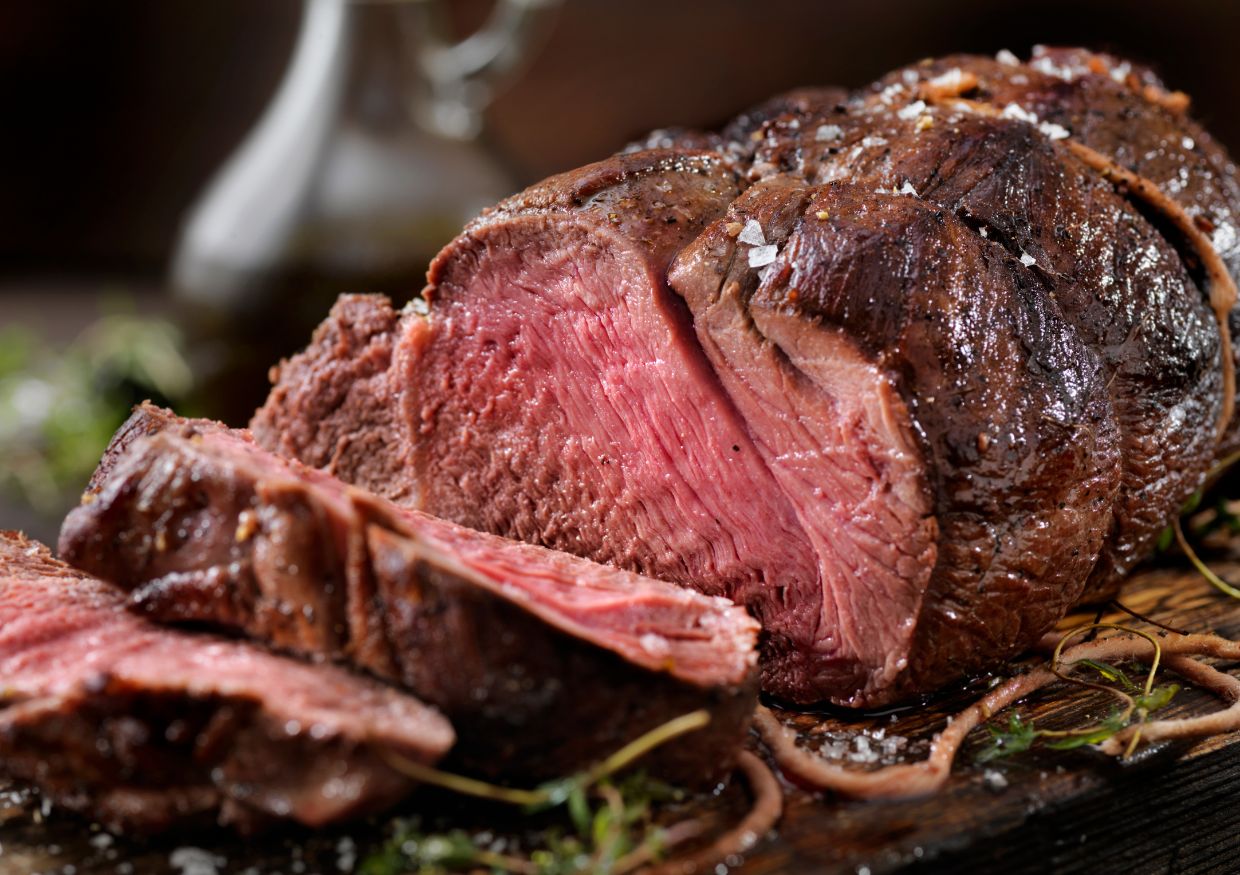
Venison is the meat that comes from deer. The word originally referred to meat from any wild game animal, but today it most commonly means deer meat.
Venison can come from:
- Wild deer (such as red deer or roe deer in the UK)
- Farm-raised deer
In the UK and many parts of Europe, venison is often sourced during managed deer culls to help control population levels.
Is Venison Good for Dogs?
Venison (deer meat) is a lean, high-quality protein that can be a fantastic addition to your dog’s diet.
Nutritional Benefits of Venison for Dogs
Venison is:
- High in protein – Supports muscle development and overall health
- Lower in fat than many traditional meats like beef
- Rich in iron – Supports healthy red blood cells
- Packed with B vitamins – Including B6 and B12 for energy and metabolism
- A good source of zinc and phosphorus – Important for immune function and bone health
Because venison is considered a novel protein, it’s often used in limited-ingredient or elimination diets for dogs with food sensitivities.
Is Venison Good for Dogs with Allergies?
Venison is commonly used in hypoallergenic dog foods. Many dogs develop sensitivities to common proteins like chicken or beef. Since venison is less commonly fed, it may reduce allergic reactions such as:
- Itchy skin
- Ear infections
- Digestive upset
- Excessive paw licking
However, every dog is different. If your dog has ongoing allergy symptoms, it’s best to consult your vet before making major diet changes.
How to Cook Venison for Dogs
When preparing venison for your dog, keep it simple and plain and avoid salt, seasoning, marinades and sauces. Dogs don’t need seasoning like us, and some ingredients like onions, are toxic to them.
- Boiling
- Baking
- Slow cooking
- Pan-cooking without oil
Should Venison Be Cooked or Raw?
Venison can be fed raw as part of a properly balanced raw diet, but raw feeding requires careful handling to avoid bacterial contamination.
For most pet owners, fully cooking venison is the safest and simplest option as it helps eliminate harmful bacteria and parasites.
Cook until:
- There is no pink remaining
- Internal temperature reaches at least 71°C (160°F)
Sourcing Venison for Dogs
Venison can be sourced from:
- Local butchers
- Supermarkets
- Farm shops
- Wild game suppliers
- Hunters (if properly processed)
What to Look For
- Fresh, bright red meat
- No strong or sour smell
- Proper refrigeration
- No added seasoning
If using wild venison, ensure it has been professionally processed and inspected where possible.
Potential Warnings and Safety Considerations
While venison is generally safe, there are a few things to keep in mind.
1. Parasites and Bacteria
Wild game can carry parasites or bacteria. Proper cooking reduces this risk significantly.
2. Bones
Never feed cooked deer bones. Cooked bones can splinter and cause:
- Choking
- Internal injury
- Digestive blockages
Raw bones should only be given under supervision and if appropriate for your dog’s size and chewing style.
3. High Protein Diets
Dogs with kidney disease or certain medical conditions may need controlled protein intake. Always check with your vet if your dog has health concerns.
4. Richness
Venison is lean but still rich. Introduce it slowly to avoid digestive upset.
Venison vs Beef for Dogs
Venison can be ideal for dogs who need leaner protein or are trying a protein rotation. Beef remains a nutritious and budget-friendly staple for many dogs.
| Feature | Venison | Beef |
|---|---|---|
| Fat Content | Leaner | Higher fat |
| Allergy Potential | Lower (novel protein) | More common allergen |
| Iron Content | High | High |
| Availability | Less common | Widely available |
| Flavor | Rich, slightly sweet | Deep, hearty |
How Much Venison Can Dogs Eat?
Venison should be fed:
- As part of a balanced homemade diet, or
- As an occasional treat
If feeding as part of a homemade meal, it should be balanced with:
- A calcium source (such as ground eggshell powder)
- Healthy fats (if needed)
- Vegetables
- Organ meats (in appropriate ratios)
Serving Suggestions
Here are a few simple ways to serve venison to your dog:
Venison & Veg Bowl
Cooked venison mixed with:
- Steamed carrots
- Courgette
- Spinach
Add a calcium supplement for balance.
Venison Training Treats
- Cook ground venison
- Spread thin on a baking tray
- Bake until firm
- Cut into small cubes
Perfect high-value treats!
Slow Cooker Venison Stew
Combine:
- Venison chunks
- Pumpkin
- Green beans
- Sweet potato
Cook until tender and portion into freezer containers.
Can Puppies Eat Venison?
Yes, but puppies require carefully balanced nutrition for proper growth.
If feeding venison to a puppy:
- Ensure meals meet calcium and phosphorus requirements
- Avoid using it as the sole protein unless professionally formulated
- Consult your vet for tailored advice
Homemade Venison Dog Food Recipes