
Can Dogs Eat Chayote
When it comes to our pets, we often wonder if they can safely enjoy some of the foods we eat. One such food is chayote, a lesser-known fruit that’s gaining popularity in various cuisines. But can dogs eat chayote? Let’s delve into this question, explore its nutritional benefits, and discover the best ways to prepare it for your furry friend.

What is Chayote?
Chayote, also known as vegetable pear, mirliton, or choko, is a type of squash that’s native to Central and South America. It’s a member of the gourd family, which includes cucumbers, pumpkins, and zucchinis. Chayote is a green, wrinkled fruit that resembles a pear and can be eaten both raw and cooked. It’s a staple in many dishes across the world, particularly in Latin American and Caribbean cuisines.
Nutritional Benefits of Chayote
Chayote is not just a versatile ingredient but also a nutritious one. Here’s a breakdown of its key nutrients:
- Vitamins: Chayote is rich in vitamins C and B, including folate, which support the immune system, aid in cellular function, and promote healthy skin and coat in dogs.
- Minerals: It contains potassium, which is essential for heart health, muscle function, and maintaining proper fluid balance in the body.
- Fiber: The high fiber content can aid in digestion and help prevent constipation in dogs.
- Antioxidants: Chayote is packed with antioxidants that help fight inflammation and support overall health.
Can Dogs Eat Chayote?
Yes, dogs can eat chayote, but it should be given in moderation. This fruit is not toxic to dogs and can be a healthy addition to their diet if prepared correctly. However, as with any new food, it’s crucial to introduce it slowly and observe your dog for any adverse reactions.
Remember to go slowly when introducing new foods. And we recommend checking with your veterinarian first if your dog has any digestive issues or other health concerns.
How to Prepare Chayote for Dogs
To safely include chayote in your dog’s diet, follow these preparation tips:
- Cook Thoroughly: Always cook chayote before serving it to your dog. Raw chayote can be difficult for dogs to digest and might cause gastrointestinal upset. Steaming, boiling, or baking are good methods to ensure the fruit is tender and easy to digest.
- Remove the Skin: The skin of chayote can be tough and difficult for dogs to chew and digest. Peel it before cooking.
- Avoid Seasonings: When preparing chayote for your dog, avoid adding salt, spices, or other seasonings. These can be harmful to dogs and may lead to digestive issues.
- Cut into Small Pieces: After cooking and peeling, cut the chayote into small, manageable pieces to prevent choking hazards and make it easier for your dog to eat.
Ways to Cook Chayote for Dogs
Here are some simple and healthy ways to prepare chayote for your canine companion:
- Steamed Chayote: Steaming chayote is one of the easiest methods. Cut the chayote into small cubes and steam until tender. Allow it to cool before serving it to your dog.
- Boiled Chayote: Boil chayote in plain water until soft. Drain and let it cool before cutting it into small pieces. This method is also effective for making chayote easier to digest.
- Baked Chayote: For a different texture, you can bake chayote. Slice it into thin pieces and bake at a low temperature until soft. Ensure it is fully cooled before offering it to your dog.
Portion Size and Frequency
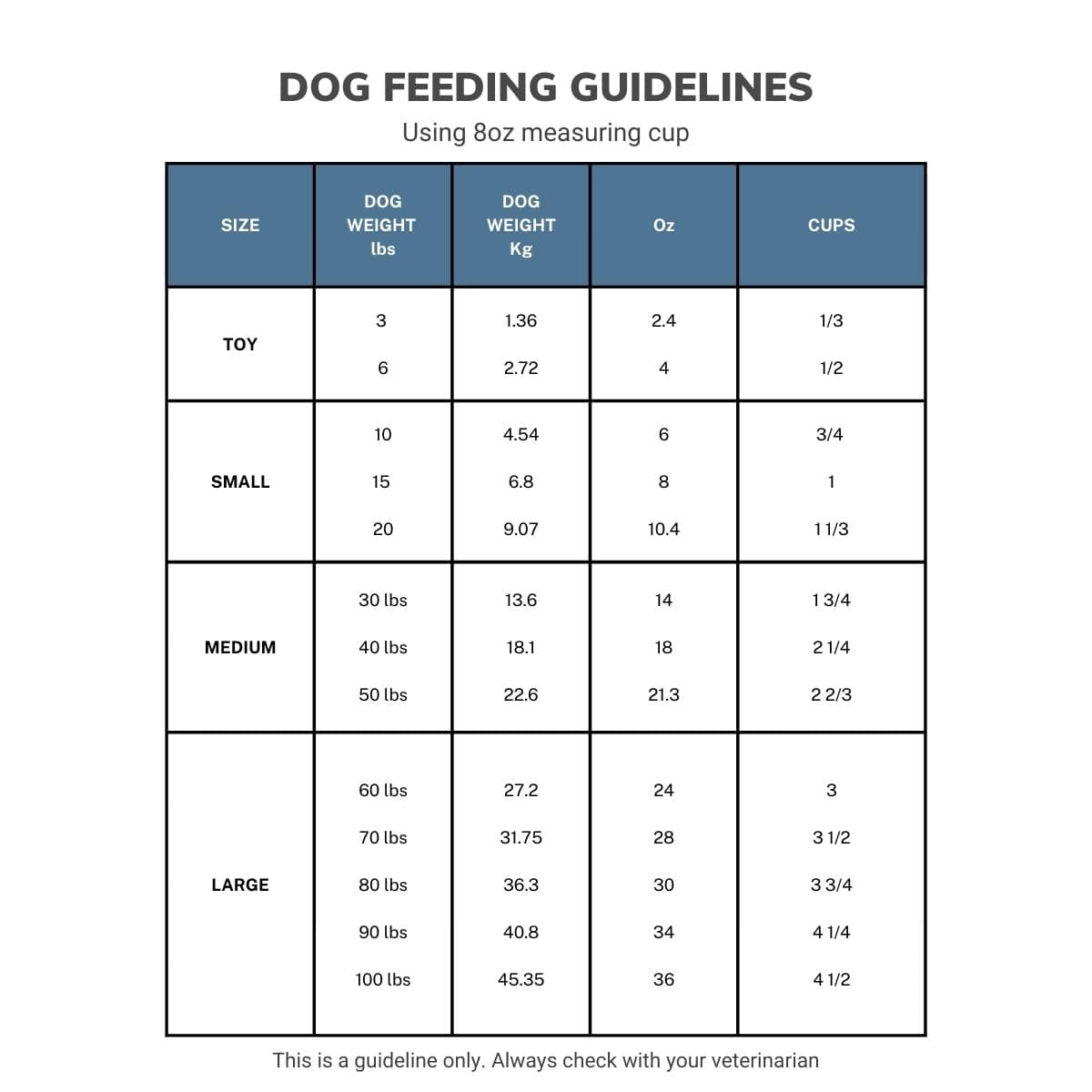
When introducing chayote into your dog’s diet, start with small amounts. A few small pieces mixed into their regular food is a good starting point. Monitor your dog’s response and adjust the portion size as needed. Chayote should be considered a treat or supplement, not a staple of their diet. Generally, treats should make up no more than 10% of your dog’s daily caloric intake.
Potential Benefits for Dogs
Including chayote in your dog’s diet can offer several benefits:
- Digestive Health: The fiber in chayote supports healthy digestion and can help manage constipation.
- Immune Support: Vitamins C and B in chayote can help boost your dog’s immune system.
- Healthy Skin and Coat: The nutrients in chayote contribute to a shiny coat and overall skin health.
Precautions and Considerations
While chayote is generally safe for dogs, there are a few precautions to keep in mind:
- Allergies: Always monitor your dog for any signs of allergies or gastrointestinal distress when introducing a new food.
- Underlying Health Issues: If your dog has specific health conditions or dietary restrictions, consult your veterinarian before adding new foods to their diet.
- Balance: Chayote should not replace a balanced, commercial dog food. It should complement their existing diet.
Conclusion
Chayote can be a healthy and enjoyable treat for your dog when prepared correctly. Its rich nutrient profile offers several benefits that can contribute to your dog’s overall well-being. Just remember to cook it thoroughly, avoid seasonings, and serve it in moderation. As always, when introducing new foods into your pet’s diet, it’s a good idea to consult with your veterinarian to ensure it aligns with their specific health needs.
By understanding how to properly incorporate chayote into your dog’s diet, you can offer them a tasty and nutritious treat that adds variety and supports their health.
