
Easy Cottage Cheese Dog Recipes
In this collection of easy cottage cheese dog recipes, you’ll find our favorite cottage cheese dog recipes, including frozen treats for warm days, healthy snacks, homemade biscuits and nutritious meal ideas. Every recipe has been created with dog-friendly ingredients and simple methods, making them perfect whether you’re new to baking for your dog or already enjoy making homemade treats.
Cottage cheese is one of those ingredients that many dog owners already have sitting in the fridge, yet it often gets overlooked when making homemade dog treats and meals. It’s creamy, packed with protein, and can add extra flavor and texture to everything from frozen treats to baked biscuits. As a low carb food blogger cottage cheese has a permanent place in our fridge shelves, so it’s great to be able to use this for the dogs too!
If your dog tolerates dairy, cottage cheese can be a wonderful ingredient to include in moderation. It blends easily with fruit, vegetables and lean proteins, making it incredibly versatile for both everyday treats and special homemade recipes.
If you’re wondering whether dogs can safely eat cottage cheese, we’ve also included some helpful tips below before you get started.

This post may contain affiliate links. Please read my disclosure policy for more information.
Is Cottage Cheese Safe For Dogs?
Yes, plain cottage cheese is generally safe for dogs in moderation, and it’s actually a popular ingredient in homemade dog treats because it’s a good source of protein and calcium.
A few things worth noting:
Good points:
- Low in fat compared to many other dairy products (especially low-fat or fat-free versions)
- Contains casein protein along with beneficial probiotics in some brands
- Often tolerated better than milk since the curdling process breaks down some lactose
Cautions:
- Lactose sensitivity — many dogs are lactose intolerant to some degree. Even though cottage cheese has less lactose than milk, it can still cause gas, bloating, or loose stools in sensitive dogs
- Sodium content — regular cottage cheese can be fairly high in sodium, which isn’t great for dogs with heart or kidney issues. Low-sodium varieties are better
- Plain only — no added flavors, garlic, onion, chives, or sweeteners (some flavored cottage cheeses contain xylitol-containing add-ins, which is toxic to dogs)
- Moderation — a spoonful or two mixed into food is plenty; it shouldn’t become a meal replacement or daily staple
If a dog has never had it before, starting with a small amount is a good way to check for tolerance before making it a regular addition.
Benefits of Cottage Cheese For Dogs
When fed in moderation, plain cottage cheese can be a healthy addition to your dog’s diet. It’s naturally rich in protein to help support strong muscles, while also providing calcium and phosphorus for healthy bones and teeth. Cottage cheese is softer and lower in lactose than many other cheeses, making it easier for some dogs to digest, although it isn’t suitable for dogs with dairy sensitivities. Its creamy texture also makes it a versatile ingredient for homemade treats, frozen snacks and meal toppers that many dogs love.
Key benefits include:
- 🐾 High in protein to help maintain lean muscle.
- 🦴 Provides calcium and phosphorus for healthy bones and teeth.
- 💪 Contains vitamin B12 to support normal nerve function and energy metabolism.
- 🥄 Soft, creamy texture that’s ideal for puppies and senior dogs.
- ❄️ Perfect for frozen treats, lick mats and homemade recipes.
- 🍽️ Lower in fat than many other cheeses, especially low-fat varieties.
- 😋 Highly palatable, making it useful for encouraging picky eaters or disguising medication.
As with any treat or new ingredient, serve cottage cheese in moderation and choose a plain, unsalted variety with no added herbs, garlic, onions or artificial sweeteners.
Which Cottage Cheese Is Best?
- Plain
- Low sodium
- No added flavours
- Low-fat or full-fat depending on your dog’s diet
- No artificial sweeteners
Our Favorite Cottage Cheese Dog Recipes
Whether you’re looking for a refreshing frozen treat, a protein-packed breakfast or a wholesome homemade snack, these cottage cheese dog recipes offer something for every pup. Cottage cheese pairs beautifully with dog-friendly ingredients like fruit, vegetables and lean proteins, making it a versatile addition to all kinds of homemade recipes. Browse our collection below and discover simple, delicious ways to add this creamy ingredient to your dog’s menu. As we create more cottage cheese recipes, we’ll continue to add them here, so be sure to check back for new ideas.
Banana Dog Treats
Made with nutritious ingredients like bananas, cottage cheese and chia seeds, they provide a boost of fiber, protein and antioxidants.

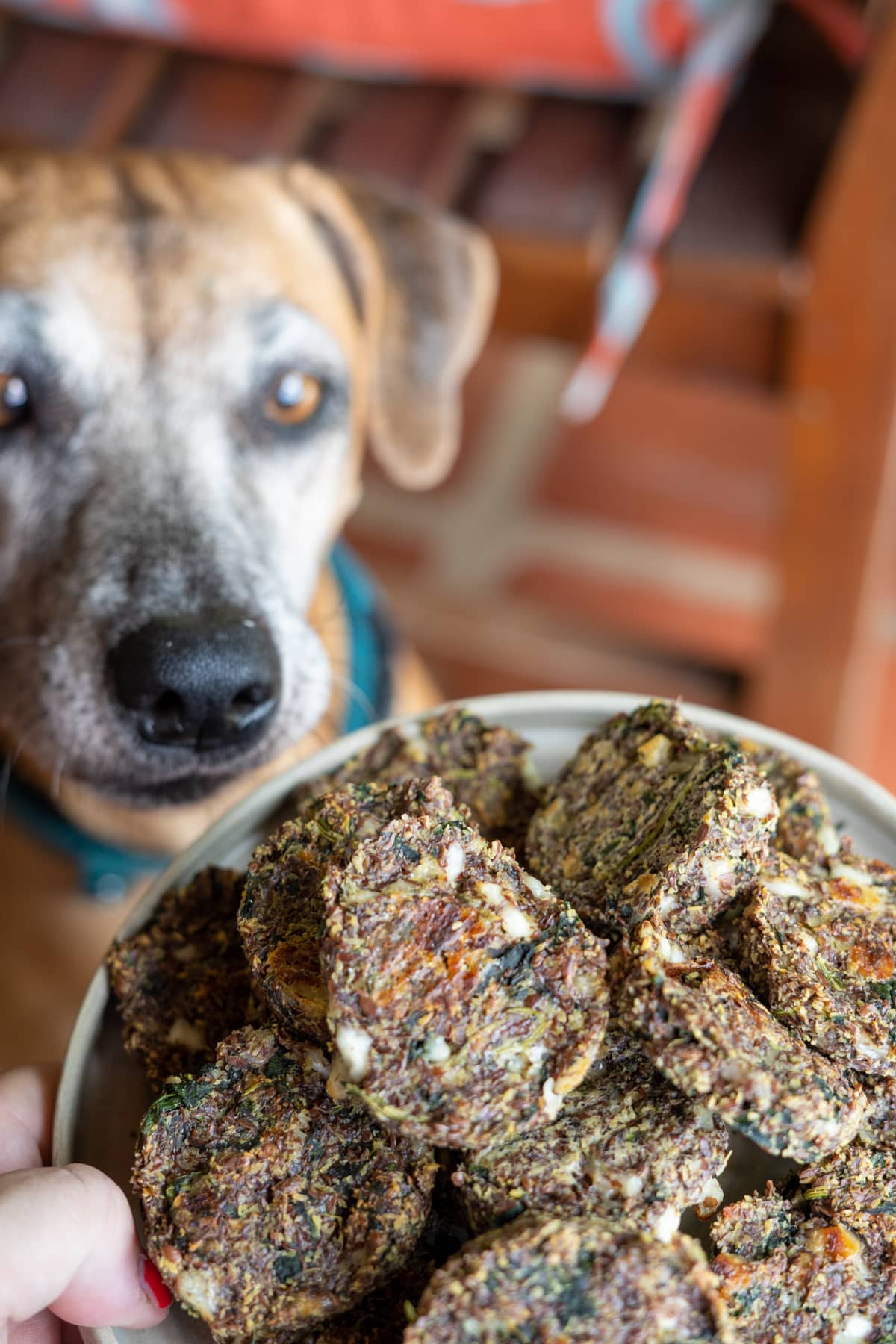
Cottage Cheese Dog Treats
Easy, 4 ingredient dog treats with cottage cheese, spinach, ground flaxseed and egg for a low carb and grain free dog treat.

Blueberry Dog Ice Cream
Packed with antioxidants and protein, these easy frozen bites are ideal for warm days.

Strawberry Dog Ice Cream
Fresh strawberries, cottage cheese and Greek yogurt make a cooling summer snack your dog will love.

Apple Strawberry Dog Ice Cream
A refreshing frozen treat combining sweet apples and strawberries with creamy cottage cheese.


Ground Beef Meatloaf
Made with ingredients like zucchini, cottage cheese and coconut flour, this recipe supports healthy digestion, muscle growth and overall well-being.

Turkey Breakfast Bowl
FAQs
The amount depends on your dog’s size and overall diet. Cottage cheese should be treated as an occasional addition rather than a main meal.
As a general guide:
Small dogs: 1–2 teaspoons
Medium dogs: 1–2 tablespoons
Large dogs: 2–4 tablespoons
If your dog has never eaten cottage cheese before, start with a small amount and watch for any signs of digestive upset.
Yes, puppies can enjoy small amounts of plain cottage cheese as an occasional treat, provided they don’t have a sensitivity to dairy. Introduce it gradually and remember that puppies should receive most of their nutrition from a complete and balanced puppy food.
While cottage cheese is nutritious, it shouldn’t become a daily staple for most dogs. Feeding it a few times a week as part of a balanced diet is usually a better approach. Too much dairy can lead to digestive upset or unnecessary calories, particularly for less active dogs.
Both regular and low-fat plain cottage cheese can be suitable. If your dog is overweight, has pancreatitis, or needs a lower-fat diet, low-fat cottage cheese is generally the better choice. If you’re unsure which is most appropriate, ask your veterinarian.
Some dogs are sensitive to lactose and may experience diarrhoea, gas or stomach discomfort after eating dairy products. Although cottage cheese usually contains less lactose than milk, it isn’t suitable for every dog. If your dog has previously reacted to dairy, it’s best to avoid it.
Choose a plain, unsalted cottage cheese with as few ingredients as possible. Avoid varieties containing added herbs, garlic, onions, chives, artificial sweeteners or flavourings, as some of these ingredients can be harmful to dogs. Reading the ingredient label before serving is always a good idea.