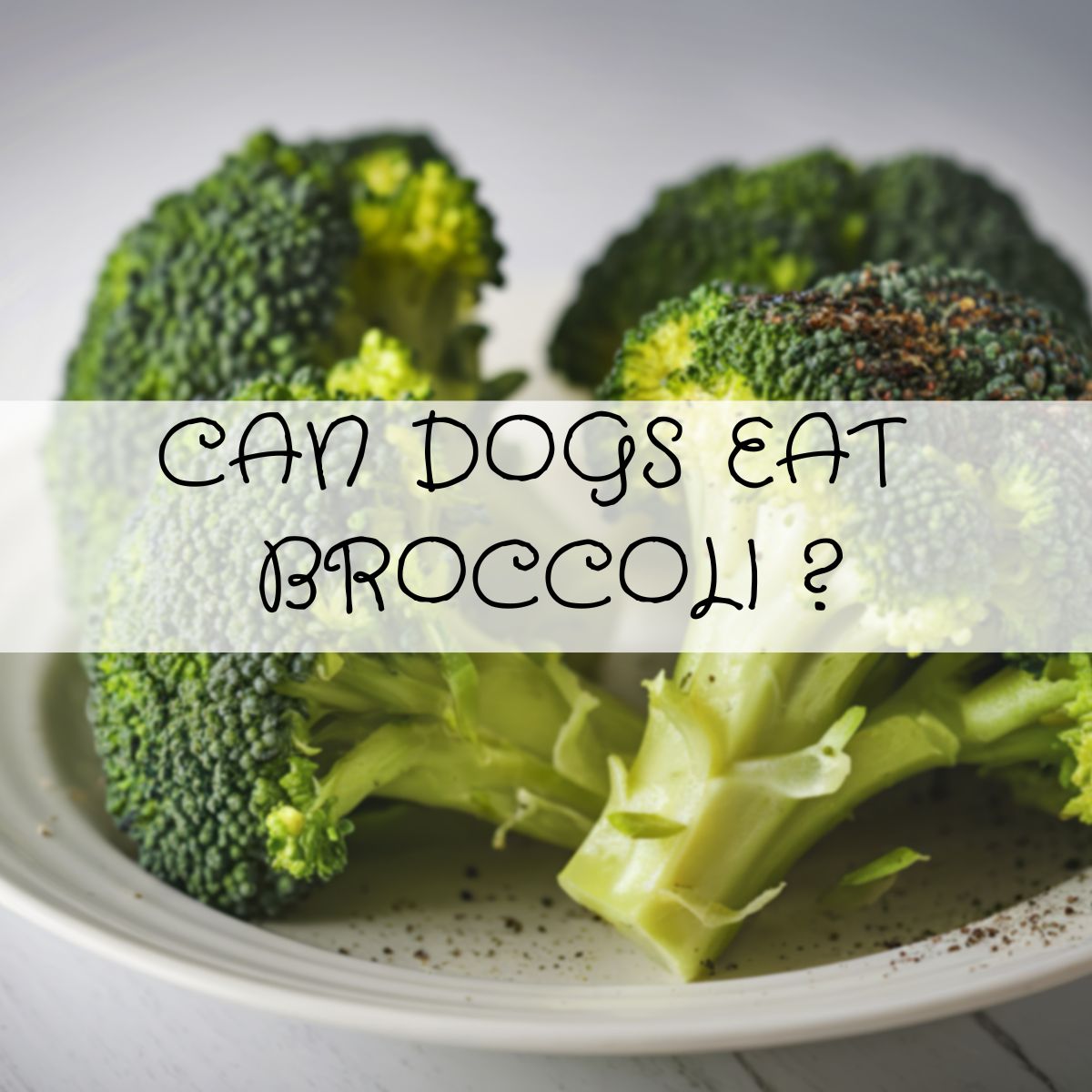
Can Dogs Eat Broccoli?
If you’ve ever dropped a piece of broccoli while cooking dinner and watched your dog dive for it, you’ve probably asked yourself: can dogs eat broccoli safely? The short answer is yes — broccoli is generally safe for dogs in moderation. But like most “people foods,” there’s more to the story than a simple yes or no.
Is Broccoli Safe for Dogs?
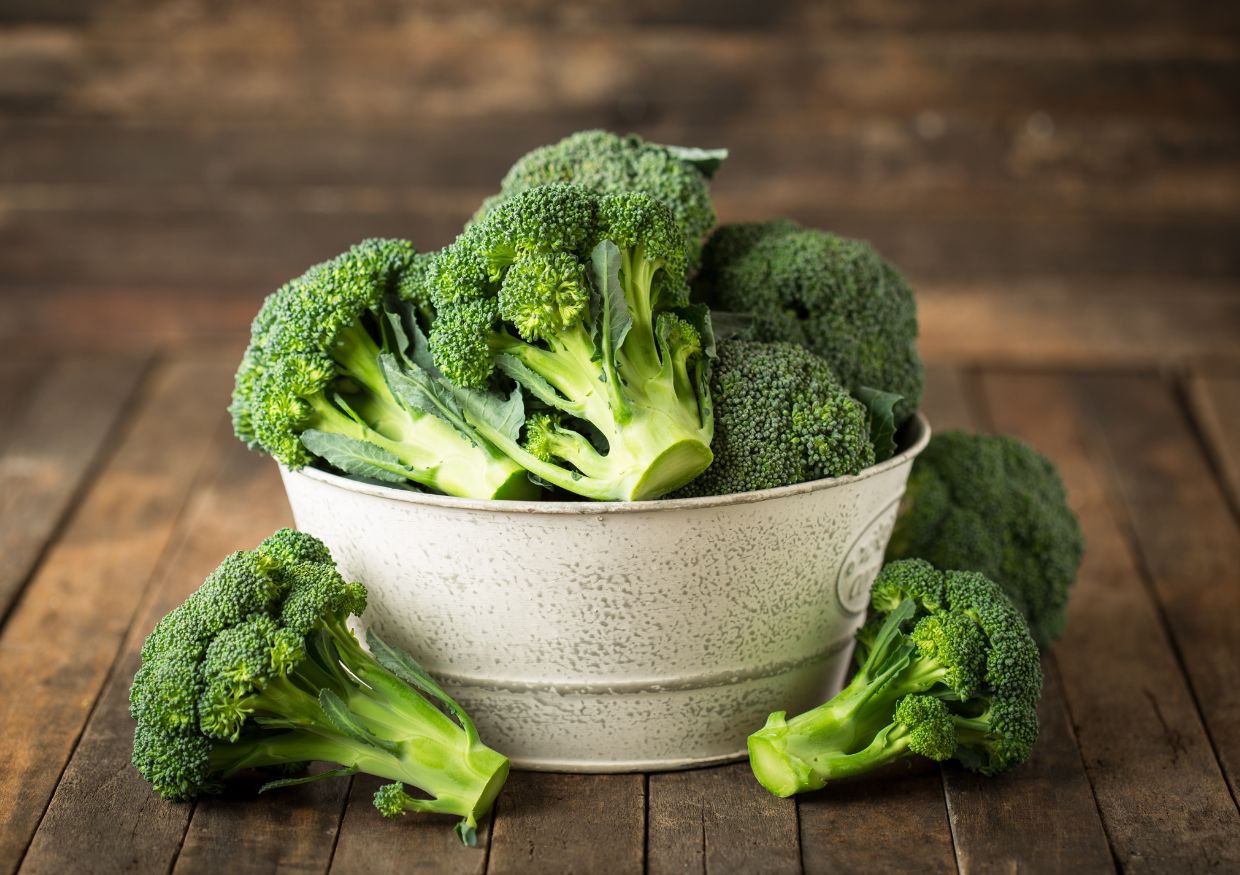
Yes, broccoli is safe for dogs to eat in small, controlled amounts. It’s a low-calorie, nutrient-dense vegetable that many dogs enjoy as a crunchy snack or a healthy addition to their regular meals. Veterinarians and canine nutritionists generally agree that broccoli can be a healthy occasional treat when prepared properly and fed in moderation.
That said, broccoli isn’t completely risk-free. It contains a compound called isothiocyanate, which can cause mild to moderate gastrointestinal irritation in some dogs, especially if they eat too much. This is why portion control is key.
Nutritional Benefits of Broccoli for Dogs
Broccoli isn’t just safe — it can actually be a nutritious addition to your dog’s diet when given the right way. Here’s what it brings to the table:
- Fiber – Supports healthy digestion and regular bowel movements.
- Vitamin C – An antioxidant that supports immune health.
- Vitamin K – Important for healthy blood clotting and bone health.
- Folate – Supports cell function and growth.
- Potassium – Helps with muscle and nerve function.
- Low in calories and fat – Makes it a great treat alternative for dogs on a diet or prone to weight gain.
Because it’s so low in calories, broccoli can be a smart swap for higher-calorie commercial treats, especially for dogs who need to watch their weight.
The Risks of Feeding Broccoli to Dogs
While broccoli offers real benefits, there are a few things to watch out for:
1. Isothiocyanates and Stomach Upset
The isothiocyanates found in broccoli florets can be toxic to dogs in large quantities. Signs of overconsumption may include gas, bloating, vomiting, or diarrhea. This is generally only a concern if broccoli makes up a large portion of your dog’s diet, not the occasional bite.
2. Choking Hazard
Broccoli stalks and florets can pose a choking risk, particularly for small dogs or dogs who tend to gulp their food. Always cut broccoli into small, manageable pieces before serving.
3. Seasonings and Additives
Broccoli cooked with garlic, onions, butter, oil, or heavy seasoning can be harmful or even toxic to dogs. Garlic and onions in particular are toxic to dogs and should never be included. Always serve broccoli plain.
How Much Broccoli Can Dogs Eat?
The general rule of thumb among veterinarians is that broccoli should make up no more than 10% of your dog’s daily food intake, following the standard guidance for treats and non-staple foods.
As a practical guide:
- Small dogs: A few small florets, once or twice a week
- Medium dogs: A small handful of florets
- Large dogs: A slightly larger handful, but still in moderation
If you’re introducing broccoli for the first time, start with just a small piece and watch for any signs of digestive upset over the next 24 hours before offering more.
Raw or Cooked: Which Is Better?
Both raw and cooked broccoli are safe for dogs, but each has pros and cons:
Raw broccoli
- Retains more nutrients
- Adds a satisfying crunch dogs often enjoy
- Slightly higher choking risk if not cut small
Cooked broccoli
- Easier to chew and digest, especially for older dogs or those with dental issues
- Should be steamed or boiled with no oil, butter, salt, or seasoning
- Softer texture reduces choking risk
Whichever method you choose, always serve broccoli plain, cooled, and cut into small, bite-sized pieces appropriate for your dog’s size.
What About Broccoli Stalks and Stems?
Broccoli stems are safe for dogs but are tougher and harder to chew than the florets. If you offer stalks, chop them into small pieces or lightly steam them to soften the texture and reduce the choking risk.
Dogs Who Should Avoid Broccoli
Broccoli isn’t right for every dog. You should talk to your vet before adding it to your dog’s diet if your dog:
- Has a sensitive stomach or a history of digestive issues
- Has been diagnosed with thyroid problems (cruciferous vegetables can affect thyroid function in large amounts)
- Is on a specialized or prescription diet
- Has known food sensitivities to vegetables
When in doubt, a quick check with your veterinarian is always the safest move.
Simple Ways to Add Broccoli to Your Dog’s Diet
Looking for fun, dog-safe ways to serve broccoli? Try these ideas:
- Mix small steamed florets into their regular kibble
- Freeze small pieces for a cool, crunchy summer treat
- Blend cooked broccoli into a homemade dog-safe puree
- Combine with other dog-safe vegetables like carrots or green beans for a veggie mix-in

Homemade Recipes with Broccoli for Dogs
As well as incorporating broccoli into our dog food, we have added it to a few homemade dog treat recipes too:
FAQs
Puppies can eat small amounts of broccoli, but their digestive systems are more sensitive. Introduce it slowly and in very small quantities.
It’s best not to feed broccoli daily. Occasional servings, a few times a week at most, are safer than making it a daily staple.
Yes, plain frozen broccoli (with no seasoning or sauce) is safe and can even serve as a cooling treat.
Broccoli is naturally low in calories and high in fiber, making it a satisfying snack for overweight dogs when offered as part of a veterinarian-approved weight management plan.