Can Dogs Eat Scrambled Eggs? A Complete Guide for Dog Owners
Yes, dogs can eat scrambled eggs, provided they are cooked plainly without butter, oil, milk, cheese, onions, garlic, or seasonings. Plain scrambled eggs are an excellent source of high-quality protein, healthy fats, vitamins, and minerals, making them a nutritious occasional addition to your dog’s diet.
Many dogs love the soft texture and rich flavor of scrambled eggs, making them especially useful for puppies, senior dogs, picky eaters, or dogs recovering from illness (with your veterinarian’s approval).
However, while scrambled eggs are healthy, they should be served in moderation and as part of a balanced diet rather than replacing complete dog food.
This post may contain affiliate links. Please read my disclosure policy for more information.
Are Scrambled Eggs Good for Dogs?
Absolutely. Eggs are often considered one of nature’s most complete foods.
They contain almost everything needed to support growth and development, which is why they’re frequently included in homemade dog food recipes and recommended as a nutritious topper.
When scrambled simply—with nothing added—they’re safe, digestible, and packed with nutrients.
Benefits of Scrambled Eggs for Dogs
Excellent Source of Protein
Eggs provide highly digestible protein that helps support:
- Muscle growth
- Tissue repair
- Healthy skin
- Strong immune function
Protein is especially important for active dogs, growing puppies, and senior dogs maintaining muscle mass.
Rich in Healthy Fats
Egg yolks contain beneficial fats that help support:
- Healthy skin
- A shiny coat
- Brain function
- Energy levels
Healthy fats also improve the absorption of fat-soluble vitamins.
Packed with Vitamins
Scrambled eggs naturally contain several important vitamins, including:
- Vitamin A
- Vitamin D
- Vitamin E
- Vitamin B2 (Riboflavin)
- Vitamin B12
- Folate
These nutrients contribute to vision, immunity, metabolism, and overall health.
Great Source of Minerals
Eggs also provide important minerals such as:
- Selenium
- Iron
- Zinc
- Phosphorus
Together, these nutrients support immune health, red blood cell production, and healthy bones.
Easy to Digest
Plain cooked eggs are generally gentle on the digestive system.
Because they’re soft and moist, scrambled eggs can be easier to chew than kibble, making them ideal for:
- Older dogs
- Dogs with dental issues
- Dogs recovering from surgery (if recommended by your vet)
Can Puppies Eat Scrambled Eggs?
Yes.
Puppies can enjoy small amounts of plain scrambled eggs once they’ve been fully weaned.
The protein supports healthy growth, while the vitamins and minerals contribute to developing muscles and bones.
Keep portions small so they don’t replace the balanced nutrition found in puppy food.
How to Cook Scrambled Eggs for Dogs
The healthiest scrambled eggs are also the simplest.
Ingredients
- Eggs
- Optional splash of water
Instructions
- Crack the eggs into a bowl.
- Whisk until combined.
- Add a tablespoon of water if you’d like a fluffier texture.
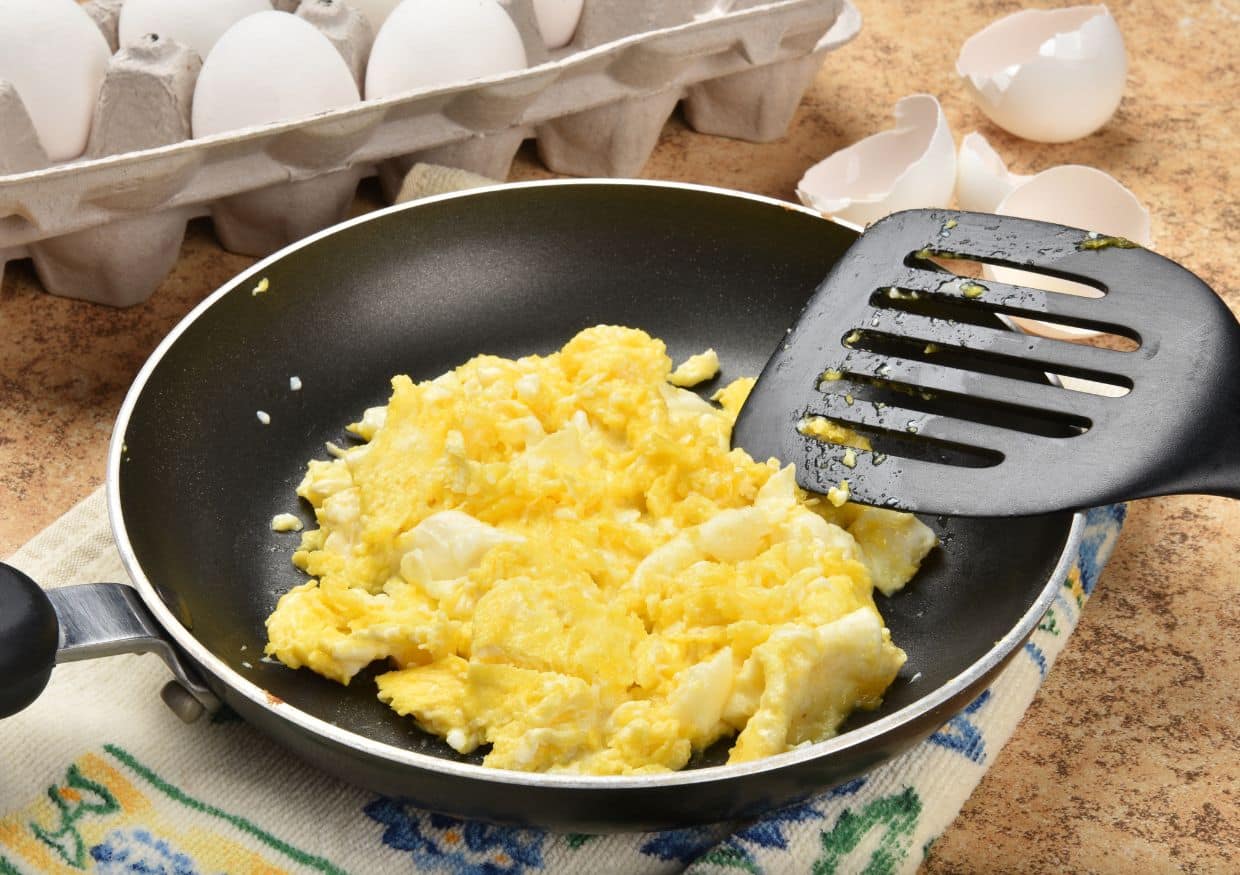
- Cook slowly in a non-stick pan over medium-low heat.
- Stir gently until fully cooked.
- Allow to cool before serving.
That’s it. No butter. No oil. No milk. No cheese. No salt or pepper.
Ingredients to Avoid
Many scrambled eggs prepared for people contain ingredients that aren’t suitable for dogs.
Avoid adding:
- Butter
- Cooking oils
- Salt
- Pepper
- Garlic
- Onion
- Chives
- Cheese (especially processed cheese)
- Cream
- Milk
- Hot sauce
- Herbs containing garlic or onion powder
Even small amounts of onion can be harmful to dogs.
Can Dogs Eat Scrambled Eggs with Milk?
It’s best not to.
While a small amount of milk isn’t usually dangerous, many adult dogs are lactose intolerant.
Milk can sometimes cause:
- Gas
- Diarrhea
- Stomach upset
Water works just as well if you want fluffier eggs.
Can Dogs Eat Scrambled Eggs with Butter?
Butter isn’t toxic, but it adds unnecessary fat and calories.
Regularly feeding buttery eggs may contribute to:
- Weight gain
- Digestive upset
- Pancreatitis in susceptible dogs
Plain scrambled eggs are the healthier option.
Can Dogs Eat Scrambled Eggs Every Day?
Most healthy dogs don’t need eggs every day.
Although eggs are nutritious, they’re not nutritionally complete on their own.
Too many eggs can also add extra calories.
For most dogs:
- 1–3 times per week is plenty as a treat or meal topper.
If you’re feeding homemade diets regularly, work with your veterinarian or a veterinary nutritionist to ensure the diet remains balanced.
How Many Scrambled Eggs Can Dogs Eat?
Portion size depends on your dog’s size and overall diet.
| Dog Size | Suggested Serving |
|---|---|
| Extra small (under 10 lbs / 4.5 kg) | ¼ egg |
| Small (10–20 lbs / 4.5–9 kg) | ½ egg |
| Medium (20–50 lbs / 9–23 kg) | 1 egg |
| Large (50–90 lbs / 23–41 kg) | 1–2 eggs |
| Giant (90+ lbs / 41+ kg) | Up to 2 eggs |
These amounts work well as an occasional treat or food topper rather than a complete meal.
Can Dogs Be Allergic to Eggs?
Yes, although it’s relatively uncommon.
Signs of an egg allergy may include:
- Itchy skin
- Ear infections
- Vomiting
- Diarrhea
- Excessive licking
- Hives
If you’re feeding eggs for the first time, offer a small amount and watch your dog over the next 24 hours.
If you notice any concerning symptoms, stop feeding eggs and contact your veterinarian.
We have a range of egg free dog treat recipes HERE
Creative Ways to Serve Scrambled Eggs
Plain scrambled eggs are delicious on their own, but they also pair well with dog-friendly ingredients.
Try serving them with:
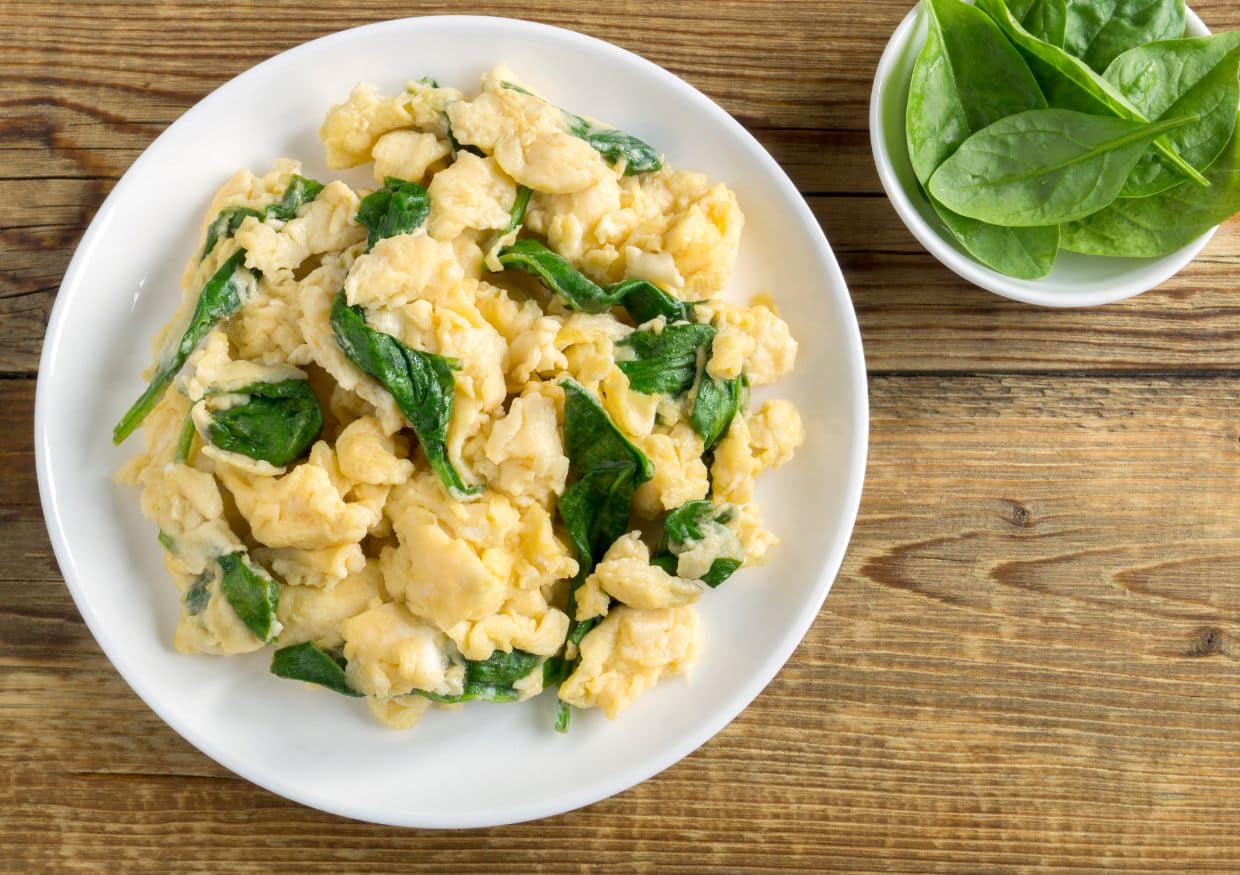
- Cooked pumpkin
- Sweet potato
- Green beans
- Broccoli
- Spinach
- Salmon
- Turkey
- Chicken
- Cottage cheese
- Sardines
- Bone broth
These combinations make excellent breakfast bowls or meal toppers.
Can Dogs Eat Cold Scrambled Eggs?
Yes.
Once cooked and refrigerated, scrambled eggs can be served cold if your dog enjoys them.
Store cooked eggs in an airtight container in the refrigerator and use within 2–3 days.
Do Scrambled Eggs Help Dogs with Upset Stomachs?
Sometimes.
Because they’re soft and easy to digest, plain scrambled eggs may be tolerated by dogs recovering from mild digestive upset.
However, they aren’t a replacement for a bland diet recommended by your veterinarian.
If vomiting or diarrhea continues for more than 24 hours—or your dog seems lethargic, won’t drink, or has blood in their stool—seek veterinary advice.
FAQs
It’s best to avoid cheese. While small amounts may not harm every dog, cheese adds extra fat and many dogs have difficulty digesting dairy.
No. Bacon is high in fat and salt, making it an unhealthy addition for dogs.
The eggs themselves are the healthier part. Plain toast isn’t toxic but offers little nutritional value, so it’s better to skip it.
Many diabetic dogs can safely eat plain scrambled eggs because they’re high in protein and low in carbohydrates. However, dietary needs vary, so always follow your veterinarian’s advice.
Whole eggs are generally the better choice because the yolk contains many valuable vitamins, minerals, and healthy fats. Egg whites provide excellent protein, but feeding the whole egg offers more complete nutrition.
Yes. Their soft texture makes them easy to chew, while the protein helps support muscle maintenance in older dogs.
A tiny amount of olive oil isn’t usually harmful, but it’s unnecessary. Cooking eggs in a non-stick pan without added fat is the healthiest option.