Can Dogs Eat Apricots? A Complete Guide for Dog Owners
Apricots are sweet, juicy fruits that people love in the summer. If you catch your dog staring at your snack with those hopeful puppy eyes, you might wonder whether it’s okay to share a piece.
The short answer: dogs can eat apricots in moderation. But there are important safety points every dog owner should know before offering this fruit.
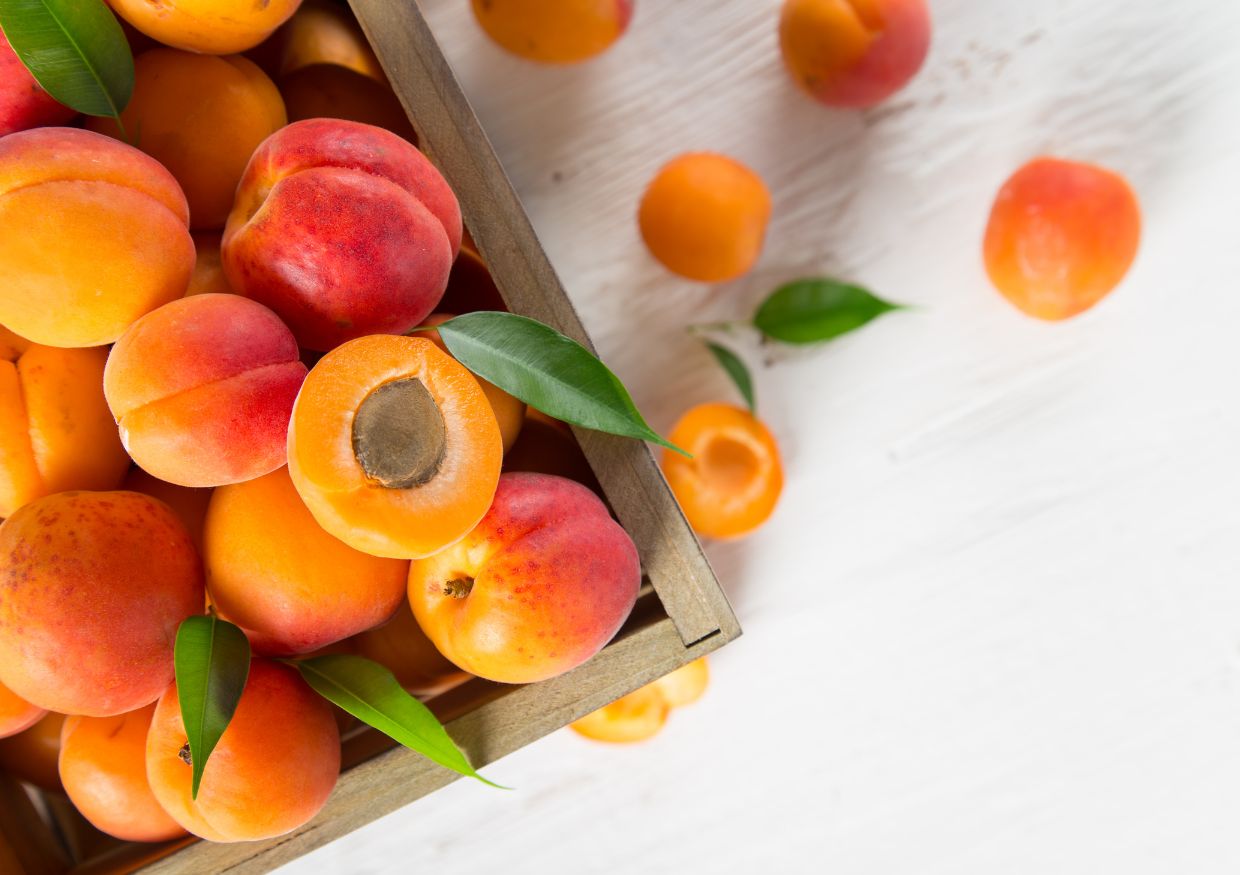
Like any fruit, moderation is key. When offered in small amounts as part of a balanced diet, apricots can be a tasty, refreshing treat for many dogs.
Are Apricots Safe for Dogs?
Yes, the flesh of ripe apricots is usually safe for dogs to eat. They can be an occasional healthy treat and bring some useful nutrients.
The soft, orange flesh is low in fat and supplies vitamins, minerals, and antioxidants that can support your dog’s overall health. But not all parts are safe. The pit, stem, and leaves contain compounds that can be toxic and should never be given to dogs.
Nutritional Benefits of Apricots for Dogs
When fed in moderation, apricots offer several nutrients:
- Vitamin A: Supports healthy vision, immune function, and skin health.
- Vitamin C: Dogs make their own vitamin C, but small amounts from fruit provide extra antioxidant support.
- Fiber: May help support healthy digestion and regular bowel movements.
- Potassium: Helps with proper muscle function, nerve signaling, and fluid balance.
- Antioxidants: Includes beta-carotene, which may help combat oxidative stress.
What Parts of an Apricot Are Dangerous for Dogs?
Apricot Pits
The pit is the most dangerous part. It contains amygdalin, which can release cyanide when digested. A single pit might not always cause poisoning, but it’s extremely dangerous and should be treated as an emergency if swallowed. The pit also poses a choking risk and can cause an intestinal blockage, especially in small and medium dogs.
Leaves and Stems
Leaves and stems also contain cyanogenic compounds and should never be fed to dogs. If your dog has access to an apricot tree, make sure they can’t chew fallen leaves, branches, or unripe fruit.
Can Dogs Eat Dried Apricots?
Dried apricots aren’t toxic to dogs, but they should be offered sparingly. Since the water is removed, dried apricots pack more sugar and calories than fresh ones. Too many can cause digestive upset or weight gain.
If you give dried apricots, choose unsweetened varieties with no added sugar, preservatives, or artificial sweeteners.
Can Dogs Eat Canned Apricots?
Better to avoid canned apricots. Many canned fruits sit in sugary syrups that add extra calories and sugar. Some products also contain preservatives or ingredients that aren’t ideal for dogs. Fresh apricot flesh is the healthier choice.
How Much Apricot Can Dogs Eat?
Treat apricots as an occasional snack, not a regular part of the diet. General guidelines:
- Small dogs: 1 to 2 small pieces
- Medium dogs: 2 to 4 small pieces
- Large dogs: A few bite-sized chunks
Keep treats (including fruit) to no more than 10% of your dog’s daily calories. When trying a new food, start with a very small amount and watch for digestive upset.
Can Puppies Eat Apricots?
Yes, puppies can have small amounts of ripe apricot flesh once they’re on solid foods and have been exposed to a variety of other foods. Because puppies often have sensitive tummies, start with a tiny piece and monitor for any adverse reactions. Always remove the pit, stem, and leaves.
Signs Your Dog Ate Too Much Apricot
If your dog eats too much apricot flesh, they may have digestive upset. Look for:
- Vomiting
- Diarrhea
- Excessive gas
- Stomach discomfort
- Loss of appetite
If your dog swallows an apricot pit, contact your veterinarian right away-even if they seem fine.
Easy Ways to Serve Apricots to Dogs
Want to share apricots? Try these simple ideas:
- Fresh Apricot Pieces – Remove the pit and cut the fruit into small, bite-sized pieces.
- Frozen Apricot Treats – Freeze small chunks for a refreshing summer snack. Try our frozen apricot and apple dog treat recipe.
- Apricot and Yogurt Pops – Blend apricot flesh with plain, unsweetened yogurt and freeze in silicone molds.
- Fruit Mix – Mix a little apricot with other dog-safe fruits like blueberries, strawberries, or apples.
Frequently Asked Questions
Yes. The skin is generally safe and offers fiber and nutrients. Wash the fruit well before serving.
The flesh isn’t poisonous, but the pit, stem, and leaves contain compounds that can be toxic and should be avoided.
Call your veterinarian immediately. The pit can cause choking, blockages, or cyanide poisoning.
No. Apricot jam is usually high in sugar and may contain ingredients not good for dogs.