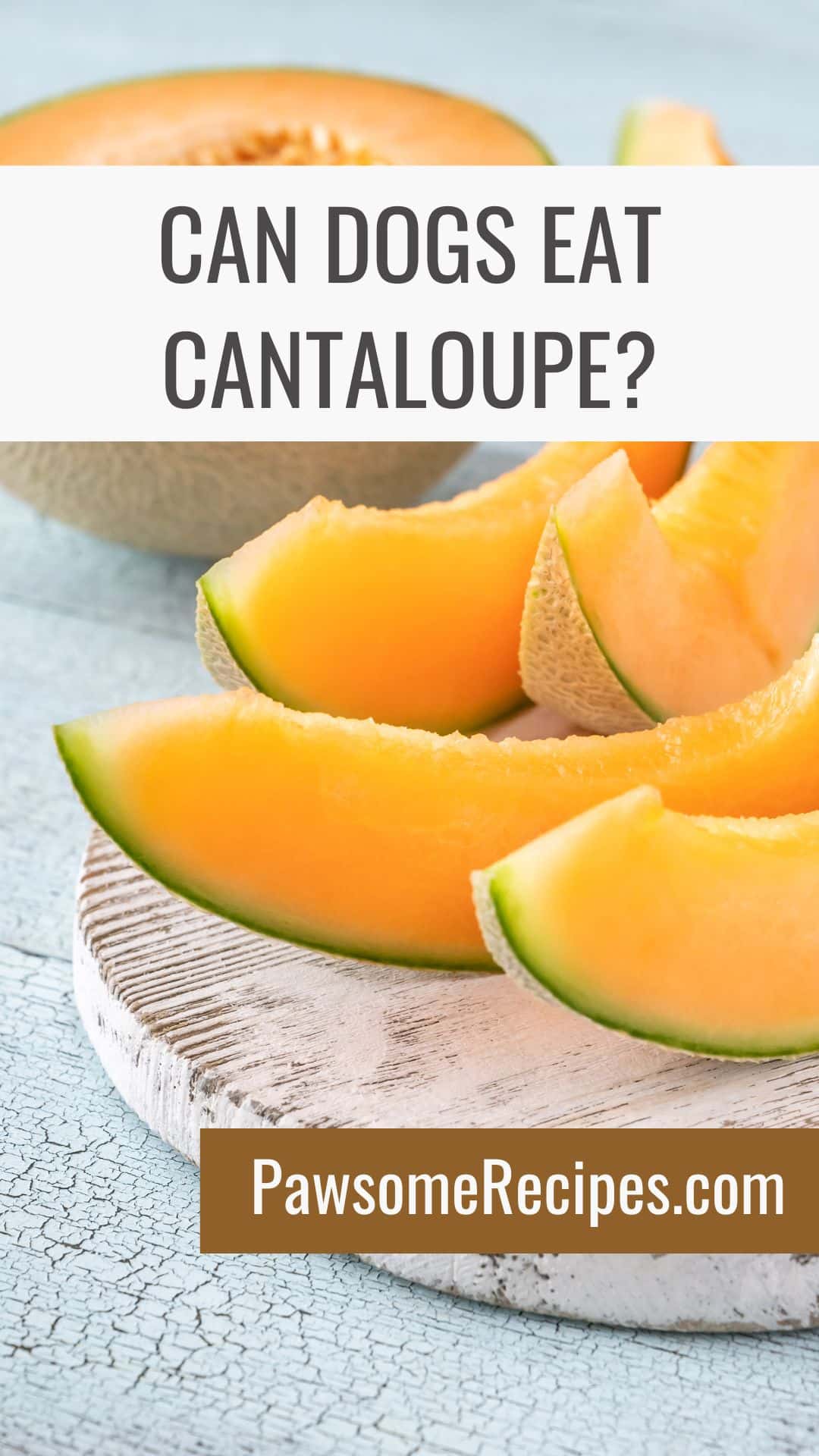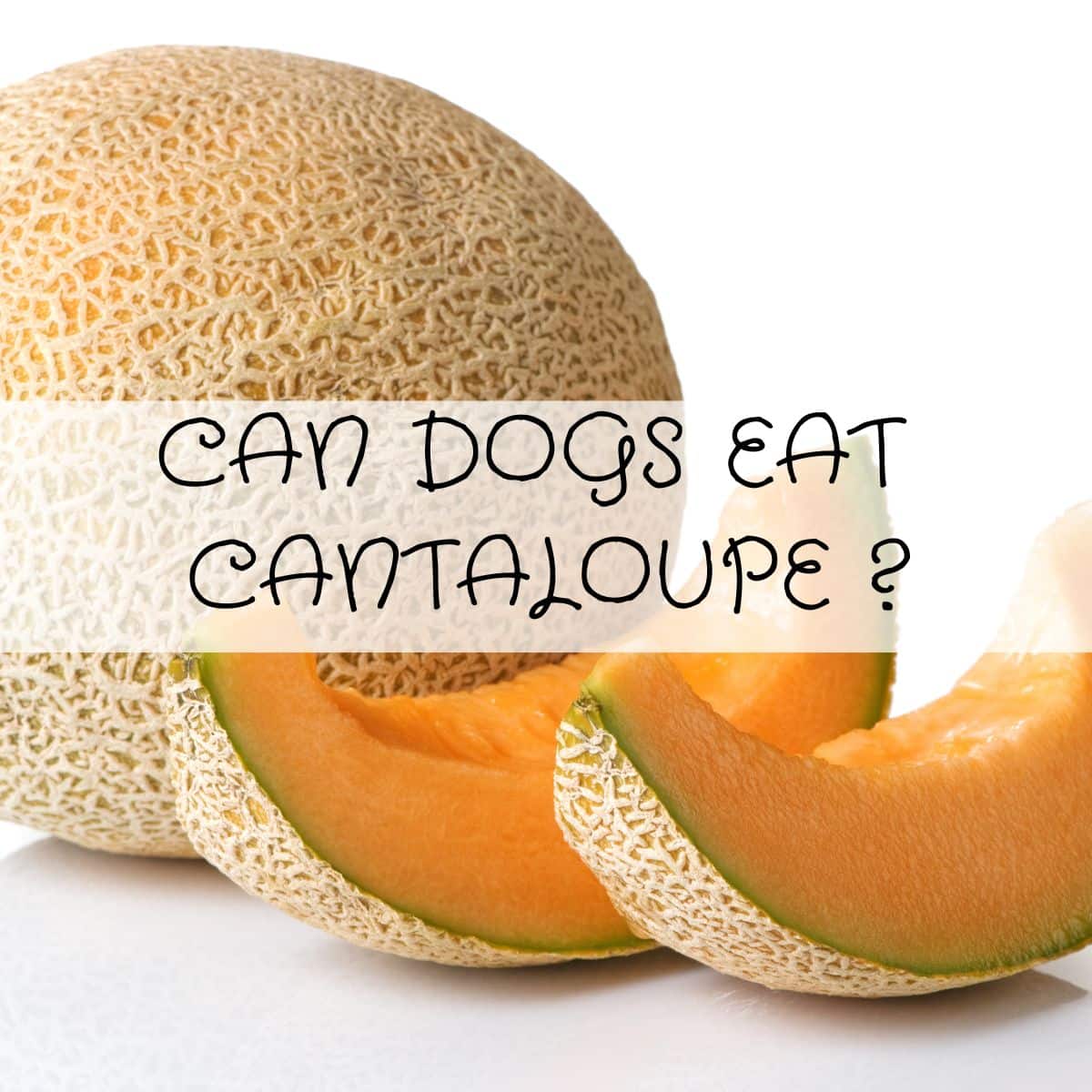
Can Dogs Eat Cantaloupe?
Short answer: yes. Cantaloupe is one of the safer melons to hand over to a dog, and most pups genuinely love it — the smell alone gets tails wagging around here. But “safe” doesn’t mean “no rules,” so let’s get into what this fruit actually does for your dog, how much is too much, and a couple of ways to turn it into a proper treat instead of just a table scrap.
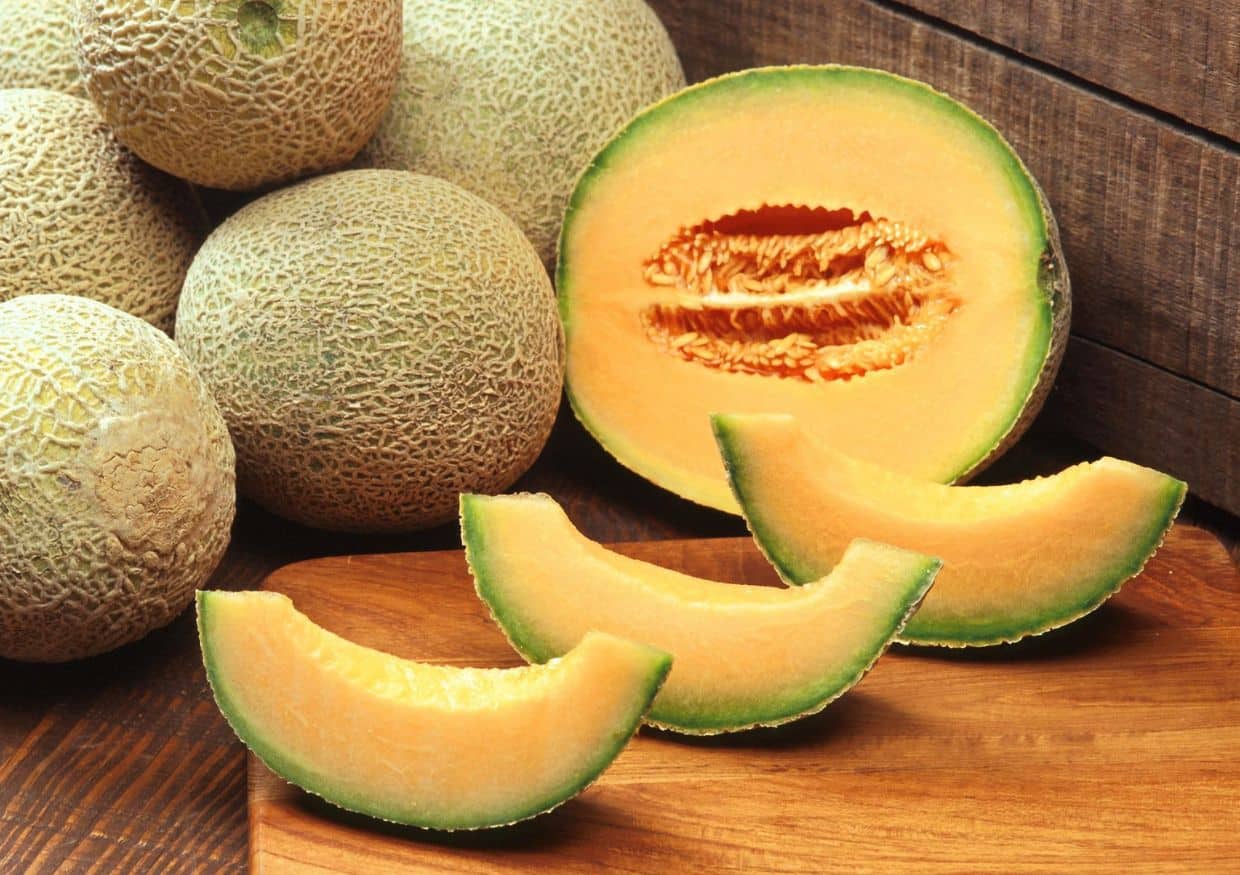
Is Cantaloupe Good For Dogs?
It’s not just filler between the healthy stuff — cantaloupe brings real nutrition to the bowl. It’s roughly 90% water, so on a hot afternoon it does double duty as a snack and a hydration boost. Beyond that, you’re looking at:
- Vitamin A — supports eyesight and skin health
- Vitamin C — an antioxidant that helps the immune system do its job
- Vitamin B6 — plays a role in brain function
- Potassium and folate — useful for muscle and cell health
- Dietary fiber — helps keep digestion moving
And here’s the part a lot of owners appreciate: cantaloupe is low in calories and has zero fat or cholesterol. If your dog’s on the chunkier side, swapping a few store-bought biscuits for a couple of cantaloupe chunks is an easy way to cut calories without cutting out treat time entirely.
How Much Cantaloupe Can a Dog Eat?
Treats, cantaloupe included, should stay under 10% of your dog’s daily calories. The other 90% needs to come from a proper, balanced dog food. Rough guide by size:
| Dog size | Suggested amount |
|---|---|
| Small (under 20 lbs) | 1–2 small cubes |
| Medium (20–50 lbs) | 2–4 cubes |
| Large (50+ lbs) | A small handful |
Cut pieces to about half an inch so they’re easy to chew and won’t turn into a choking hazard. And if this is your dog’s first time trying cantaloupe, start with one small piece and wait a day before giving more. Some dogs handle new foods fine; others get a loose stool from even a small amount, so there’s no harm in going slow.
Cautions worth knowing before you slice one up
Cantaloupe is safe, but there are a few things to actually pay attention to:
Never feed the rind. The tough outer skin is hard to digest and can cause an intestinal blockage — this is the one that sends dogs to the emergency vet, so it’s worth being strict about. It can also carry bacteria or pesticide residue even after washing. If your dog manages to snatch a piece of rind off the counter, call your vet rather than waiting to see what happens.
Remove the seeds. They’re not toxic, but they’re a choking risk and can also contribute to blockages in smaller dogs.
Watch the sugar. Cantaloupe is naturally sweet, and that sugar adds up fast for a small animal. Dogs with diabetes or a tendency to pack on weight should get little to none of it — check with your vet first if either applies.
Too much, too fast, causes stomach upset. Diarrhea, gas, vomiting — the usual suspects when a dog eats more fruit than its gut is used to. This is rare with a reasonable portion but common when owners get generous.
Allergies do happen, rarely. Itching, swelling, or GI upset after eating cantaloupe means stop feeding it and talk to your vet.
If your dog is otherwise healthy and you stick to flesh-only, bite-sized, occasional portions, none of this should be a real concern.
Can Puppies Eat Cantaloupe?
Yes, puppies can enjoy small amounts of ripe cantaloupe.
Because puppies have sensitive digestive systems:
- Introduce only a few tiny pieces at first.
- Remove all seeds and rind.
- Watch for stomach upset.
Puppies should still receive nearly all of their nutrition from a complete puppy food.
When Should Dogs Avoid Cantaloupe?
Some dogs should only eat cantaloupe after speaking with their veterinarian.
This includes dogs with:
- Diabetes
- Obesity
- Pancreatitis
- Special veterinary diets
- Sugar-sensitive medical conditions
The natural sugars in fruit may not be suitable for every dog.
Homemade Cantaloupe Dog Treat Ideas
Cantaloupe is perfect for making healthy homemade dog treats.
Here are some delicious ideas: