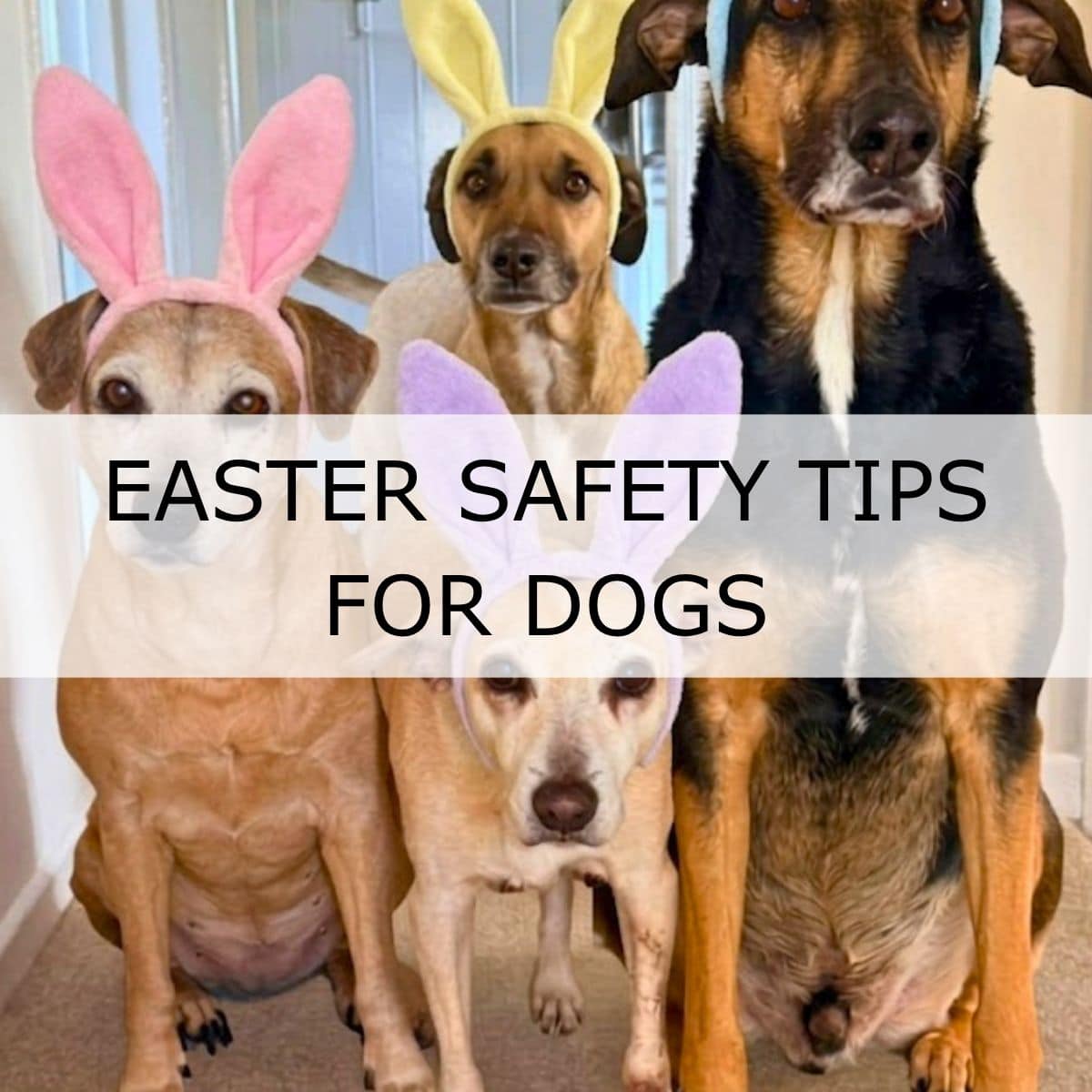
Easter Safety Tips for Dogs
Easter is a joyful time filled with chocolate treats, family gatherings, spring flowers, and fun activities like egg hunts. But while it’s a celebration for us, it can pose several hidden dangers for our dogs. From toxic foods to choking hazards, it’s important to keep your furry friend safe while you enjoy the festivities.
This guide covers everything you need to know to have a happy, safe, and dog-friendly Easter.

1. Keep Chocolate Out of Reach
Chocolate is one of the biggest Easter hazards for dogs. It contains theobromine, which is toxic and can lead to symptoms like vomiting, diarrhea, rapid heart rate, and even seizures.
Be extra careful with:
- Chocolate eggs and bunnies
- Cocoa powder
- Chocolate desserts
👉 Dark chocolate is especially dangerous due to higher theobromine levels.
Tip: Store all chocolate in sealed containers and keep Easter baskets well out of reach.
2. Avoid Sugary and Xylitol-Sweetened Treats
Many Easter sweets contain xylitol, an artificial sweetener that is extremely toxic to dogs, even in small amounts.
Watch out for:
- Sugar-free sweets and gum
- Baked goods
- Some peanut butter treats (check labels carefully)
Safer alternative: Offer your dog homemade treats made with dog-safe ingredients instead.

3. Beware of Toxic Easter Plants
Spring flowers can brighten your home—but some are harmful to dogs.
Common toxic Easter plants:
- Lilies (especially dangerous for cats, but still best avoided for dogs)
- Daffodils
- Tulips
These can cause vomiting, drooling, and digestive upset if ingested.
Tip: Keep floral arrangements out of reach or opt for pet-safe plants.
4. Supervise Easter Egg Hunts
Easter egg hunts are fun—but not always dog-friendly.
Potential risks:
- Dogs eating chocolate-filled eggs
- Swallowing plastic eggs (choking hazard)
- Eating spoiled real eggs hidden outside
Tip: Keep your dog indoors during egg hunts or supervise closely.

5. Watch Out for Easter Basket Hazards
Easter baskets often contain items that can be dangerous for dogs.
Common hazards include:
- Foil wrappers (can cause blockages)
- Plastic grass (very dangerous if swallowed)
- Small toys
Tip: Choose paper grass or skip it entirely, and keep baskets out of reach.
6. Be Careful with Easter Meals
Easter meals often include rich, fatty foods that aren’t suitable for dogs.
Avoid feeding your dog:
- Fatty meats like lamb with seasoning
- Cooked bones (can splinter)
- Foods with onions or spices
Safer option: Prepare a plain, dog-friendly version of Easter dinner.
7. Manage Guests and Excitement
Easter gatherings can be overwhelming for some dogs.
Possible issues:
- Stress or anxiety
- Escaping through open doors
- Overfeeding by guests
Tips:
- Provide a quiet, safe space
- Let guests know not to feed your dog
- Keep doors secure
8. Create Dog-Friendly Easter Fun
You can still include your dog in the celebrations safely!
Fun ideas:
- Make homemade Easter dog treats
- Hide dog-safe treats for a mini dog egg hunt
- Give a new toy instead of sweets
This keeps your pup happy without the risks.
Easter Safety FAQ
No—chocolate eggs are toxic, and plastic eggs can be a choking hazard.
No—these often contain raisins, which are highly toxic to dogs.
Contact your vet immediately. The severity depends on the type and amount consumed.
Yes, but with close supervision and only dog-safe treats and toys.
