Benefits of Using a Slow Cooker for Homemade Dog Food
Making homemade dog food in a slow cooker is one of the easiest ways to prepare fresh, wholesome meals for your dog. Whether you are cooking for a picky eater, a senior dog, or simply want more control over your dog’s diet, a slow cooker can make homemade feeding far more convenient and affordable.
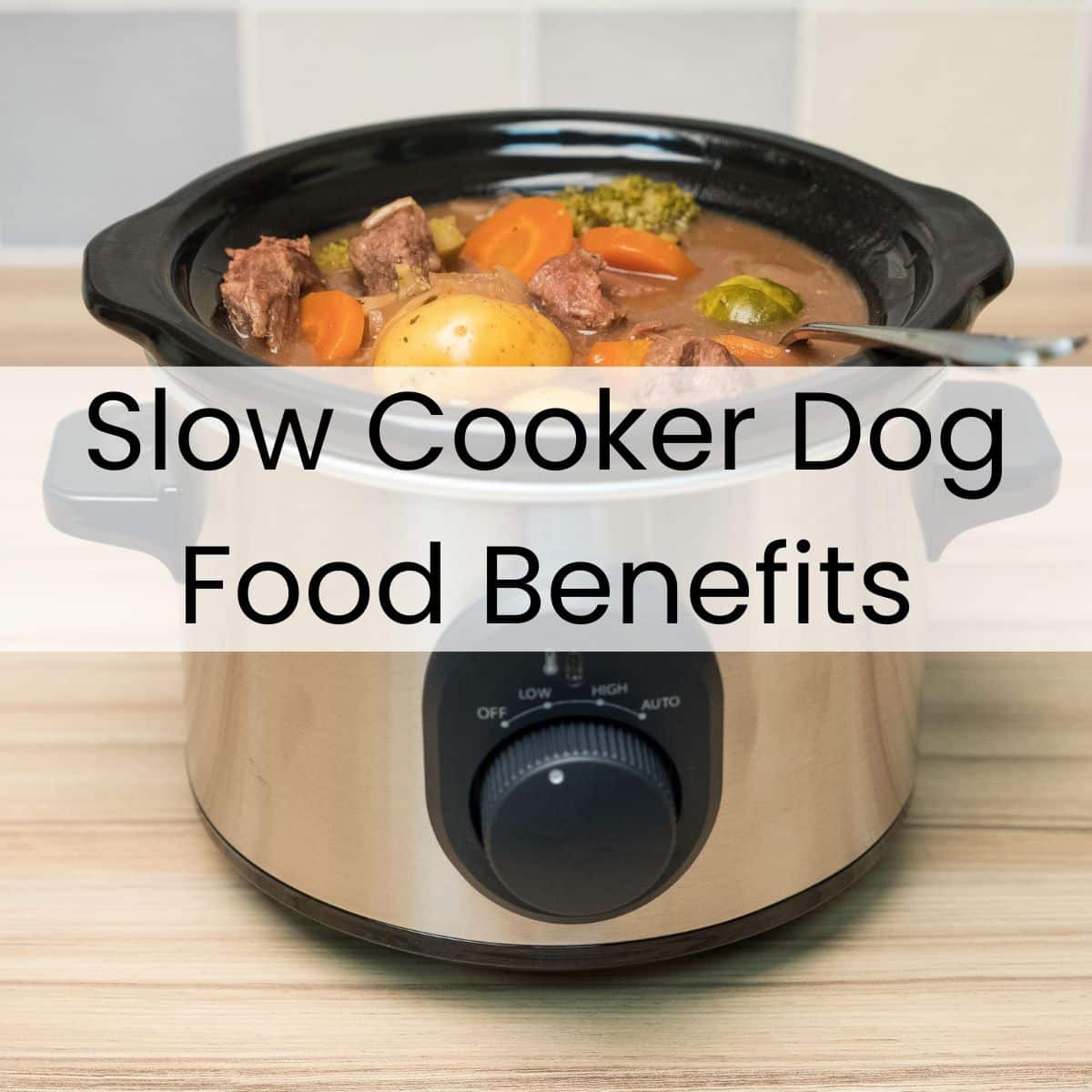
Slow cookers allow ingredients to simmer gently over several hours, creating soft, flavorful meals packed with nutritious ingredients. They are perfect for batch cooking and can help turn simple ingredients into delicious dog-friendly meals with minimal effort.
If you enjoy preparing fresh meals for your pup, here are some of the biggest benefits of using a slow cooker for homemade dog food.
Why Use a Slow Cooker for Dog Food?
A slow cooker makes homemade dog food simple, hands-off, and practical for busy pet parents. Instead of standing over the stove, you can add ingredients, set the timer, and let everything cook slowly throughout the day.
Slow cooking also creates tender meats and soft vegetables that many dogs find easier to chew and digest.
Gentle Cooking Helps Preserve Nutrients
Slow cookers use lower cooking temperatures than frying or roasting, which can help preserve more nutrients in meats and vegetables.
Ingredients such as carrots, pumpkin, sweet potatoes, green beans, and spinach soften gradually while still providing beneficial vitamins, minerals, and fiber for your dog.
This gentle cooking process can also help maintain moisture in the food, creating nourishing meals that are both tasty and easy to eat.
Makes Meat Soft and Tender
One of the best things about slow cooking is how tender it makes meat. Tougher cuts like beef chuck, lamb shoulder, turkey thighs, and chicken thighs become soft after several hours of cooking.
Tender meat is especially helpful for:
- Senior dogs
- Dogs with dental issues
- Puppies
- Dogs recovering from illness
- Picky eaters
Slow-cooked meat is often easier to chew and digest than heavily browned or dry cooked meat.
Easier on Digestion
Slow-cooked meals are naturally moist and soft, making them gentler on sensitive stomachs.
The slow cooking process helps break down fibers in vegetables and connective tissues in meat, which may improve digestibility for some dogs.
Dogs with digestive sensitivities often do well with simple slow cooker meals made from limited ingredients and lean proteins.
Perfect for Batch Cooking
One of the biggest advantages of using a slow cooker for dog food is the ability to prepare large batches at once.
You can make enough food for several days or even weeks, then portion meals into containers for the refrigerator or freezer. This saves time and makes daily feeding much easier.
Batch cooking can also:
- Reduce meal prep stress
- Help maintain feeding consistency
- Save money on ingredients
- Reduce food waste
Enhances Natural Flavor
Slow cooking allows ingredients to simmer together slowly, creating rich aromas and flavors that many dogs love.
Because the ingredients cook in their own juices, meals often become naturally flavorful without needing added salt, seasoning, or artificial flavorings.
This can be especially helpful for picky eaters who may turn away from dry kibble.
Adds Extra Moisture to Meals
Many homemade slow cooker recipes contain more moisture than dry commercial food.
This added moisture may help support hydration, especially for dogs who:
- Do not drink much water
- Eat mainly dry food
- Are older
- Are recovering from illness
Moist meals can also be easier for dogs to eat and digest.
Great for Nutritious Ingredients
Slow cookers make it easy to include a wide range of healthy, dog-safe ingredients in one meal.
Popular ingredients for slow cooker dog food include:
- Lean meats
- Organ meats
- Pumpkin
- Sweet potato
- Carrots
- Green beans
- Brown rice
- Quinoa
- Bone broth
- Sardines
- Spinach
Cooking everything together creates balanced, hearty meals full of flavor and nutrition.
Budget-Friendly Homemade Feeding
Using a slow cooker can help reduce the cost of homemade dog food.
Slow cookers work well with affordable cuts of meat that become tender during long cooking times. Buying ingredients in bulk and batch cooking can also lower overall feeding costs.
Many pet owners find homemade slow cooker meals more economical than premium fresh dog food subscriptions.
Minimal Hands-On Cooking
Slow cookers are incredibly convenient because they require very little active cooking time.
Simply prepare your ingredients, add them to the pot, and let the slow cooker do the work. This makes homemade feeding much more realistic for busy households.
Easy to Store and Freeze
Most slow cooker dog food recipes freeze very well.
You can portion cooked food into:
- Airtight containers
- Silicone trays
- Freezer bags
- Individual meal portions
This makes future mealtimes quick and convenient.
Tips for Making Slow Cooker Dog Food
Before making homemade dog food in a slow cooker, keep these tips in mind:
Avoid Harmful Ingredients
Never add:
- Onions
- Excess salt
- Grapes
- Raisins
- Xylitol
- Heavy seasonings
Remove Bones
Cooked bones can splinter and become dangerous for dogs. Always remove bones before serving.
Use Dog-Safe Broth
If using broth, choose plain low-sodium broth without onion or garlic.
Balance the Diet
Homemade dog food should contain appropriate amounts of:
- Protein
- Healthy fats
- Fiber
- Vitamins and minerals
- Calcium
If feeding homemade meals long term, speak with your veterinarian or a canine nutrition professional to ensure the diet is nutritionally balanced.
Best Ingredients for Slow Cooker Dog Food
Some of the best ingredients to use include:
| Protein | Vegetables | Carbohydrates |
|---|---|---|
| Chicken thighs | Pumpkin | Brown rice |
| Turkey | Carrots | Oats |
| Beef chuck | Green beans | Sweet potato |
| Lamb shoulder | Spinach | Quinoa |
| Sardines | Zucchini | Barley |
What About the Electricity Costs of Using a Slow Cooker?
One of the biggest advantages of using a slow cooker for homemade dog food is that it is surprisingly energy efficient. Even though slow cookers run for several hours, they use far less electricity than a conventional oven.
Although a slow cooker cooks food for much longer, it generally uses significantly less electricity overall than a standard electric oven. A typical fan oven may use around 2,000–3,000 watts, while many slow cookers use only 150–250 watts.
For long-cooked meals like:
- Dog stews
- Bone broth
- Beef casseroles
- Lamb recipes
- Turkey slow cooker meals
…the slow cooker is usually one of the most economical cooking methods available.

Tips to Reduce Electricity Costs Further
Use the Right Size Slow Cooker – A cooker that is too large for the amount of food being prepared may use more electricity than necessary.
Avoid Opening the Lid – Each time the lid is lifted, heat escapes and the cooker needs extra energy to regain temperature.
Batch Cook Large Quantities – Cooking larger amounts at once lowers the electricity cost per portion.
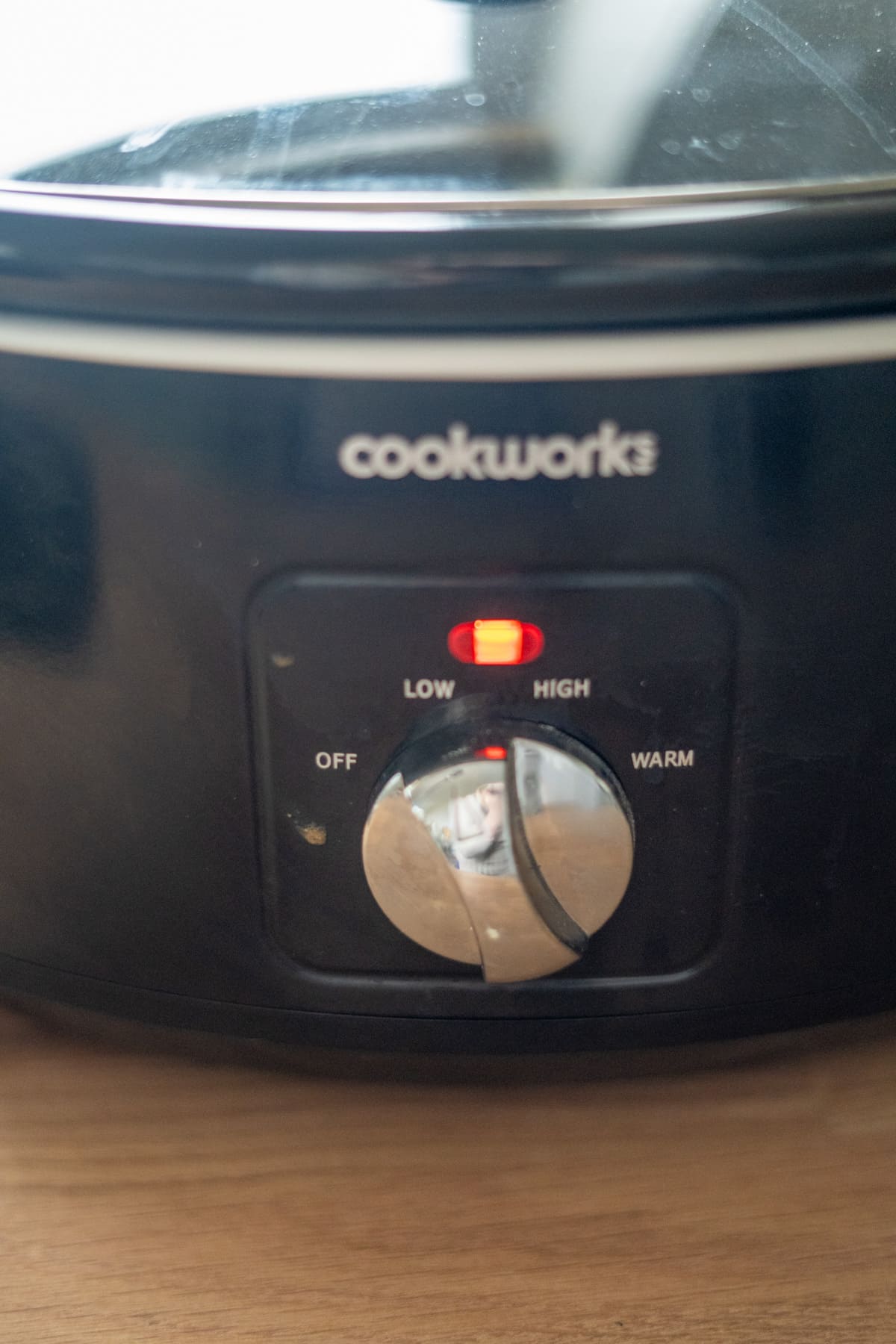
Use Lower Heat Settings – The low setting is often more energy efficient and works perfectly for homemade dog food recipes.
Slow Cooker Dog Food Recipes
Looking for meal ideas? Try our easy slow cooker dog food recipes packed with fresh, wholesome ingredients your dog will love.
Turkey and Salmon Slow Cooker Dog Food
FAQs
Yes, homemade slow cooker dog food can be very healthy when made with balanced, dog-safe ingredients.
Absolutely. Most recipes freeze well for up to 2–3 months.
Generally, homemade dog food lasts about 3–4 days refrigerated in airtight containers.
Puppies have specific nutritional requirements, so homemade meals for puppies should be carefully balanced.