
7 Easy Homemade Dog Food Recipes
If you’ve ever wondered whether homemade dog food is worth it—the answer is yes. More dog owners are switching from processed kibble to fresh, homemade meals made with real ingredients.
These easy homemade dog food recipes are packed with protein, healthy vegetables, and natural nutrients to help support your dog’s digestion, energy, and overall health.
While these recipes are inspired by wholesome, balanced ingredients, always consult your vet before making major changes to your dog’s diet.
This post may contain affiliate links. Please read my disclosure policy for more information.

Why Make Homemade Dog Food?
Homemade meals for dogs allow you to:
- No fillers or artificial additives
- Customisable for allergies or sensitivities
- Made with fresh, whole ingredients
- Supports digestion, energy, and coat health
Many recipes below include high-quality proteins like lamb, chicken, beef, and salmon, plus nutrient-rich vegetables and healthy fats.
7 Easy Homemade Dog Food Recipes
1. Turkey Dog Food Recipe
This nutrient-packed recipe combines lean turkey, chicken livers, and vegetables for a balanced and nourishing meal.
Why it’s great:
- Turkey is a lean, easily digestible protein
- Includes nutrient-dense organ meats for added vitamins
- Features superfoods like pumpkin, spinach, and cranberries

2. Chicken Dinner for Dogs
A simple, classic homemade meal that’s perfect for everyday feeding.
Why dogs love it:
- Chicken is a high-protein, affordable staple
- Easy to digest and great for most dogs
- Can be customised with different vegetables

3. Salmon, Pumpkin & Quinoa Dog Food
A healthy, omega-rich meal that supports skin, coat, and digestion.
Benefits:
- Salmon is rich in omega-3 fatty acids for coat and joint health
- Pumpkin helps support digestive health
- Quinoa provides fiber and essential nutrients

4. Ground Lamb Dog Food Recipe
A flavourful alternative protein that’s ideal for dogs with sensitivities.
Why it stands out:
- Rich in iron and essential amino acids
- Great for dogs who can’t tolerate chicken or beef
- Nutrient-dense and satisfying

5. Homemade Pork Dog Food Recipe
A delicious and often overlooked protein option.
Why it works:
- High in protein and healthy fats
- Adds variety to your dog’s diet
- Pairs well with vegetables like pumpkin for digestion support
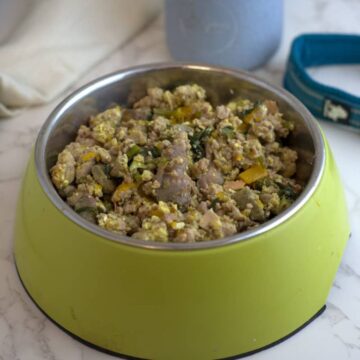
6. Homemade Dog Food with Turkey & Beef
A protein-rich, nutrient-packed meal combining two meats.
Key benefits:
- Combines turkey and beef for a balanced protein profile
- Includes sardines for omega-3 fatty acids
- Contains liver for added vitamins and minerals
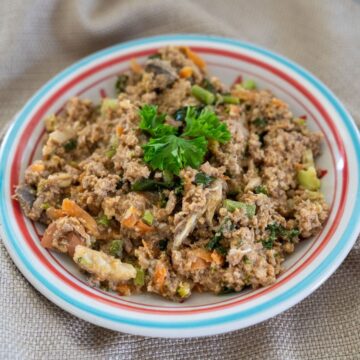
7. Beef & Salmon Meal for Dogs
A powerful combination of protein and healthy fats.
Why it’s a great choice:
- Beef provides iron and protein
- Salmon adds omega-3s for skin and coat
- A great option for active dogs

Nutritional Balance Matters
While these recipes are made with wholesome ingredients, some may need small additions for complete and balanced nutrition, especially for long-term feeding.
For example:
- Calcium is often missing and may need supplementation
- A proper calcium-to-phosphorus ratio is important for bone health
- Adding fish oil, organ meats, or a dog-specific multivitamin can help fill nutritional gaps
👉 Always consult your vet when feeding homemade meals regularly.
Feeding Tips
- Introduce new meals gradually
- Adjust portions based on your dog’s size and activity
- Store in the fridge for 3–5 days or freeze for later
- Rotate proteins for a more balanced diet
FAQs
Homemade dog food can be a healthier option when made correctly. It allows you to use fresh, whole ingredients and avoid fillers, preservatives, and artificial additives often found in some commercial dog foods.
However, it’s important to ensure meals are nutritionally balanced, as dogs require specific vitamins and minerals to stay healthy.
Yes, dogs can eat homemade food daily—as long as the meals are balanced and complete.
Feeding the same recipe every day without variety or supplementation may lead to nutrient deficiencies over time. Rotating proteins and ingredients can help provide a wider range of nutrients.
Portion sizes depend on your dog’s:
Weight
Age
Activity level
As a general guideline, dogs typically need about 2–3% of their body weight in food per day, split into 1–2 meals.
It’s best to start with a moderate portion and adjust based on your dog’s weight and energy levels.
In many cases, yes. While fresh ingredients provide excellent nutrition, homemade diets can sometimes lack key nutrients like:
Calcium
Vitamin D
Omega-3 fatty acids
Adding a dog-specific supplement or calcium source (like eggshell powder) can help ensure your dog’s diet is complete.
Always consult your vet before adding supplements.