
Chicken and Sweet Potato Dog Food
Your dog will love this homemade chicken and sweet potato dog food recipe. Packed with wholesome ingredients, this recipe is easy to prepare and cooked in one pot.
The combination of lean chicken, fiber-rich sweet potatoes and antioxidant-boosting turmeric makes this dish both tasty and beneficial for your dog’s health.

This post may contain affiliate links. Please read my disclosure policy for more information.
Is Sweet Potato Good For Dogs?
Sweet potatoes are higher in fiber than white potatoes and are a great source of vitamin A and potassium for dogs.
Serve the sweet potato cooked not raw to your dogs as raw potatoes is not digested as easily and could cause an intestinal blockage.
Remember to go slowly when introducing new foods. And we recommend checking with your veterinarian first if your dog has any digestive issues or other health concerns.
Why Your Dog Will Love This Recipe
Dogs love the natural sweetness of sweet potatoes and apples, and the juicy, protein-packed chicken makes this meal irresistible. Plus, turmeric has anti-inflammatory properties that may support joint health, while brown rice offers a slow-releasing energy source to keep your pup satisfied and energized.
For more homemade meals made with lean meats and nutritious ingredients, take a look at our low fat dog food recipe collection.

Ingredients
Just 5 ingredients are used to make this homemade dog food:

- Chicken – skinless chicken breasts are cooked and shredded
- Sweet potato – We boil the sweet potatoes because they have a lower glycemic index than roasted sweet potatoes. This means that your dog’s blood sugar levels won’t spike.
- Brown rice – A source of fiber. If you want a grain free meal for your dog, omit the rice and replace it with kale or zucchini.
- Apples – Peeled and served raw. Always remove the seeds and core.
- Turmeric – Turmeric is great for dogs for it’s anti-inflammatory properties.
How To Make Homemade Chicken and Sweet Potato Dog Food

Add ingredients to a pan and cover with water.

Cover and cook.

Shred the chicken, serve with chopped apple.
Recipe Tips
- Cut ingredients into small, bite-sized pieces to ensure easy digestion.
- Cook all ingredients thoroughly to enhance nutrient absorption and make it safe for your pup.
- Allow the food to cool completely before serving to avoid burns.
- Portion appropriately based on your dog’s size and dietary needs.
Servings
This recipe makes about 2-3 servings, depending on your dog’s size. You can store leftovers in an airtight container in the refrigerator for up to 3 days or freeze for later use.

Storage Tips
Following these storage tips will help keep your homemade dog food fresh, safe, and convenient for everyday feeding! 🐶🍽️
Refrigeration
- Store leftovers in an airtight container in the refrigerator.
- Keeps fresh for up to 3 days.
- Before serving, let it come to room temperature or warm it slightly (but not too hot).
Freezing
- For longer storage, portion the meal into freezer-safe containers or resealable bags.
- Freeze for up to 2 months.
- When ready to use, thaw overnight in the fridge before serving.
Portioning Tip
Use single-serving portions before storing to make mealtime quick and easy.
More Homemade Chicken Dog Food Recipes
Chicken Spinach Meatballs for Dogs
Chicken Quinoa Dog Food Recipe

Chicken and Sweet Potato Dog Food
Need Metric Measurements?
Use the button options below to toggle between US cups and Metric grams.
Ingredients
- 2 chicken breasts skinless and boneless
- 1/2 teaspoon turmeric
- 1/2 cup brown rice
- 1 cup sweet potato, cut into chunks
- 1/2 cup sliced apple peeled, pips and core removed
Instructions
- Add the chicken, sweet potato, rice and turmeric to a medium saucepan and cover with water. Bring to the boil, place the lid on the pan and simmer for 20-25 minutes until cooked.
- Drain any excess liquid and let sit for 10 minutes to cool. Using a fork, shred the cooked chicken.
- Serve the dinner topped with chopped apple. Add a sprig of parsley if you have it to hand.
Notes
Nutrition
The information shown is an estimate provided by an online nutrition calculator.
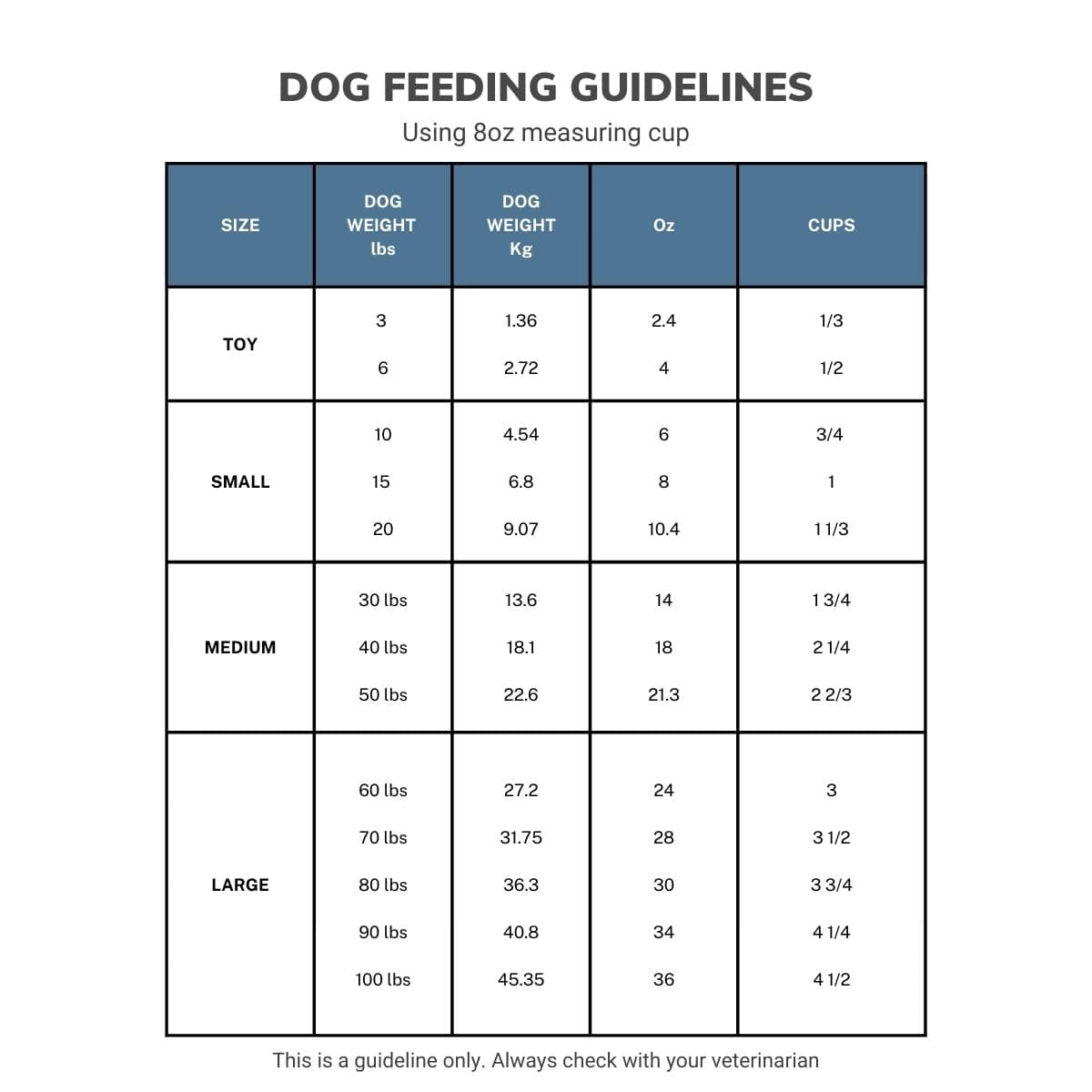
Is the feeding chart per day or per serving?
It’s per day, but it’s always best to check with your vet.