
Sweet Potato Dog Treat Recipes
Sweet potato dog treats are a favourite for many pups—and they’re incredibly easy to make at home. Whether you’re looking for simple baked bites, chewy sweet potato strips, or fun flavour combinations, this collection brings together the best homemade sweet potato dog treat recipes all in one place. Each recipe is made with wholesome ingredients, no unnecessary fillers, and plenty of natural sweetness that dogs love. Browse the ideas below and find the perfect sweet potato treat to spoil your furry friend.

Can Dogs Eat Sweet Potatoes?
Yes, sweet potatoes are healthy for dogs when given in moderation. They are rich in fiber, vitamins A, C, and B6, and antioxidants, which support digestion, immune health, and vision. The natural sugars in sweet potatoes also provide a good energy source.
However, it’s important to serve them cooked and plain, without added sugars or seasonings, as raw sweet potatoes can be hard to digest and spices like garlic or onion are toxic to dogs. Always introduce new foods gradually and consult with a vet for personalized advice.

Baked Sweet Potato Dog Treat Recipes
All of these sweet potato dog treat recipes are baked for a crisp treat. Some are made with gluten-free flour too.


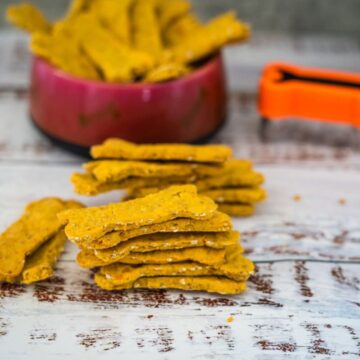
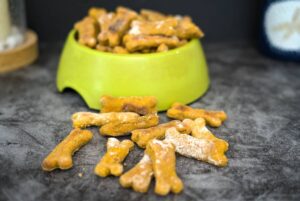

Sweet Potato Pupcakes
Use sweet potato to make a celebratory pupcake! Our sweet potato puree recipe is essential for these.


Air Fryer Sweet Potato Dog Treats
Air frying homemade dog treats is a quick and easy way to make a dog treat.
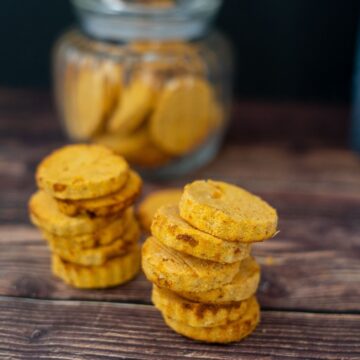
Frozen Sweet Potato Dog Treats
Cool down with a savory frozen dog treat.

Sweet Potato Dog Treat Storage Tips
Room Temperature
Store baked sweet potato dog treats in an airtight container for 3–5 days. Because they contain no preservatives, they won’t keep as long as commercial treats.
Refrigeration
Extend freshness by storing them in the fridge for up to 7 days. This works especially well for softer or thicker treats.
Moisture Control
Place a small piece of kitchen paper inside the container to absorb excess moisture and help the treats stay firmer.
Freezing Tips for Sweet Potato Dog Treats
Freeze Individually First
Lay the treats on a lined tray and freeze until solid. This prevents them from sticking together.
Then Store in a Bag/Container
Once frozen, transfer the treats to a freezer-safe bag or container. Label with the date.
Freezer Life
Sweet potato treats freeze well for up to 3 months.
Serving from Frozen
Give them frozen on hot days for a natural, cooling chew—or thaw in the fridge for a few hours for a softer texture.
Recipe Tips
- Slice Thicker:
Cut sweet potato slices ½ inch thick or more to create chewier, longer-lasting dog chews. - Reduce Oven Temperature:
Bake at a lower temperature (around 120–140°C / 250–285°F) for a longer time. Slow drying removes moisture gradually, resulting in a leathery chew. - Flip Midway:
Turn the slices halfway through baking for even drying and texture. - Oven-Dry After Baking:
Once baked, turn the oven off and leave the treats inside for 1–2 hours with the door slightly open to finish drying. - Use a Dehydrator:
For maximum chewiness, dehydrate sweet potato slices for 6–8 hours until they reach your dog’s preferred texture.

Troubleshooting Sweet Potato Dog Treats
Treats Turn Out Soggy
- The slices may be too thick—reduce thickness slightly next time.
- Increase baking time or place treats back in the oven at a low temperature to finish drying.
- Make sure treats cool fully before storing to prevent trapped steam.
Treats Get Too Hard or Crispy
- Reduce bake time or raise the oven temperature slightly for softer bites.
- Slice the sweet potato thinner to keep the final texture more tender.
- If treats over-dry, store them in a closed container with a slice of apple overnight to soften them.
Treats Come Out Unevenly Cooked
- Ensure slices are consistent in thickness.
- Rotate your baking tray halfway through cooking.
- Avoid overcrowding the tray—give each piece space.
Treats Lose Colour or Look Dull
- Slight dullness is normal when dehydrating.
- For brighter colour, bake instead of slow-dehydrating, or lightly brush slices with water or broth before baking.

FAQ
Dogs can safely enjoy sweet potato in moderation, but it shouldn’t be a daily staple for most pups. Sweet potatoes are high in fiber and carbohydrates, which can be too much if given too often. Offering sweet potato treats a few times per week is usually ideal. Always adjust treat portions based on your dog’s size, weight, and activity level.
Yes—sweet potatoes are often recommended for dogs with sensitive stomachs because they’re gentle, easily digestible, and naturally soothing. Start with small amounts to make sure your dog tolerates them well.
Yes, you can use canned sweet potato as long as it’s 100% pure with no added sugar, syrup, spices, butter, salt, or preservatives. Avoid canned pie filling, which often contains nutmeg and sweeteners that are unsafe for dogs.
Yes, the skin is safe when washed thoroughly to remove dirt and pesticide residue. However, some dogs may have trouble digesting the tougher skin. If your dog has a sensitive digestive system, peel the sweet potatoes before baking or dehydrating.
As a general guideline, treats—including homemade ones—should make up no more than 10% of your dog’s daily calories. For small dogs, that might mean ½ to 1 chew. Larger dogs may be able to enjoy 1–3 treats depending on size and density.
Most puppies over 8–10 weeks old can enjoy small, soft pieces of cooked sweet potato. Avoid hard or chewy dehydrated slices for young puppies, as they can be a choking hazard. Always introduce new foods slowly.
Raw sweet potatoes are not recommended for dogs. They’re hard, difficult to chew, and can pose a choking risk. Always cook or dehydrate sweet potatoes to make them safe and easier to digest.
Sweet potatoes are high in natural sugars and carbohydrates, so diabetic dogs should only have sweet potato treats with veterinary approval. If allowed, offer very small portions and monitor blood sugar closely.
Standard orange-flesh sweet potatoes work best—they soften nicely, hold their shape, and have a naturally sweet flavour dogs love. White or purple varieties may work but tend to be drier and starchier.
