
Best Protein For Dogs
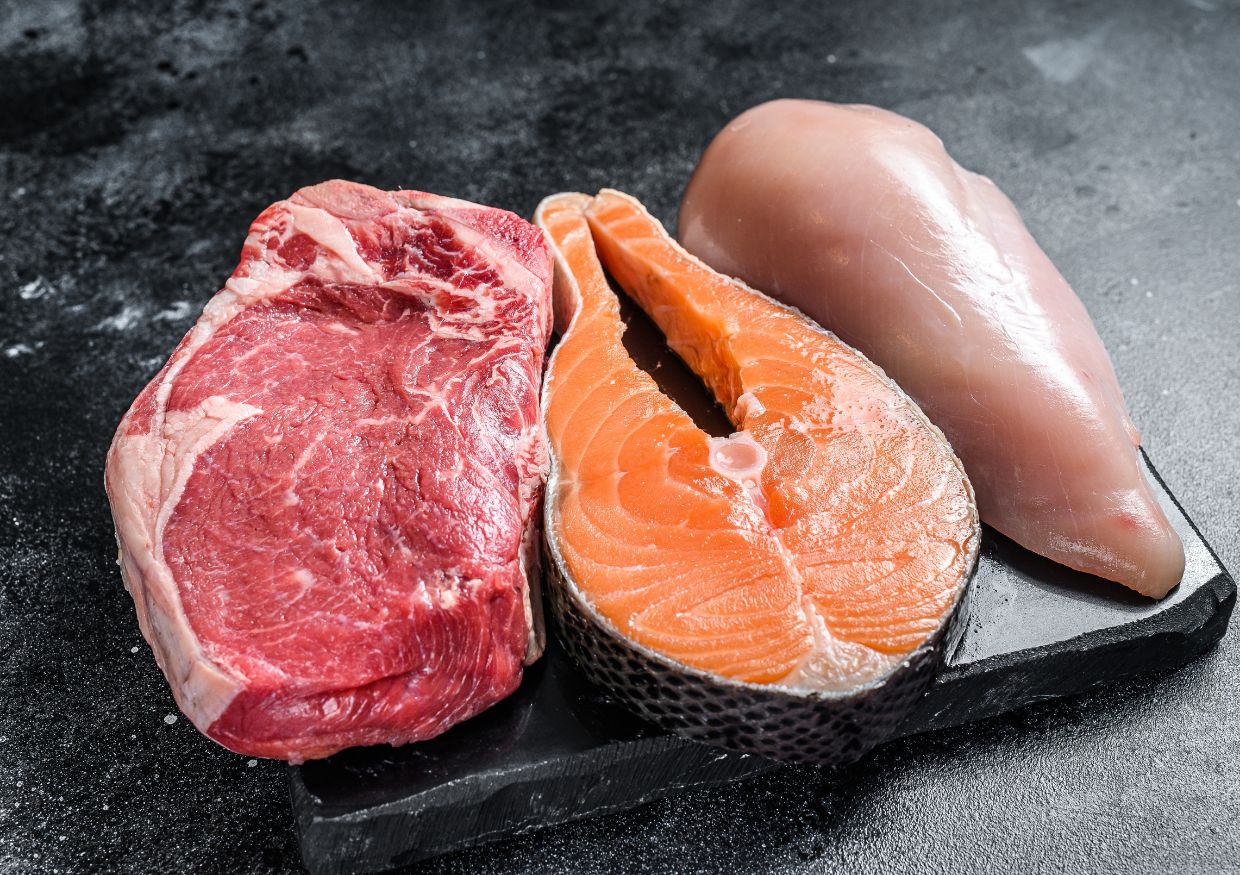
Protein is the foundation of a healthy canine diet. It builds muscle, supports a shiny coat, fuels the immune system, and keeps your dog’s energy levels steady throughout the day. But with so many protein sources on pet food labels, beef, chicken, turkey, fish, lamb, and more, how do you know which is the best protein for dogs?
Beef, chicken, turkey, fish, and lamb all provide high-quality protein, but each offers unique vitamins, minerals, and health benefits. Some are ideal for active dogs, while others are better suited to sensitive stomachs or dogs needing extra omega-3 fatty acids.
In this guide, we’ll compare the most popular proteins for dogs, explain when each one shines, and help you decide which is the best fit for your four-legged friend.
This post may contain affiliate links. Please read my disclosure policy for more information.
Why Protein Is Important for Dogs
Not all protein is created equal. Dogs need protein that provides a complete amino acid profile, including essential amino acids like lysine, methionine, and tryptophan that their bodies can’t produce on their own. High-quality animal protein also delivers:
- Muscle maintenance and growth, especially important for puppies and active or senior dogs
- Healthy skin and coat, thanks to amino acids and natural fats
- Immune system support through zinc, iron, and B vitamins
- Sustained energy without the blood sugar spikes associated with excess carbohydrates
The best protein for your dog depends on their life stage, activity level, allergies, and any underlying health conditions.
Quick Protein Comparison
| Protein | Protein per 100g | Fat Level | Common Allergen? | Best For |
|---|---|---|---|---|
| Beef | 26g | Moderate–High | Yes (very common) | Active/working dogs |
| Chicken | 31g | Low–Moderate | Yes (very common) | Puppies, seniors, general diets |
| Turkey | 29g | Low | Less common | Chicken-sensitive dogs, weight management |
| Fish | 22–25g | Moderate (omega-3 rich) | Rare | Skin, coat, and joint support |
| Lamb | 25g | Moderate–High | Increasingly common | Poultry-sensitive dogs, picky eaters |
| Pork | 27g | Moderate–High | Rare (novel protein) | Elimination diets, allergy-prone dogs |
| Duck | 22.5g | Moderate-High | Rare (novel protein) | Picky eaters & active dogs |
Beef for Dogs
Best For
- Active dogs
- Sporting breeds
- Working dogs
- Dogs needing extra calories
Nutritional Benefits
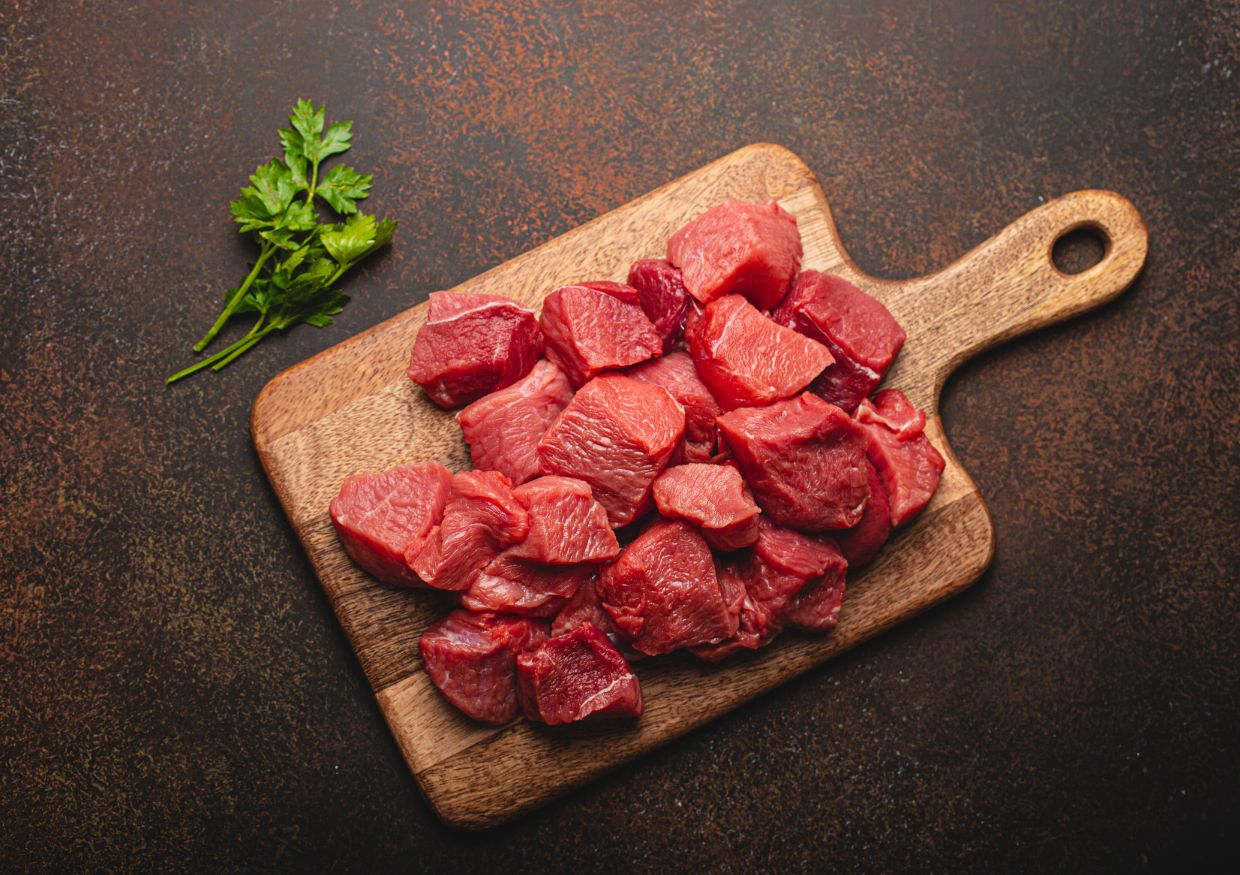
Beef is one of the richest protein sources available for dogs. It’s naturally high in:
- Complete protein
- Iron
- Zinc
- Vitamin B12
- Niacin
- Selenium
These nutrients support muscle development, oxygen transport, healthy skin, and immune function.
Pros
- Excellent muscle-building protein
- Rich in minerals
- Highly palatable
- Great energy source
Cons
- Higher fat than poultry (depending on the cut)
- Some dogs develop beef allergies after prolonged exposure
Homemade Beef Recipe Ideas
Chicken for Dogs
Best For
- Everyday feeding
- Puppies
- Most healthy adult dogs
Nutritional Benefits
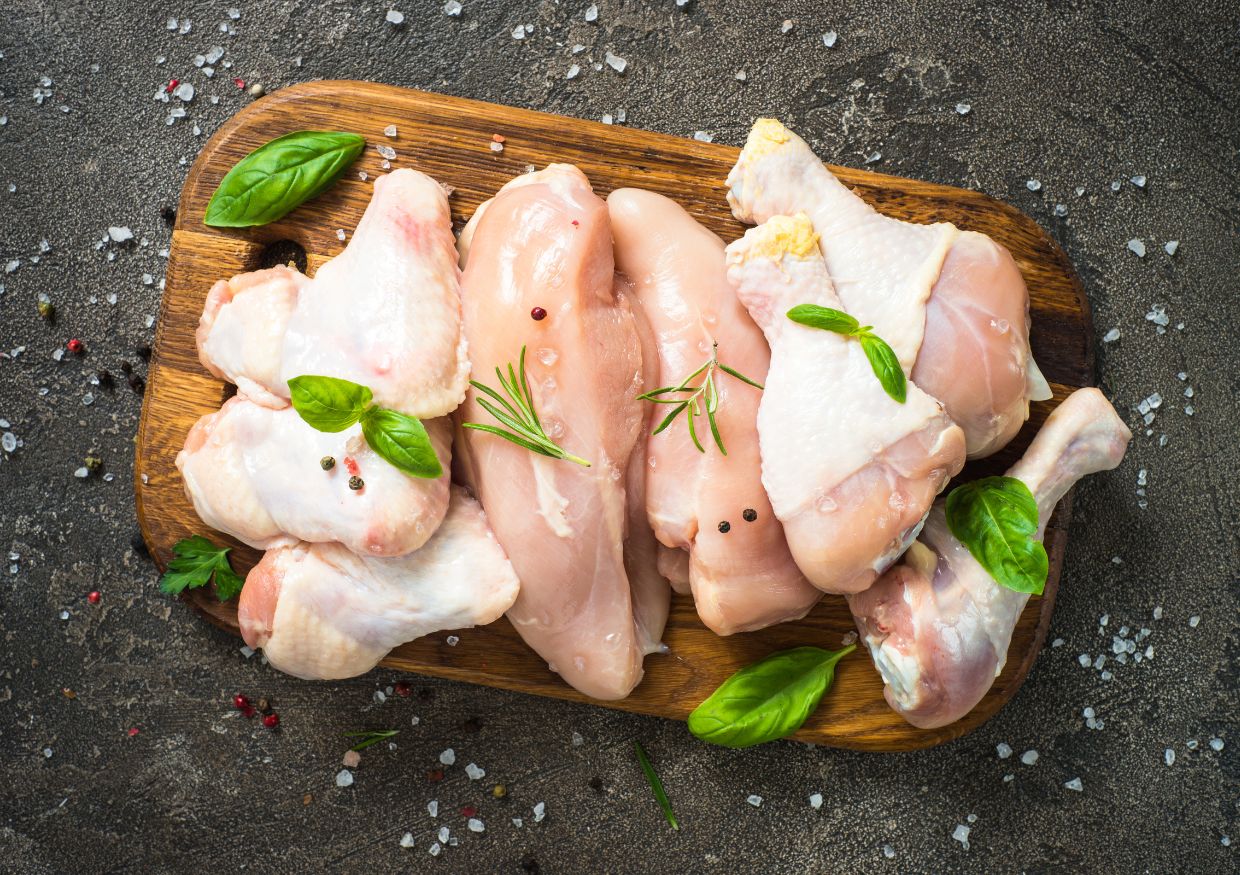
Chicken remains one of the most popular proteins because it’s lean, affordable, and highly digestible.
It contains:
- High-quality protein
- Vitamin B6
- Niacin
- Phosphorus
- Selenium
Chicken helps maintain lean muscle while providing plenty of energy.
Pros
- Lean protein
- Easy to cook
- Widely available
- Usually well tolerated
Cons
- One of the more common food allergies
- Skin contains more fat than breast meat
Homemade Chicken Recipe Ideas
Turkey for Dogs
Best For
- Senior dogs
- Weight management
- Lean homemade meals
Nutritional Benefits
Turkey offers many of the same benefits as chicken but is naturally lower in fat when lean cuts are used.
Turkey provides:
- Lean protein
- Selenium
- Zinc
- Vitamin B6
- Phosphorus
Pros
- Lower fat
- Supports muscle maintenance
- Excellent for calorie-conscious diets
Cons
- White meat can become dry if overcooked
- Avoid seasoned or processed turkey
Homemade Turkey Recipe Ideas
Duck for Dogs
Best For
- Dogs with food sensitivities
- Active dogs needing more calories
- Protein rotation
Nutritional Benefits
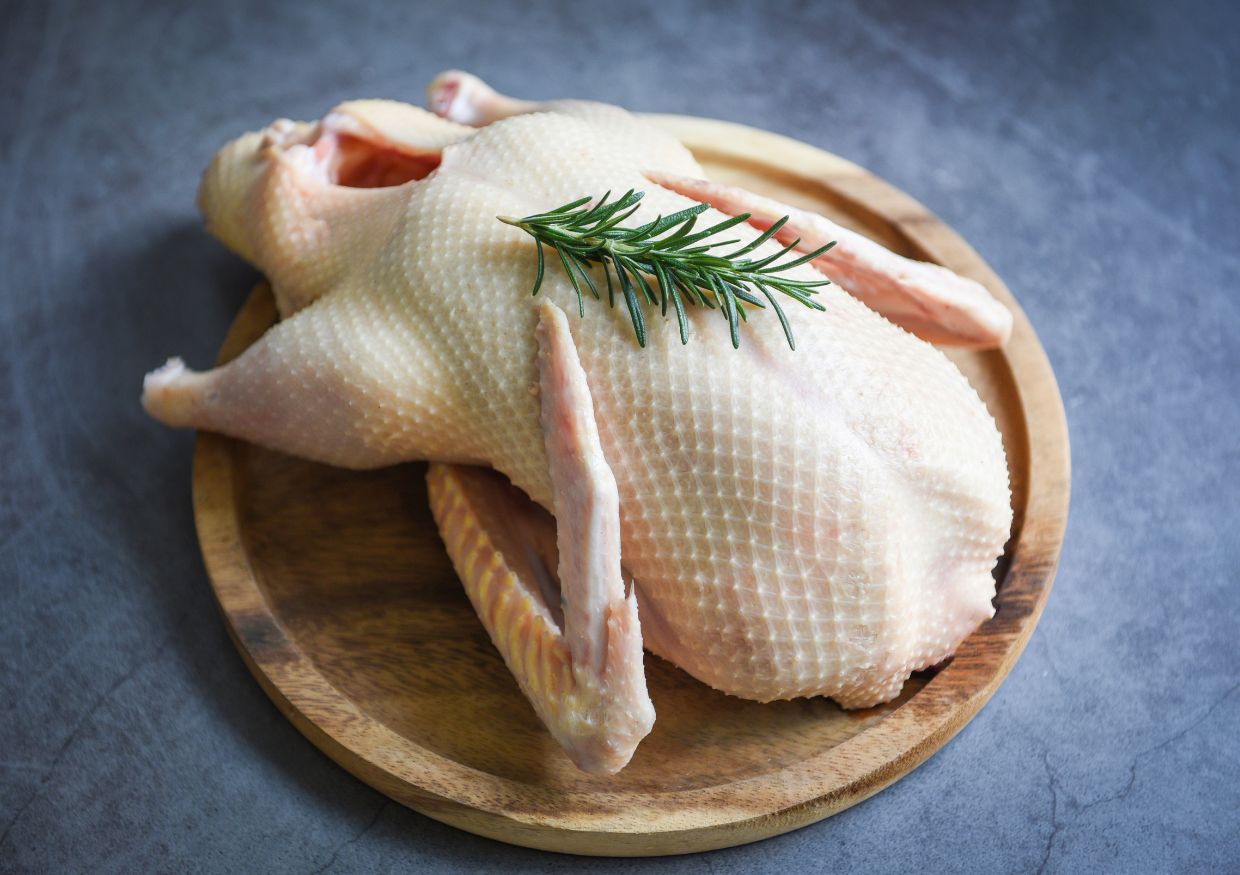
Duck is a complete animal protein that’s rich in essential amino acids, healthy fats, and important vitamins and minerals. Because it isn’t as commonly fed as chicken or beef, it can be a good alternative for dogs that don’t tolerate more common proteins.
Duck provides:
- High-quality protein
- Iron
- Zinc
- Selenium
- B vitamins, including niacin and vitamin B12
- Healthy fats that support skin and coat health
Pros
- Highly palatable for picky eaters
- Rich in iron and B vitamins
- Good source of energy for active dogs
- Can be a useful alternative protein for some dogs with sensitivities
Cons
- Higher in fat than chicken or turkey
- Usually more expensive than other meats
- Remove excess skin if a lower-fat meal is needed
- Always cook thoroughly and never feed cooked bones
Homemade Duck Recipe Ideas
- Duck Bone Broth
- Duck & Pumpkin Dog Food
- Duck Meatballs
- Duck Training Treats
Pork for Dogs
Best For
- Dogs needing a protein rotation
- Dogs that enjoy richer meats
- Homemade meals using lean cuts
Nutritional Benefits
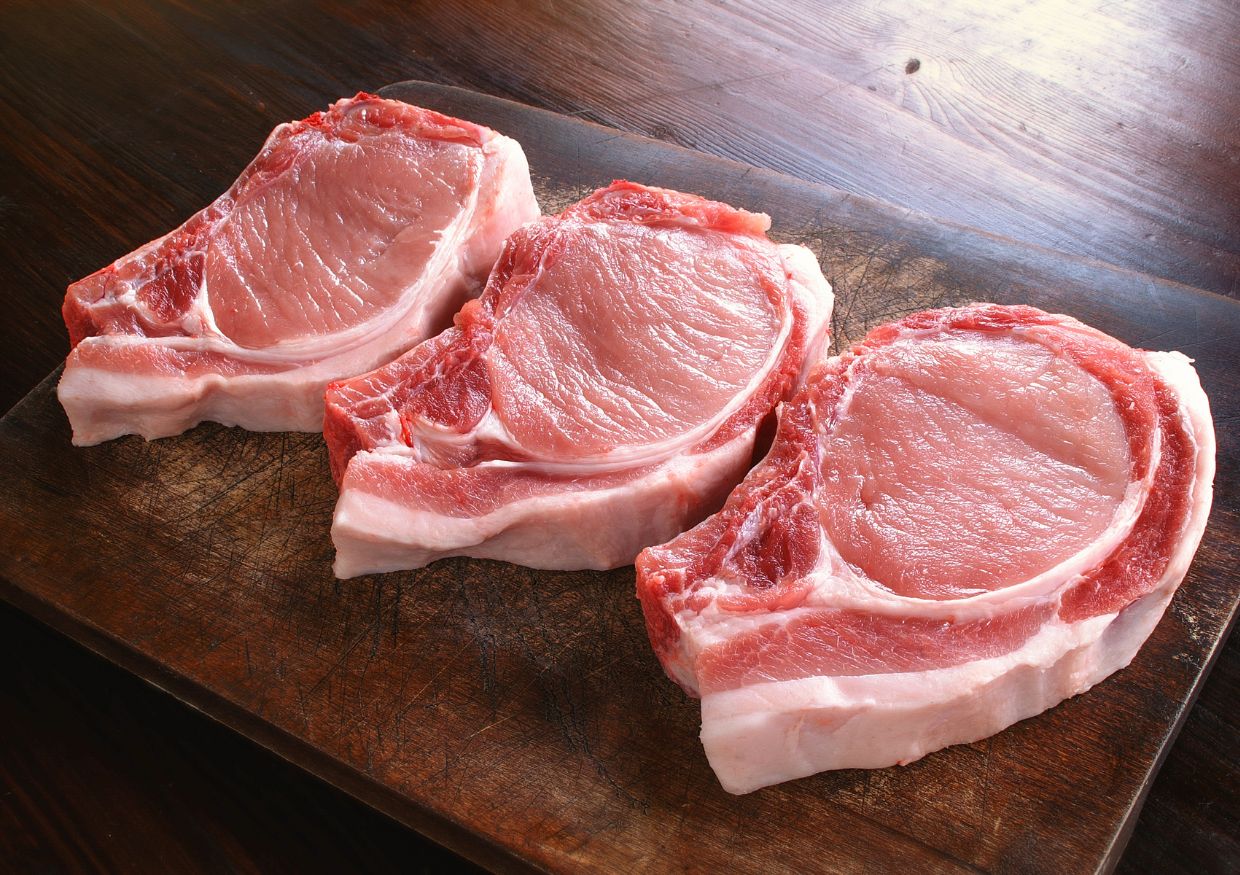
Pork is a high-quality complete protein that provides essential amino acids along with several important vitamins and minerals.
It is a good source of:
- Thiamine (Vitamin B1)
- Protein
- Zinc
- Phosphorus
- Selenium
- Vitamin B12
Lean cuts, such as pork loin or tenderloin, can be an excellent addition to a balanced homemade diet.
Pros
- Highly palatable for many dogs
- Rich in B vitamins, especially thiamine
- Good source of complete protein
- Easy to cook and widely available
Cons
- Some cuts are naturally high in fat
- Avoid processed pork products like bacon, ham, sausages, and seasoned meats
- Always cook thoroughly and never feed cooked bones
Homemade Pork Recipe Ideas
- Pork Vegetable Dog Dinner
- Pork & Sweet Potato Dog Food
- Pork Meatballs
- Pork Liver Dog Treats
Fish for Dogs
Best For
- Skin allergies
- Shiny coats
- Senior dogs
- Brain health
Nutritional Benefits
Fish stands out because it’s naturally rich in omega-3 fatty acids.
These healthy fats help support:
- Healthy skin
- Shiny coat
- Joint health
- Brain function
- Heart health
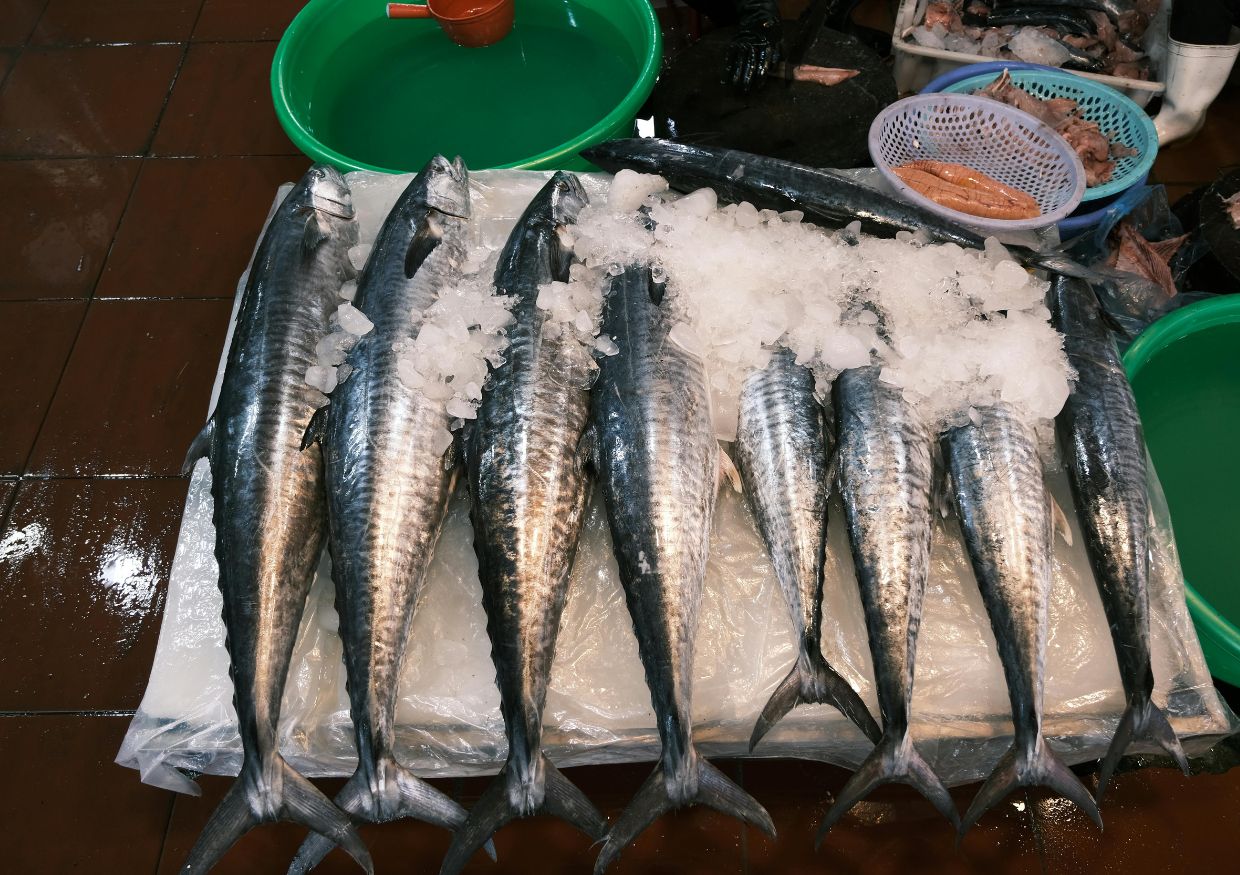
Popular fish include salmon, sardines, mackerel, cod, and white fish.
Pros
- Rich in EPA and DHA
- Anti-inflammatory properties
- Excellent for skin problems
Cons
- Some species are higher in mercury
- Fresh fish should always be cooked unless feeding an appropriately balanced raw diet
Homemade Fish Recipe Ideas
- Salmon Dog Food
- Sardine Dog Treats
- Salmon Bone Broth Gummies
- Frozen Salmon Treats
Lamb for Dogs
Best For
- Dogs with food sensitivities
- Rotation diets
- Dogs needing a richer protein
Nutritional Benefits
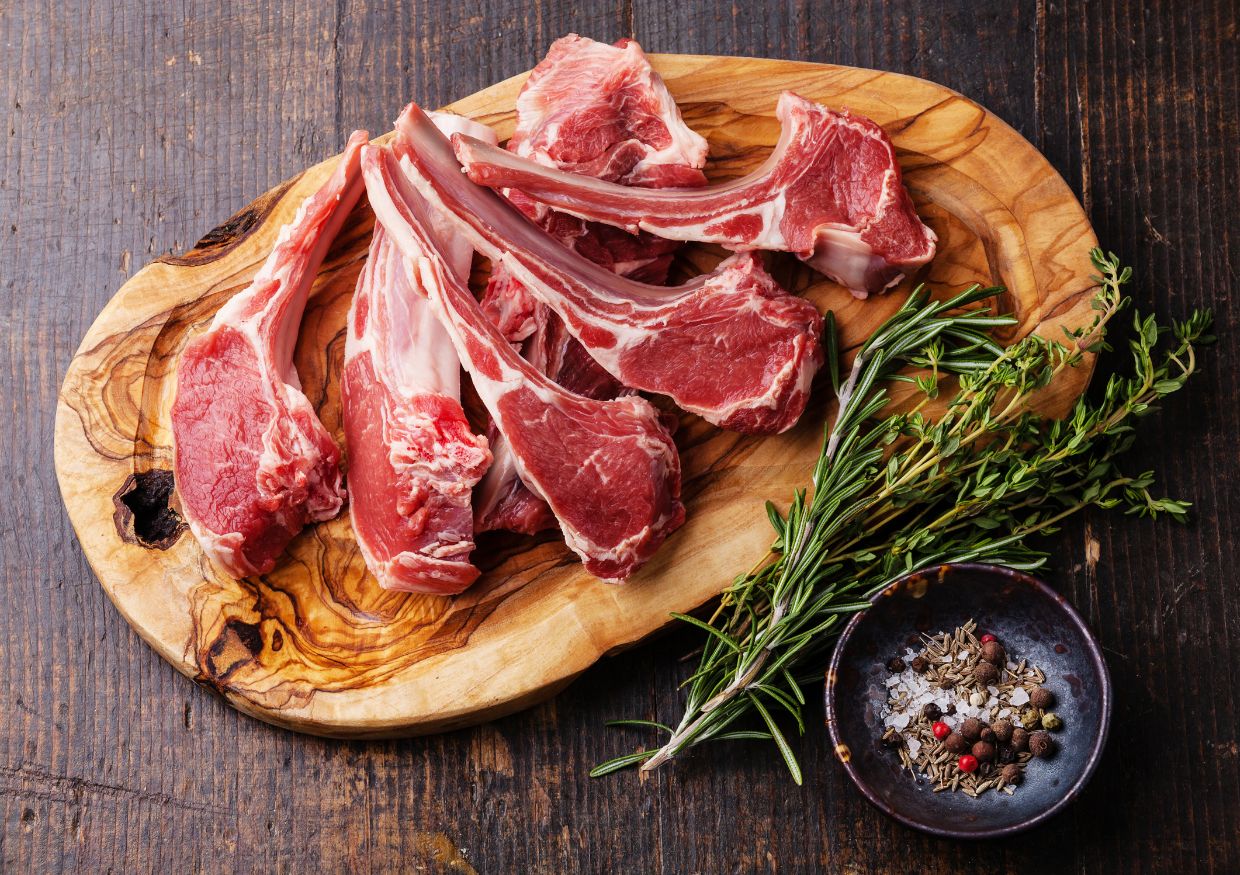
Lamb is packed with:
- Complete protein
- Iron
- Zinc
- Vitamin B12
- Healthy fats
Because many dogs eat chicken or beef regularly, lamb is often considered a “novel protein” for dogs that haven’t been exposed to it before.
Pros
- Highly palatable
- Rich in nutrients
- Often suitable for elimination diets under veterinary supervision
Cons
- Higher fat than turkey or chicken
- Usually more expensive
Homemade Lamb Recipe Ideas
How to Choose the Right Protein for Your Dog
- Check for allergies first. If your dog has itchy skin, ear infections, or digestive upset, a novel protein like turkey or fish may help identify or avoid an allergen.
- Match protein to activity level. Highly active or working dogs benefit from calorie-dense proteins like beef or lamb, while less active dogs may do better with leaner options like chicken or turkey.
- Consider life stage. Puppies and pregnant or nursing dogs need higher-quality, easily digestible protein; senior dogs often benefit from lean options that support muscle mass without excess fat.
- Rotate proteins when appropriate. Introducing variety (with veterinary guidance) can reduce the risk of developing new sensitivities over time.
- Consult your veterinarian. Especially for dogs with existing health conditions like pancreatitis, kidney disease, or food allergies, a vet or veterinary nutritionist can help tailor the right protein choice.
Which Protein Is Best for Puppies?
Growing puppies need high-quality protein to support rapid development.
Excellent choices include:
- Chicken
- Turkey
- Beef
- Fish (in moderation)
Choose recipes formulated for puppies or speak with your veterinarian before making homemade meals a regular part of a puppy’s diet.
Which Protein Is Best for Senior Dogs?
Senior dogs often benefit from:
- Lean turkey
- Chicken breast
- Fish rich in omega-3s
These proteins provide excellent nutrition without unnecessary calories while supporting joints, muscle maintenance, and cognitive health.
Which Protein Is Best for Dogs with Sensitive Stomachs?
Some dogs digest certain proteins more easily than others.
Often recommended options include:
- Turkey
- Fish
- Lamb (when used as a novel protein)
- Chicken (if well tolerated)
Every dog is different, so introducing new proteins gradually is always the safest approach.
Can Dogs Eat More Than One Protein?
Absolutely.
Rotating proteins can:
- Increase dietary variety
- Provide a wider range of nutrients
- Help prevent boredom
- Reduce reliance on a single ingredient
If your dog has food allergies or is on an elimination diet, consult your veterinarian before introducing new proteins.
Tips for Feeding Homemade Protein Safely
- Cook meat thoroughly unless following a properly balanced raw diet.
- Remove cooked bones before serving.
- Avoid onions, excessive salt, and seasonings.
- Introduce new proteins gradually over 5–7 days.
- Feed complete and balanced recipes for long-term nutrition.
FAQs
There’s no single “healthiest” protein for every dog — it depends on individual health needs. Chicken and turkey are lean, easily digestible options, while fish offers unique omega-3 benefits for skin and joints.
Beef isn’t inherently bad, but it is one of the most common food allergens in dogs and tends to be higher in fat, which may not suit dogs prone to pancreatitis or obesity.
Novel proteins like turkey, fish, or duck are often recommended for dogs with suspected food allergies, since they’re less commonly used and less likely to have triggered a prior sensitivity.
Yes, many dogs do well with rotational diets that include multiple protein sources, which can also help prevent the development of new allergies over time.
Yes, in moderation. Pork must always be fully cooked to eliminate parasite risk, and fatty or processed pork products like bacon and sausage should be avoided due to their high fat and sodium content.
The Bottom Line
There’s no universally “best” protein for every dog — the right choice depends on your dog’s age, activity level, allergies, and overall health. Chicken and turkey offer lean, digestible options for everyday feeding, beef and lamb provide calorie-dense fuel for active dogs, and fish brings unique omega-3 benefits for skin, coat, and joint health. When in doubt, talk to your veterinarian about which protein source best fits your dog’s individual needs.
Browse our collection of homemade dog food recipes to find healthy meals featuring beef, chicken, turkey, fish, and lamb, and discover which proteins your dog enjoys most.