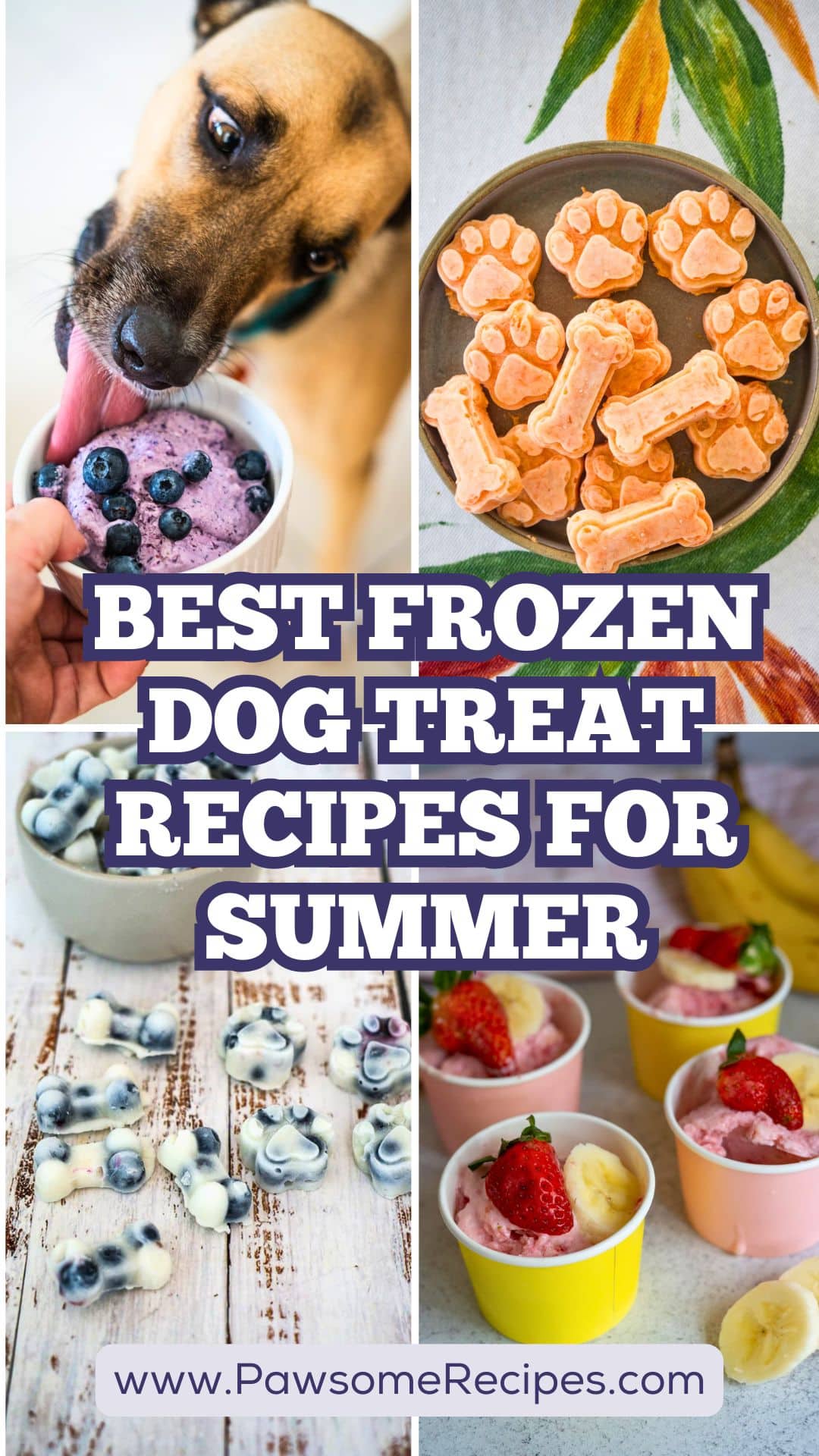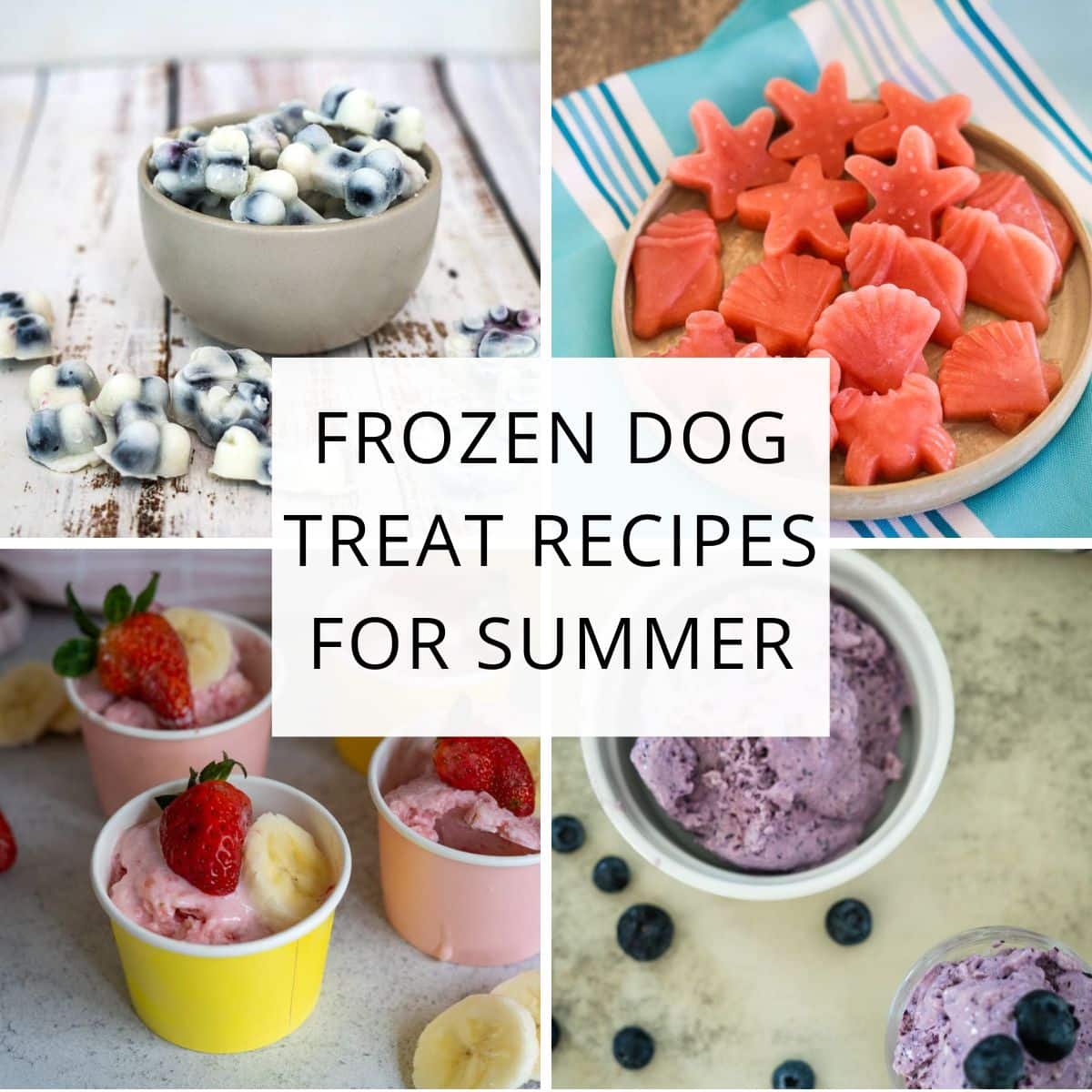
Best Frozen Dog Treat Recipes for Summer
When the summer heat arrives, frozen dog treats are one of the easiest and healthiest ways to help your dog stay cool and hydrated. These homemade frozen dog treats are packed with dog-safe ingredients, making them a refreshing snack for hot days.
Not only are frozen treats delicious, but they can also provide enrichment and mental stimulation for dogs of all ages. Whether you are looking for fruity pupsicles, creamy dog ice cream recipes, or cooling yogurt treats, there are plenty of easy options your pup will love.
Frozen treats can also be especially helpful after walks, playtime in the garden, or trips to the park during warmer weather. Many dogs enjoy licking or chewing frozen snacks because they help cool them down while providing a fun activity at the same time.
In this collection of frozen dog treats for summer, you’ll find a variety of easy homemade recipes including fruity frozen treats, creamy yogurt bites, savory frozen treats and refreshing dog ice cream ideas. These cooling treats are simple to prepare and perfect for keeping your pup happy all summer long.
This post may contain affiliate links. Please read my disclosure policy for more information.
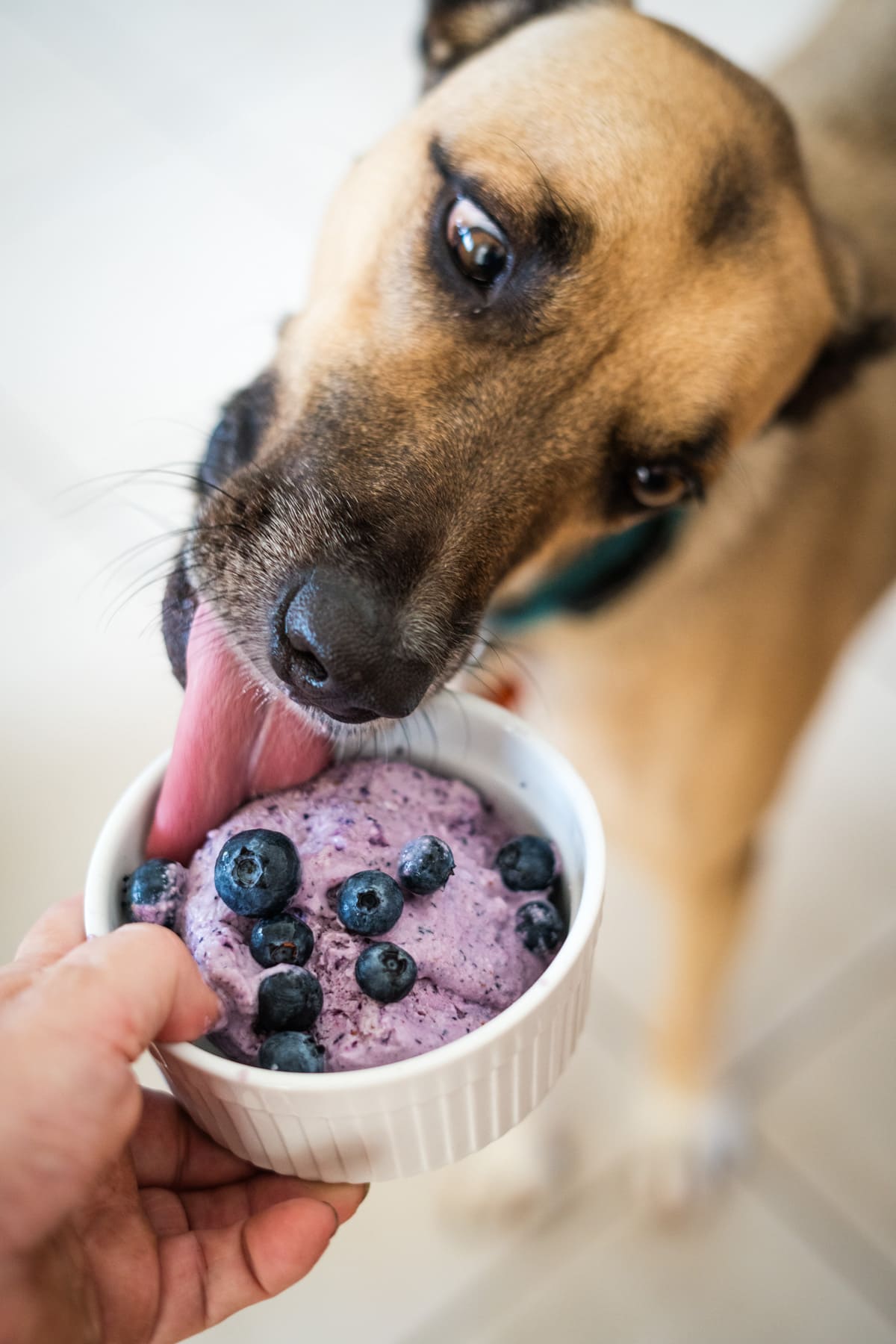
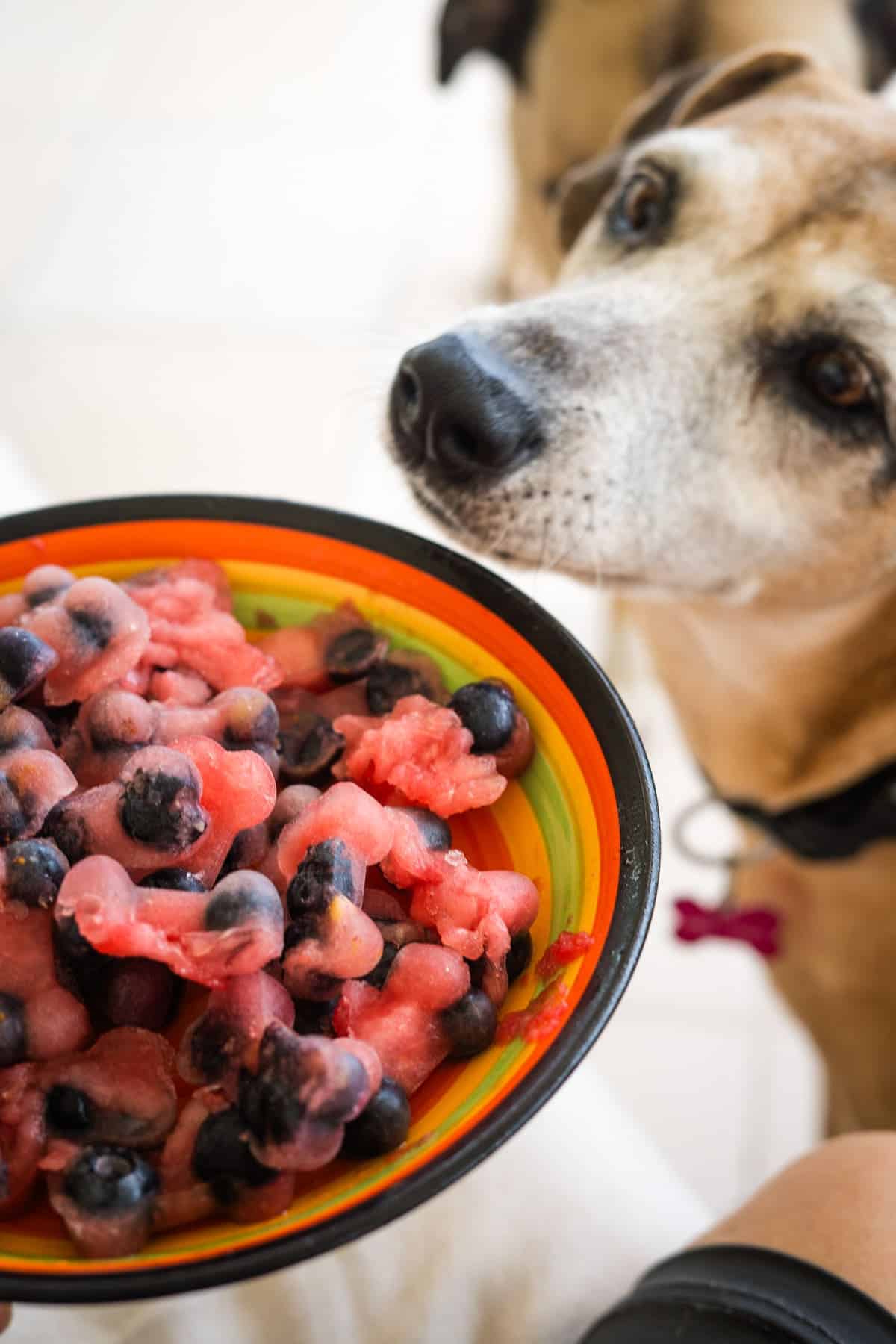
Frozen Fruit Dog Treats
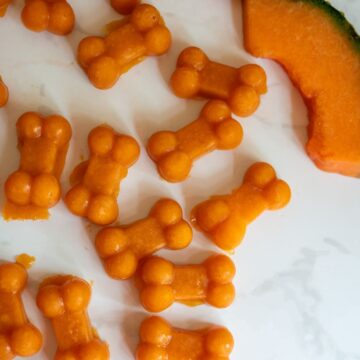
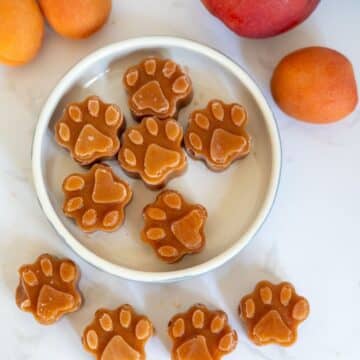
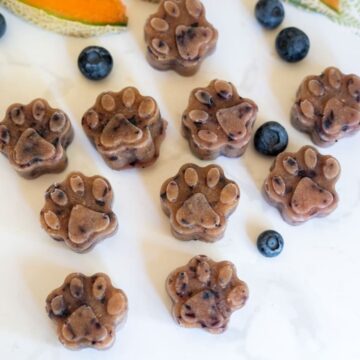
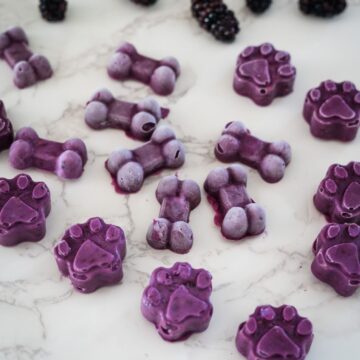
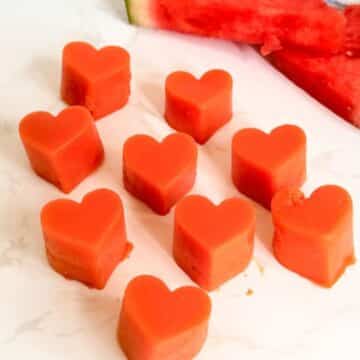
Frozen fruit dog treats are a simple, healthy way to keep your dog cool and refreshed in summer using naturally sweet, dog-safe fruits like watermelon, blueberries, and banana.





Frozen Yogurt Dog Treats
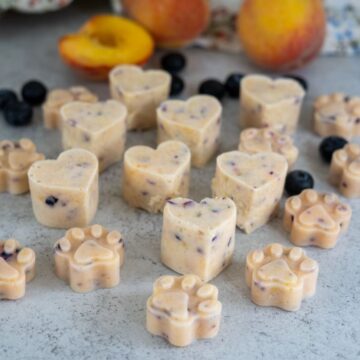
Frozen yogurt dog treats are a creamy, cooling snack made with dog-safe yogurt and simple ingredients, perfect for a refreshing summer treat.


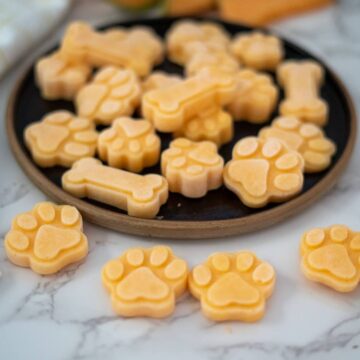
Savory Frozen Dog Treats
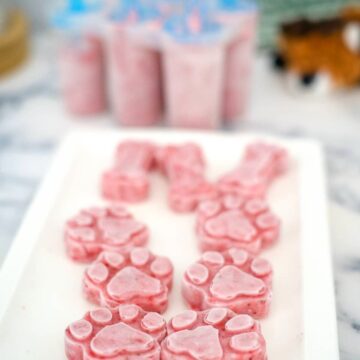
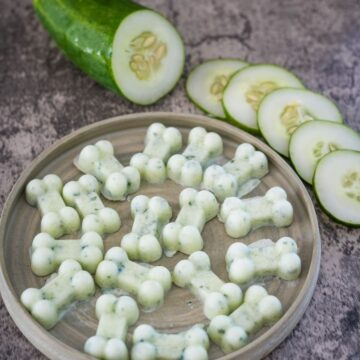
Savory frozen dog treats are a refreshing alternative to sweet recipes, made with ingredients like fish or meat to give your dog a cooling, protein-rich summer snack.
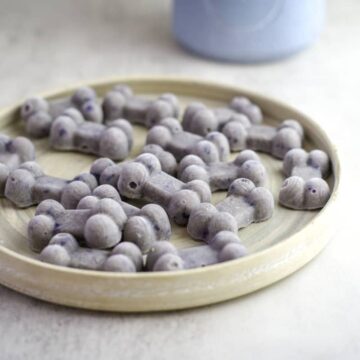


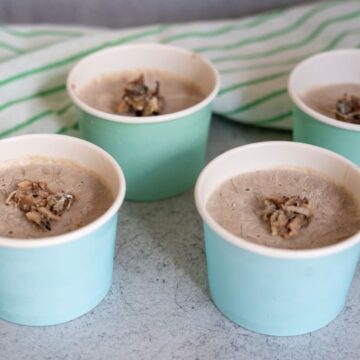
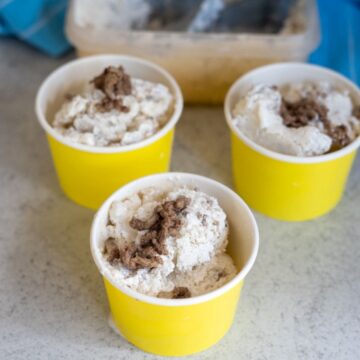
Dog Ice Cream Recipes
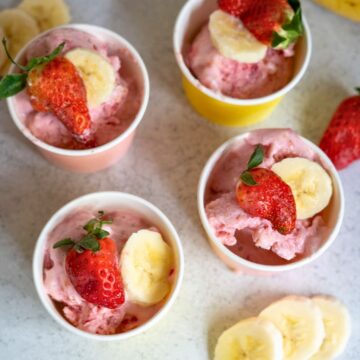
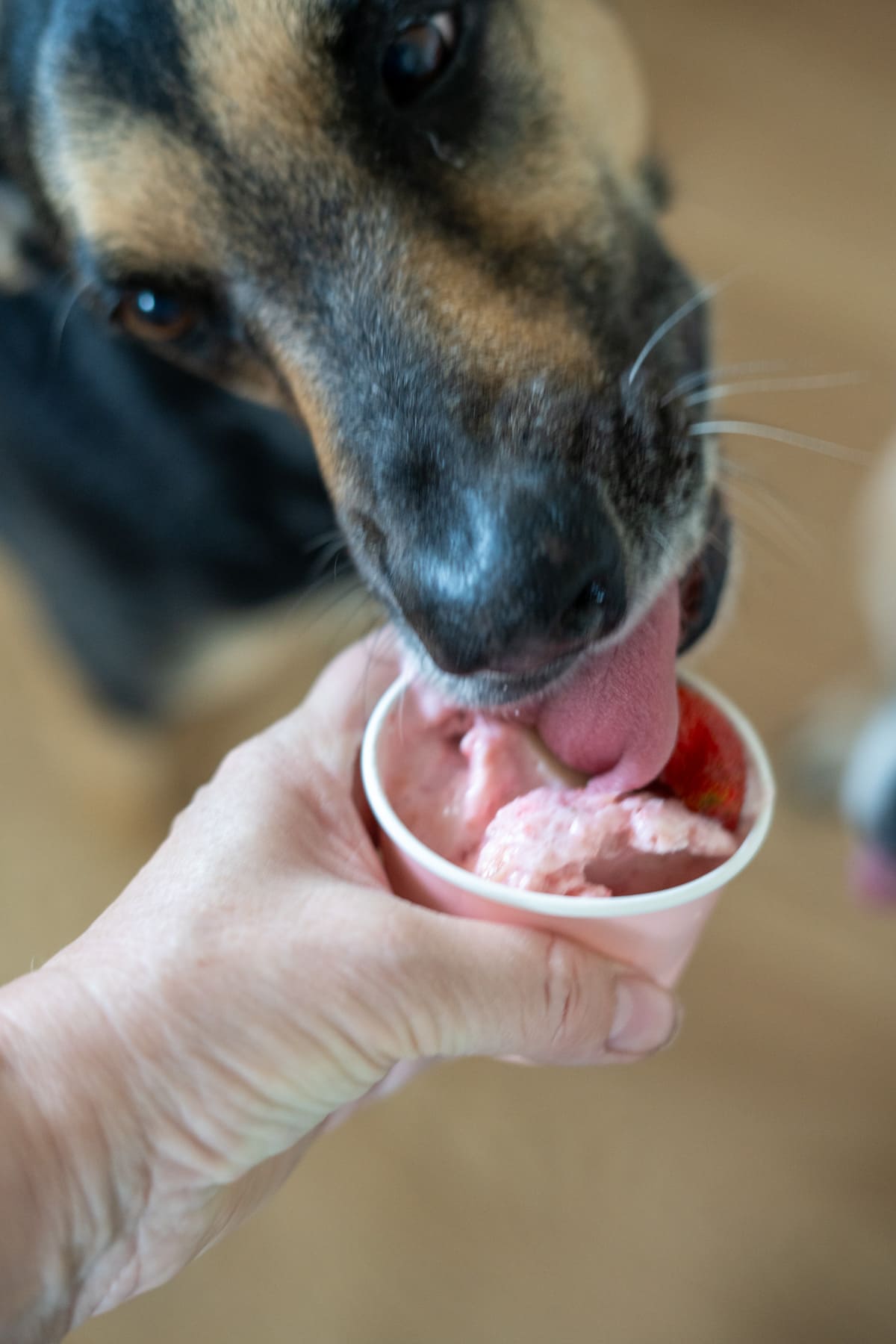
Dog ice cream is a fun, creamy frozen treat made with dog-safe ingredients like yogurt, banana, or peanut butter, designed to cool your dog down while giving them a delicious summer snack.


Tips for Serving Frozen Treats
Frozen dog treats are a fun and refreshing way to help your dog stay cool, but a few simple tips will make them safer and more enjoyable.
- Start with small portions – If your dog is new to frozen treats, begin with a small amount to see how they tolerate the texture and temperature. Smaller portions are especially important for puppies and small breeds.
- Serve at the right time – Frozen treats are best given after exercise, walks, or playtime in warm weather. They help your dog cool down gradually and can double as a calming, enrichment activity.
- Supervise while eating – Always watch your dog while they enjoy frozen treats, especially if using harder molds or larger pieces. This helps prevent choking or gulping.
- Adjust for your dog’s size – Use smaller molds or break larger frozen treats into pieces for toy and small breeds, while larger dogs can handle bigger portions.
- Don’t overdo it – Frozen treats should be an occasional snack, not a meal replacement. Keep treats to around 10% of your dog’s daily calorie intake.
- Let them soften slightly if needed – If a treat is too hard straight from the freezer, let it sit for a few minutes before serving to make it easier on your dog’s teeth.
- Store properly – Keep frozen treats in an airtight container in the freezer to prevent freezer burn and maintain freshness for up to 2 months.
- Always use dog-safe ingredients – double-check all ingredients, especially peanut butter (must be xylitol-free), yogurts, and any added fruits or flavorings.
Storage Instructions
Proper storage helps keep your homemade frozen dog treats fresh, safe, and tasty for longer.
Freeze in airtight containers
Once fully frozen, transfer treats into an airtight container or freezer-safe bag. This helps prevent freezer burn and keeps flavours fresh.
Label and date your treats
Always label containers with the recipe name and date made. Most frozen dog treats stay best when used within 4–8 weeks.
Use freezer-safe moulds
If you’re storing treats still in silicone moulds, make sure they are freezer-safe and covered to prevent them absorbing freezer odours.
Keep portions separate
Store treats in single portions where possible so you can grab one at a time without thawing the whole batch.
Avoid refreezing thawed treats
If a treat has thawed, do not refreeze it. This can affect texture and increase the risk of bacterial growth.
Check for freezer burn
If treats develop ice crystals or a dry, discoloured surface, they are still safe in most cases but may be less palatable for your dog.
Storage time guide
- Best quality: within 4–6 weeks
- Maximum freezer storage: up to 2 months
Keep freezer organised
Store dog treats in a clearly labelled section of your freezer so they don’t get mixed with human food or forgotten at the back.
Frequently Asked Questions About Frozen Dog Treats
Yes, frozen treats can be a great option for dogs during warm weather. They can help cool your dog down, encourage hydration, and provide mental enrichment. Homemade frozen dog treats made with dog-safe ingredients like yogurt, banana, watermelon, pumpkin, and blueberries can be a healthy occasional snack.
Frozen treats are best served in moderation as part of a balanced diet. Small frozen treats can usually be enjoyed daily for most healthy dogs, but portion sizes should be adjusted based on your dog’s size, age, and activity level. Treats should generally make up no more than 10% of your dog’s daily calorie intake.
Many fresh ingredients work well in frozen dog treats, including:
Plain unsweetened yogurt
Peanut butter without xylitol
Banana
Watermelon
Blueberries
Strawberries
Pumpkin puree
Apples
Carrots
Always avoid toxic ingredients such as chocolate, grapes, raisins, macadamia nuts, and anything containing xylitol.
Plain unsweetened yogurt is safe for many dogs and is commonly used in frozen dog treat recipes. Yogurt can provide calcium and probiotics, but some dogs may be sensitive to dairy. If your dog has a sensitive stomach, try using lactose-free yogurt or introducing small amounts first.
Yes, puppies can enjoy frozen treats as long as the ingredients are puppy-safe and the treats are appropriately sized. Frozen treats may also help soothe teething discomfort. Always supervise puppies while eating frozen snacks and avoid overly hard treats for very young puppies.
Most homemade frozen dog treats can be stored in an airtight container in the freezer for up to 2 months. For the best texture and freshness, serve within a few weeks.
Some of the best fruits for frozen dog treats include watermelon, blueberries, strawberries, bananas, mango, cantaloupe, and apples. These fruits are naturally sweet, hydrating, and easy to blend into frozen recipes.
Frozen treats can help dogs cool down temporarily during hot weather, especially after walks or outdoor play. However, they should be used alongside other cooling methods such as fresh water, shade, cooling mats, and avoiding exercise during the hottest parts of the day.
Frozen dog treats can be made using silicone molds, ice cube trays, popsicle molds, or small paper cups. Silicone paw and bone molds are especially popular because they make treats easy to remove once frozen.